

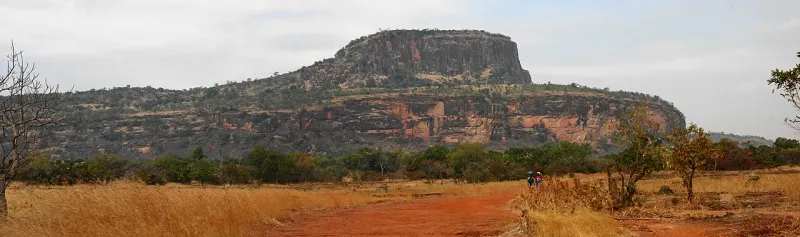
A 44-vehicle convoy, escorted by air assets including helicopters, took 1,557 West African nationals arrested for illegal gold mining to the Kourémalé border post, on the border between Guinea and Mali, this weekend. Tried and sentenced to between 18 months and two years in prison, they were pardoned by President Mamadi Doumbouya and then expelled from Guinean territory.
They include Malians and Burkinabe in particular. The authorities of both countries had sent officials to Kourémalé to receive their nationals. The Burkina Faso consulate in Conakry accompanied the convoy throughout the journey, and the operation was carried out in coordination with the diplomatic missions concerned.
A “sovereignty operation”, according to the army
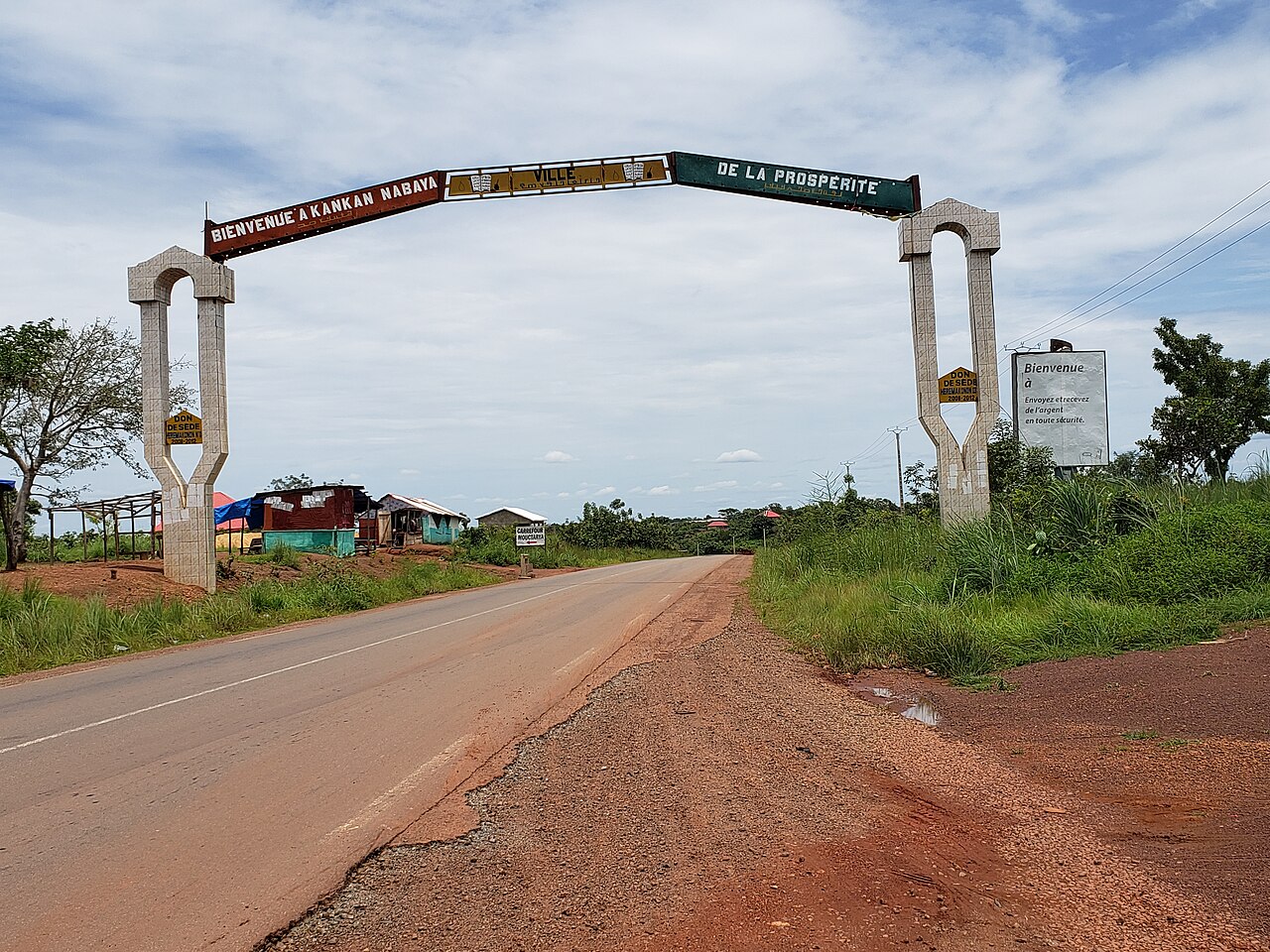
The armed forces' information and public relations directorate (DIRPA) described the transfer as a “sovereignty operation” and said the handover took place “in order and dignity, without chaos or excess”. The Ministry of National Defence also said the operation went ahead in an orderly and calm manner. No incident was reported during the handover to the Malian and Burkinabe authorities.
According to the army, those expelled expressed their gratitude for the act of clemency. Residents of Kourémalé also welcomed the outcome. The presidential pardon, combined with an expulsion order, ends the detention of these convicts but bars them from staying in Guinea.
A campaign launched in early November in the Siguiri region
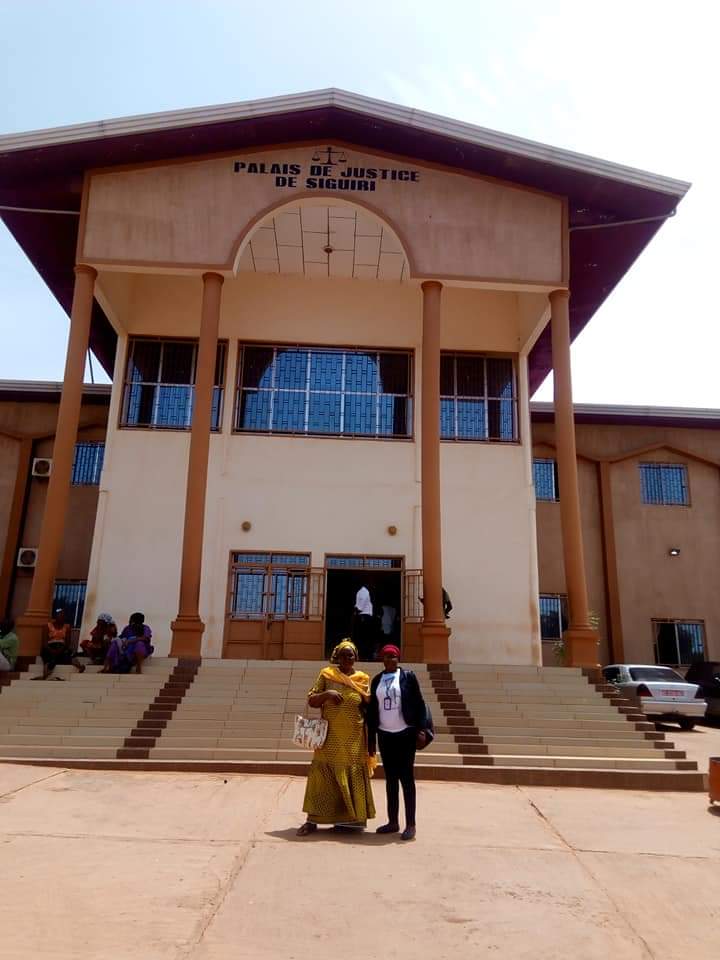
These expulsions are the direct result of the ban on gold mining in the “sensitive areas” of the Siguiri region, in Upper Guinea, decided at the beginning of November. The authorities justify the measure by the environmental damage caused by artisanal gold mining and say they want to end the “anarchic” exploitation of mineral resources. Defence and security forces have been permanently deployed on the sites concerned, in the name of a “zero tolerance” policy.
In a joint statement published on Saturday 7 November, the defence and security ministries reported 1,263 arrests. Those arrested — Guineans, but also Burkinabe, Malians, Togolese, Nigeriens and Ivorians — were transferred to Conakry. Other proceedings have since been opened, notably in Kankan, where 194 people were tried.
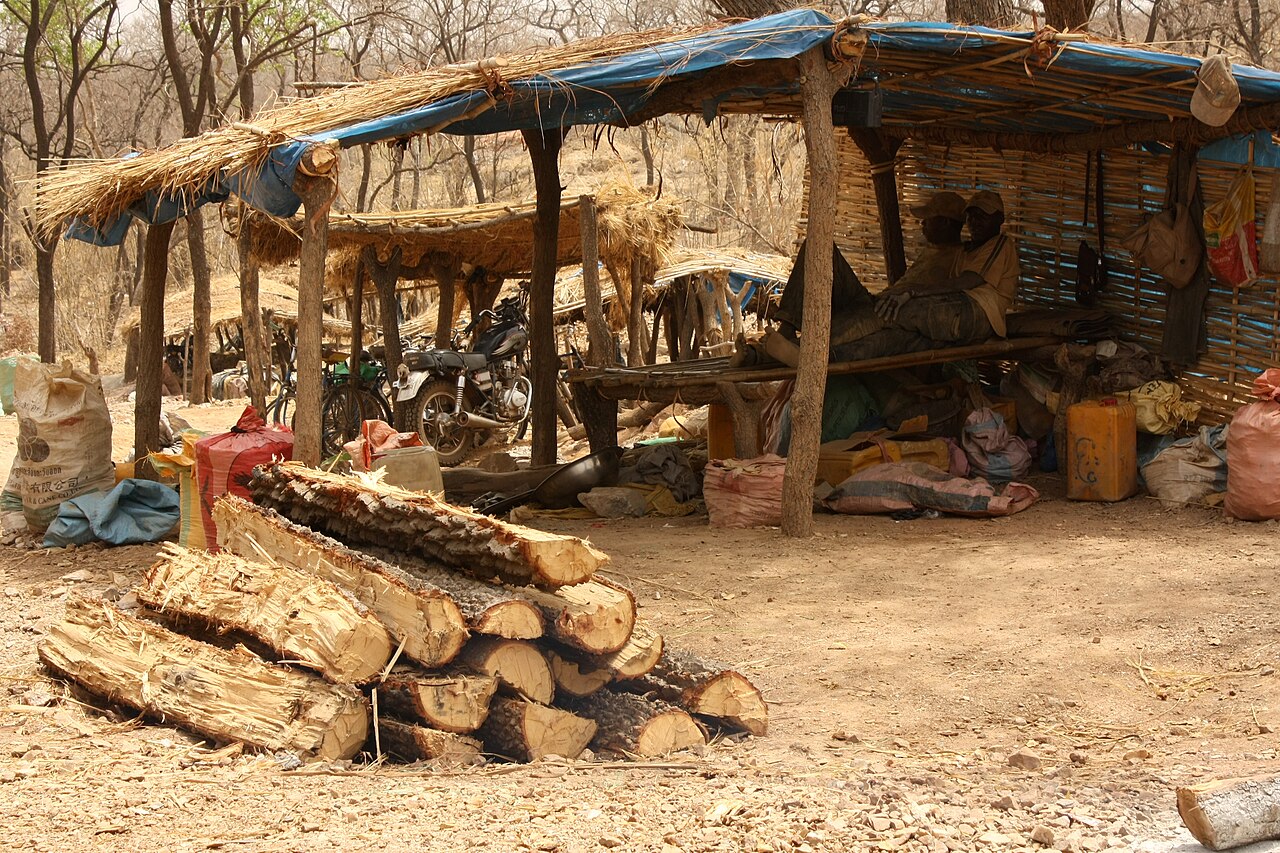
The operation has also seen violent episodes. On Wednesday 11 November, clashes between security forces and gold miners in the Balato and Kintinian area, in the Siguiri prefecture, left ten dead and thirteen injured, according to the government.
Tens of thousands of departures to Mali
Beyond those convicted, the closure of the sites has led to the departure of tens of thousands of workers from neighbouring countries. The Malian authorities say they have received around 160,000 people from Guinea since the start of the operation. The foreign ministers of the Alliance of Sahel States (AES), which brings together Mali, Burkina Faso and Niger, have deplored “massive and uncoordinated” expulsions.
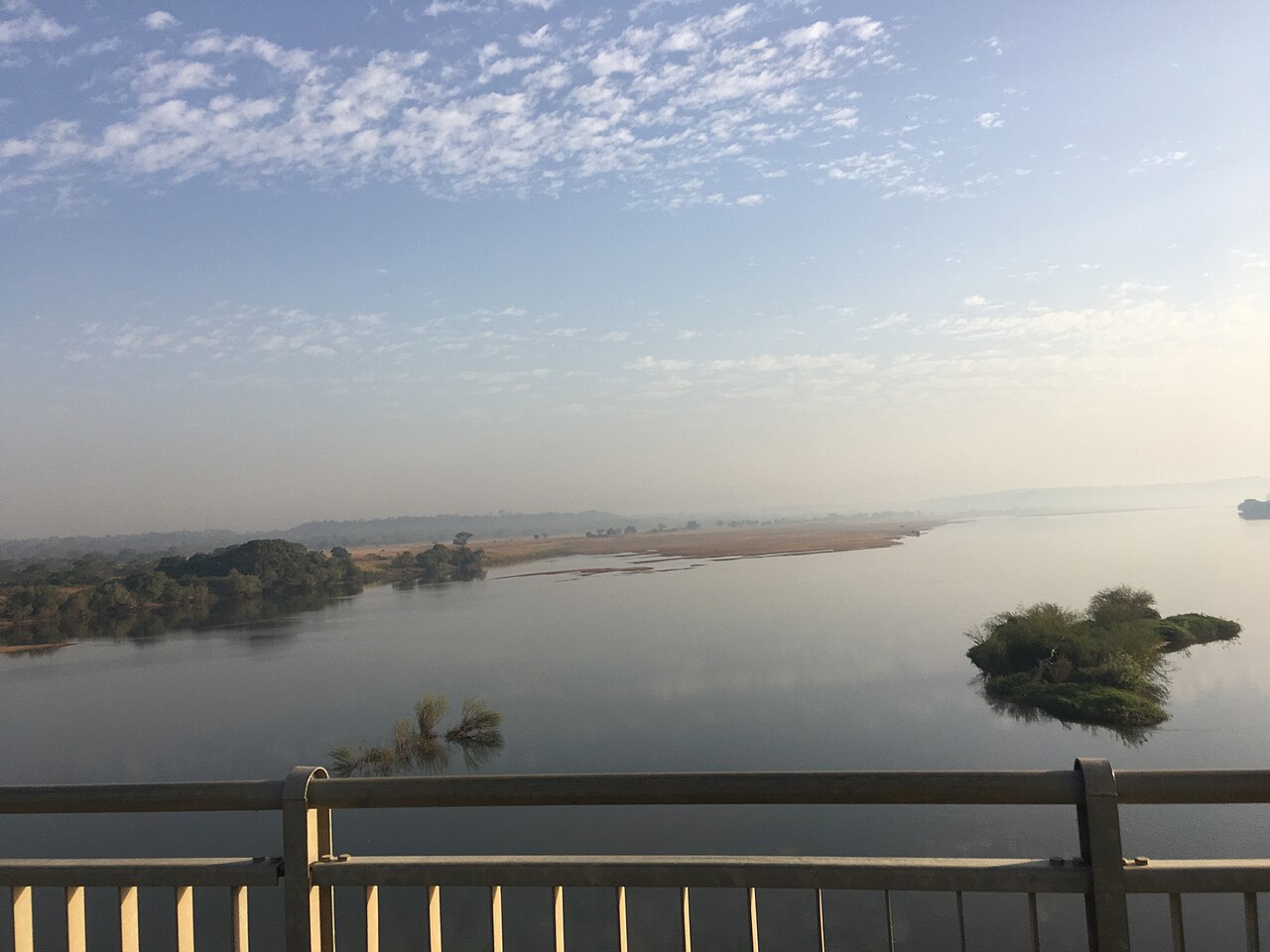
For many of these workers, gold mining is a survival activity, often chosen to escape the poverty or insecurity affecting Mali and Burkina Faso. In the Siguiri region, the activity also supports many Guinean families, including traders and transporters.
Domestically, the approach is contested. The Forces vives de Guinée collective, which brings together the main opposition parties and civil society organisations, on Saturday denounced an “authoritarian drift” and the use of force “made into a method of government”.
The Guinean authorities have not announced any timetable for a possible supervised reopening of the sites. The fate of Guinean gold miners deprived of income, the continuation of ongoing trials and the state of relations with the AES countries will be the main issues to watch in the coming weeks.
Comments
Loading comments…