

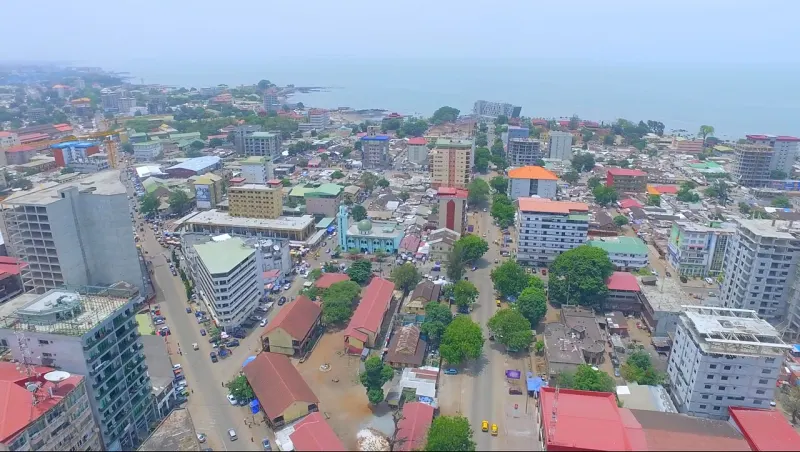
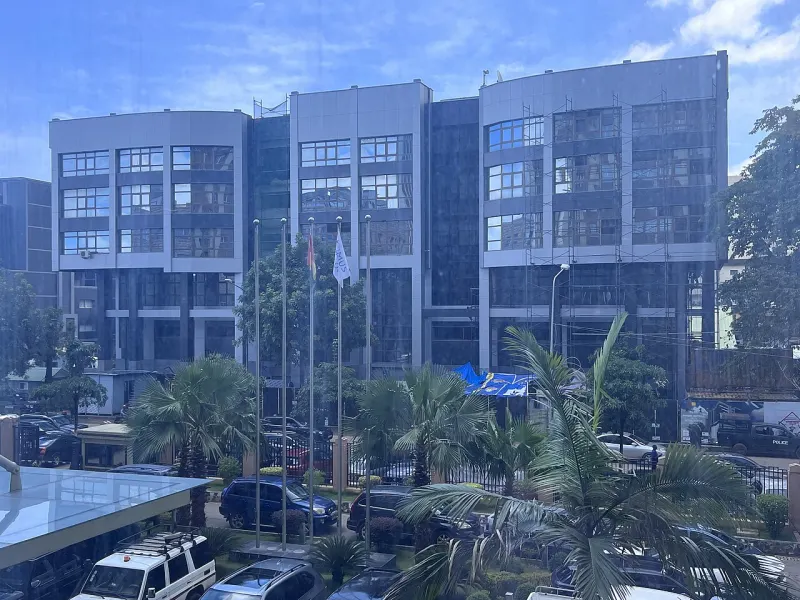
Guinea wants money from Simandou iron ore to transform its cities and networks as well. At the first Simandou Mining Summit, held in the capital from 11 to 13 November 2026, the government presented investors with a portfolio of four infrastructure projects worth a total of around $3.8 billion. According to the organisers, nearly 2,240 participants from 41 countries attended.
The four flagship projects are the Greater Conakry urban transport system, combining bus rapid transit (BRT) and heavy rail transit (HRT), the southern coastal road, and two solar photovoltaic plants with battery storage, one in Dabola and the other in Faranah. Mines and Geology Minister Bouna Sylla stressed that feasibility studies have already been carried out for these projects, an argument intended to reassure lenders who are often put off by projects still at the concept stage.
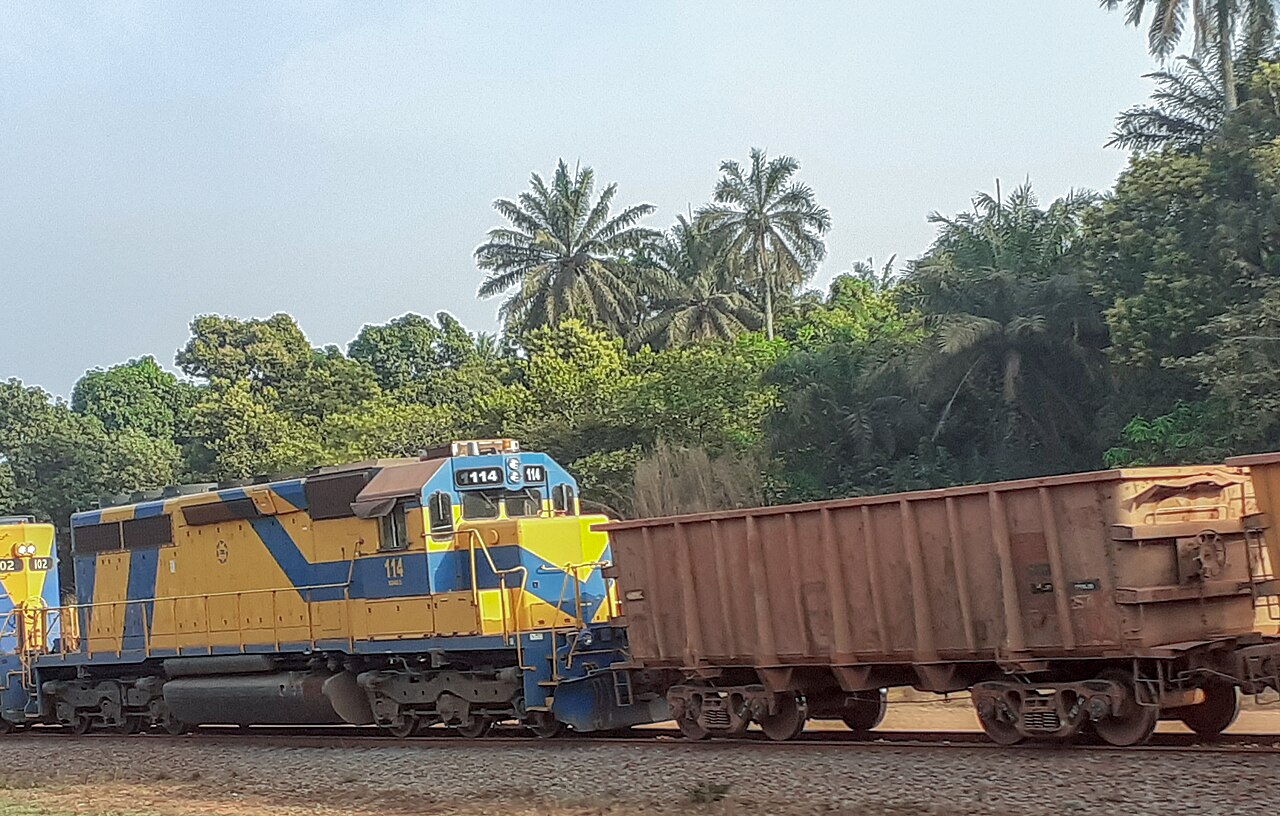
A 35 km railway between Kaloum and Kagbèlen
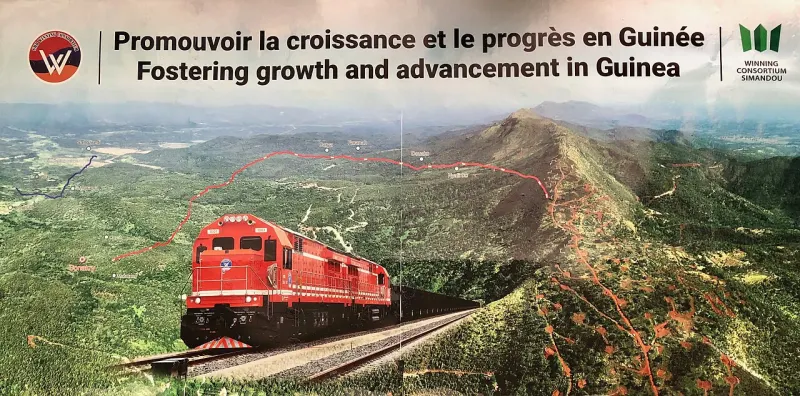
The most detailed project is the urban railway, led by the Ministry of Transport under the “Heavy Rail Transit” programme. Presented on the second day of the summit, in the area set aside for business meetings, it provides for a 35-kilometre line linking Kaloum, the administrative and business centre, with Kagbèlen on the outer outskirts. The capital cost is estimated at $693 million.
The line would have 15 stations, three of them directly connected to the bus rapid transit network. It would be double-tracked, passenger-only and free of level crossings, so as no longer to interrupt road traffic. A maintenance depot would be built in Simbaya and double-deck trains would be purchased to carry large numbers of passengers. Discussions with investors covered technical specifications, operations and financing, but no construction timetable was announced.
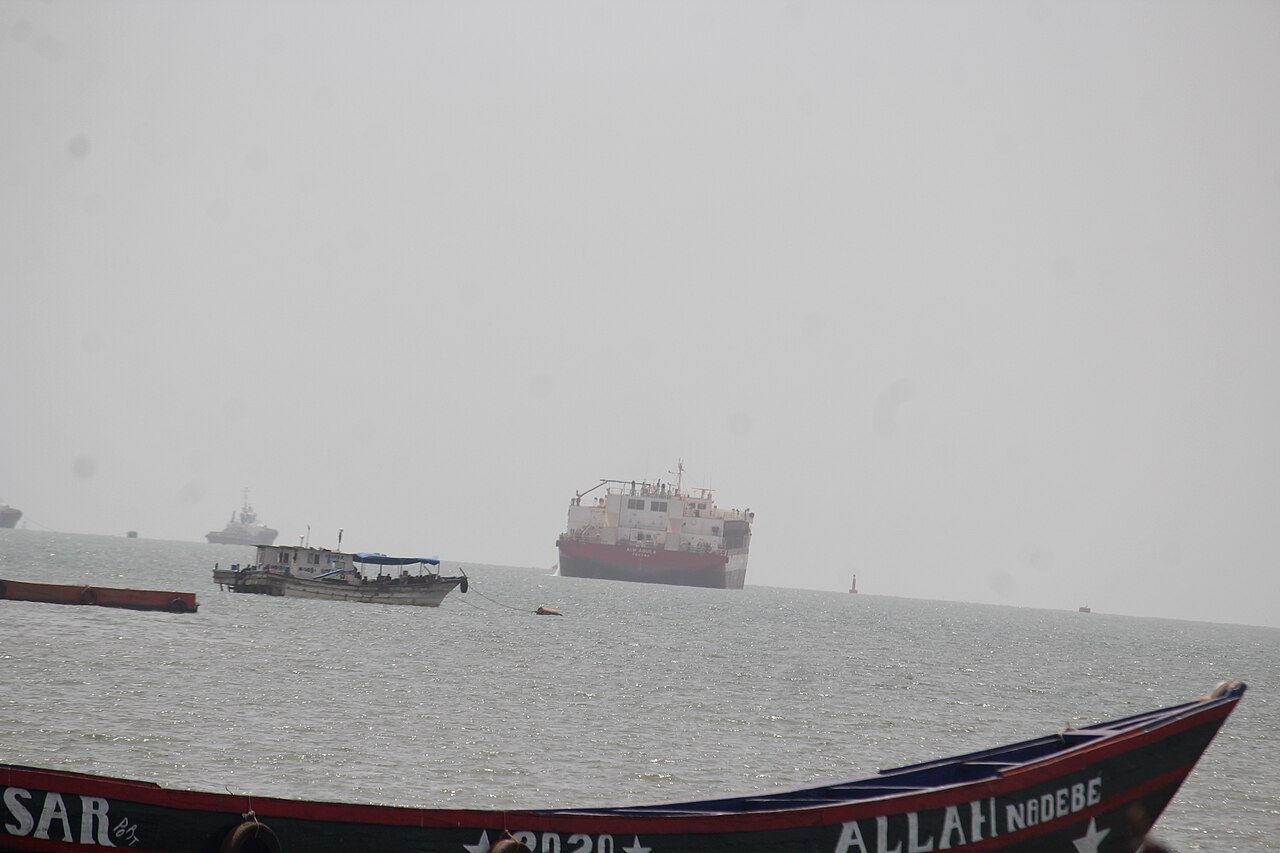
The stakes are considerable for a city where traffic jams on the roads linking the Kaloum peninsula to the suburbs are part of daily life. The capital's only passenger train, the Conakry Express, is currently almost at a standstill. In July, the government said it was considering a British financing offer to buy new rolling stock, rebuild the existing line and create a railway trades school.
Kamsar, the other major project
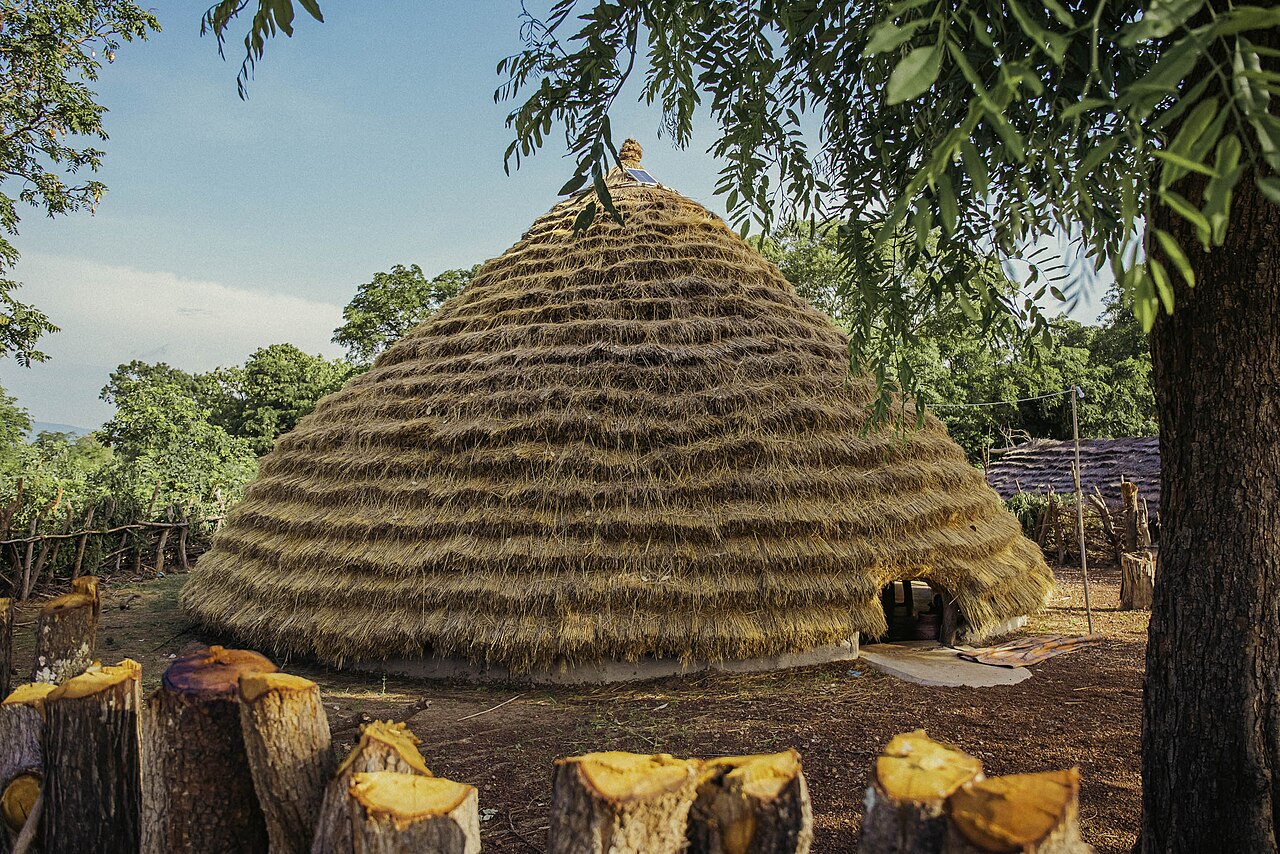
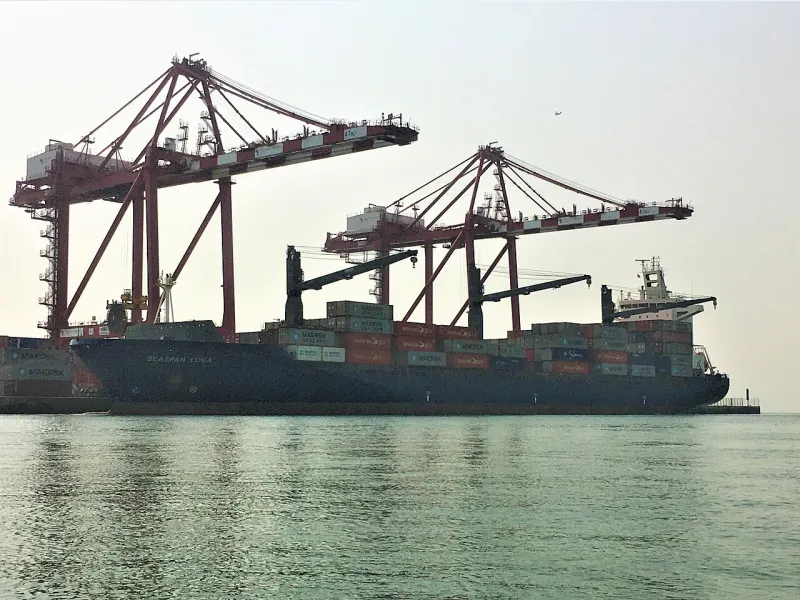
Alongside these four projects, the government promoted the Kamsar deep-water port in the Boké region, the main outlet for Guinean bauxite. Estimated by Bouna Sylla at around $1.9 billion, it would include a mineral terminal, a container terminal, an oil terminal and an industrial park. The feasibility and environmental and social impact studies are described as complete. A round table on the project brought together the World Bank, the African Development Bank, the Islamic Development Bank and international port operators.
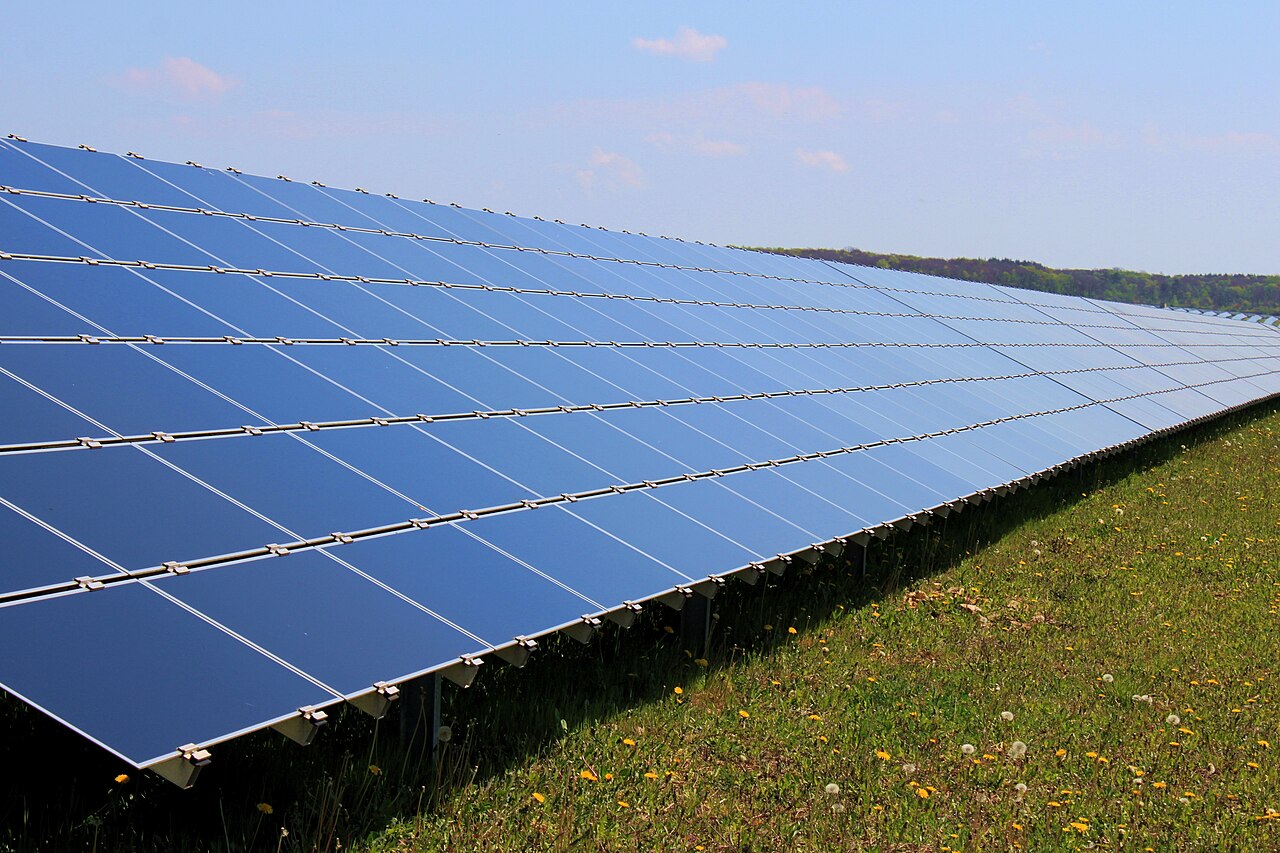
Several financial institutions and solar energy companies took part in the discussions, including the World Bank, the International Finance Corporation (IFC) and the Africa Finance Corporation. For the two plants in Dabola and Faranah, the stated aim is to add renewable power generation in the interior of the country, with battery storage intended to supply electricity after sunset.
Projects to be financed, not yet financed
The figures announced should, however, be treated with caution. These are projects presented to the market, not funding that has been definitively secured. The next steps are further studies, finalising financing arrangements and, eventually, investment decisions. The summit was run by the Simandou Strategic Committee, together with the Ministry of Mines, the Guinea Development Board and the Delivery Unit.
“Let everyone leave Conakry with a partner, a project and a clear next step,” said Djiba Diakité, minister and chief of staff to the presidency, who chairs the committee. The projects form part of the Simandou 2040 programme, through which the authorities aim to diversify an economy heavily dependent on mineral exports. The first tangible result of the meetings will be measured by the agreements that are, or are not, signed in the coming months.
Comments
Loading comments…