

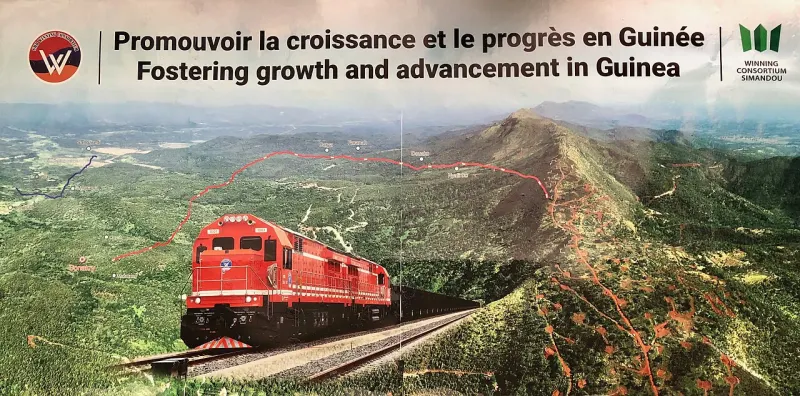
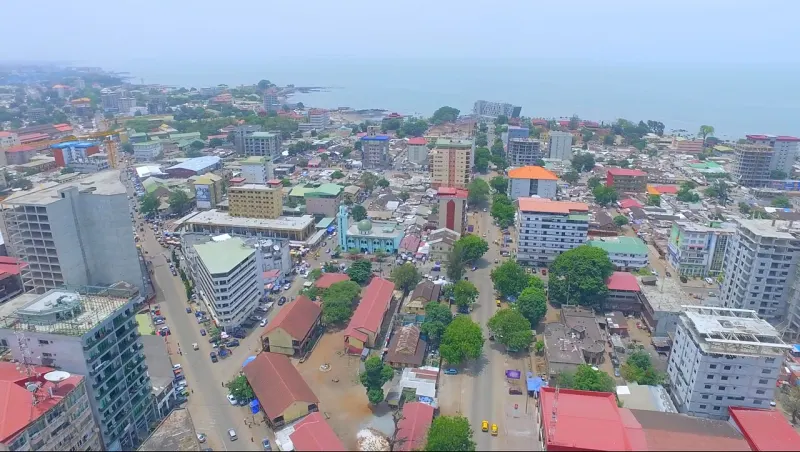
After the opening on Wednesday on Kassa island by President Mamadi Doumbouya, the Simandou Mining Summit continued on Thursday 12 November 2026 in Conakry. Before investors, donors and international institutions, the minister and chief of staff to the presidency, Djiba Diakité, presented the government's roadmap.
“The era of raw ore is over”
As chairman of the Simandou Strategic Committee, Djiba Diakité said Guinea no longer wanted to settle for exporting its ores without processing them. The State plans to build a large national group around the Société minière de Boké (SMB), active in bauxite, alumina, aluminium, gold and critical metals. However, no precise timetable has been announced for this transition.
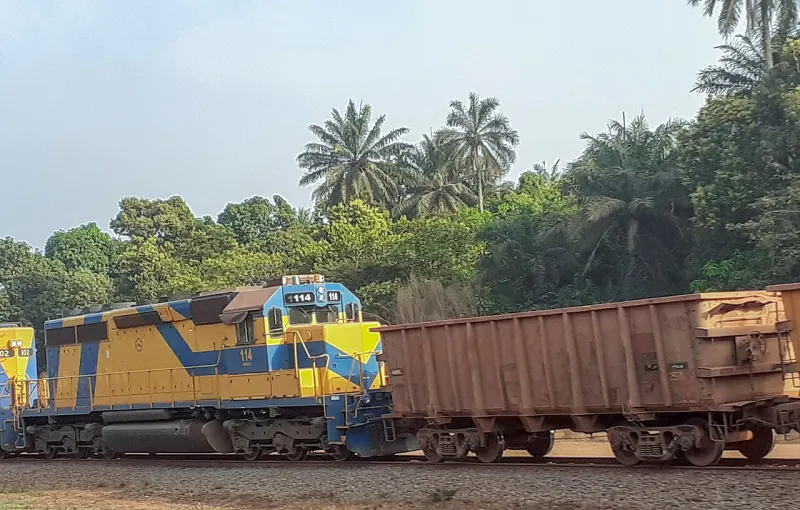
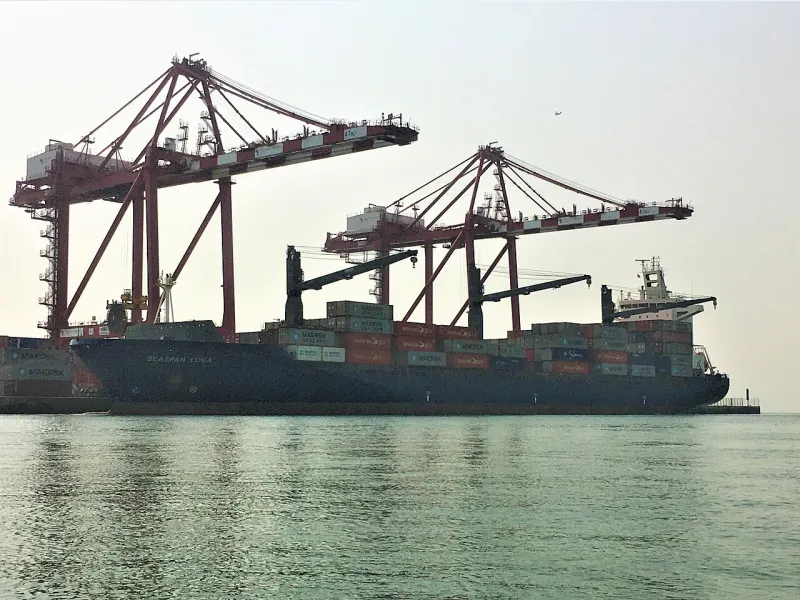
The minister recalled that the Simandou project had long stalled because each operator wanted its own mine, its own railway and its own port. Since 2022, the infrastructure has been shared within the Compagnie du Transguinéen (CTG), which brings together the State and the industrial companies. The State holds or is due to hold at least 15% of the railway, the ports and a future steelworks tasked with processing the ore locally.
Three commitments for investors
Djiba Diakité made three commitments: to honour the agreements signed, under the oversight of the Strategic Committee; to offer predictability on priorities, rules, timetables and reforms; and to train Guinean engineers, technicians and entrepreneurs through the Simandou Academy. In return, the State expects jobs, local content and skills transfer.
The Simandou 2040 programme includes 122 major projects, 36 reforms and 14 priority sectors. Iron ore revenue is mainly meant to feed a sovereign fund for future generations. For the minister, the summit's success will be judged by the projects launched and the jobs created, not by the number of speeches.
Comments
Loading comments…