

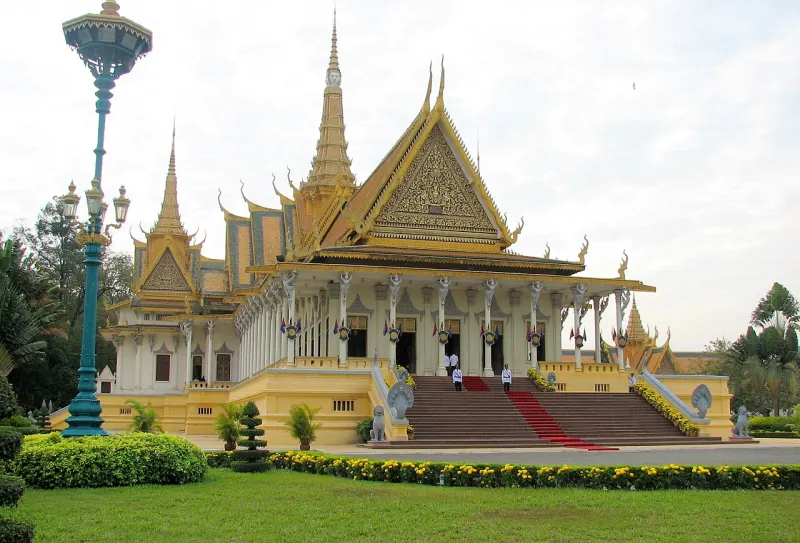
The International Organisation of La Francophonie (OIF) narrowly avoided an open crisis. At the close of its 20th Summit, held on 15 and 16 November 2026 in the Cambodian capital Phnom Penh, heads of state and government gave up on electing the organisation's next secretary-general for lack of consensus and opted for a transitional solution.
The compromise postpones by one year the appointment of the post-holder for the 2027-2030 term. During this period, lasting no more than twelve months, the outgoing secretary-general, Rwanda's Louise Mushikiwabo, in office since 2019, remains at the head of the organisation. Her brief: to handle day-to-day business and oversee a reform of the appointment rules and decision-making mechanisms.
Kinshasa secures guarantees
The deadlock stemmed above all from the dispute between the Democratic Republic of the Congo and Rwanda, against the backdrop of the conflict in eastern Congo. Kinshasa backed the candidacy of former minister Juliana Lumumba and firmly opposed a third term for Louise Mushikiwabo, who was seeking re-election with Kigali's support. Former Romanian prime minister Dacian Cioloș was also among the contenders.
Although the DRC did not obtain the secretary-general's immediate departure, the agreement includes two conditions it had demanded: Louise Mushikiwabo will not be able to seek a third term, and Rwanda undertakes not to field any candidate at the end of the transition. The Congolese government, which at the height of the crisis had not ruled out leaving the organisation, welcomed the fact that it had been heard.
France also welcomed the agreement. The French presidency sees it as an opportunity to launch a “renewal” of the Francophonie, saying that “unity is the condition for the effectiveness” of the organisation.
Peace at the heart of the debates
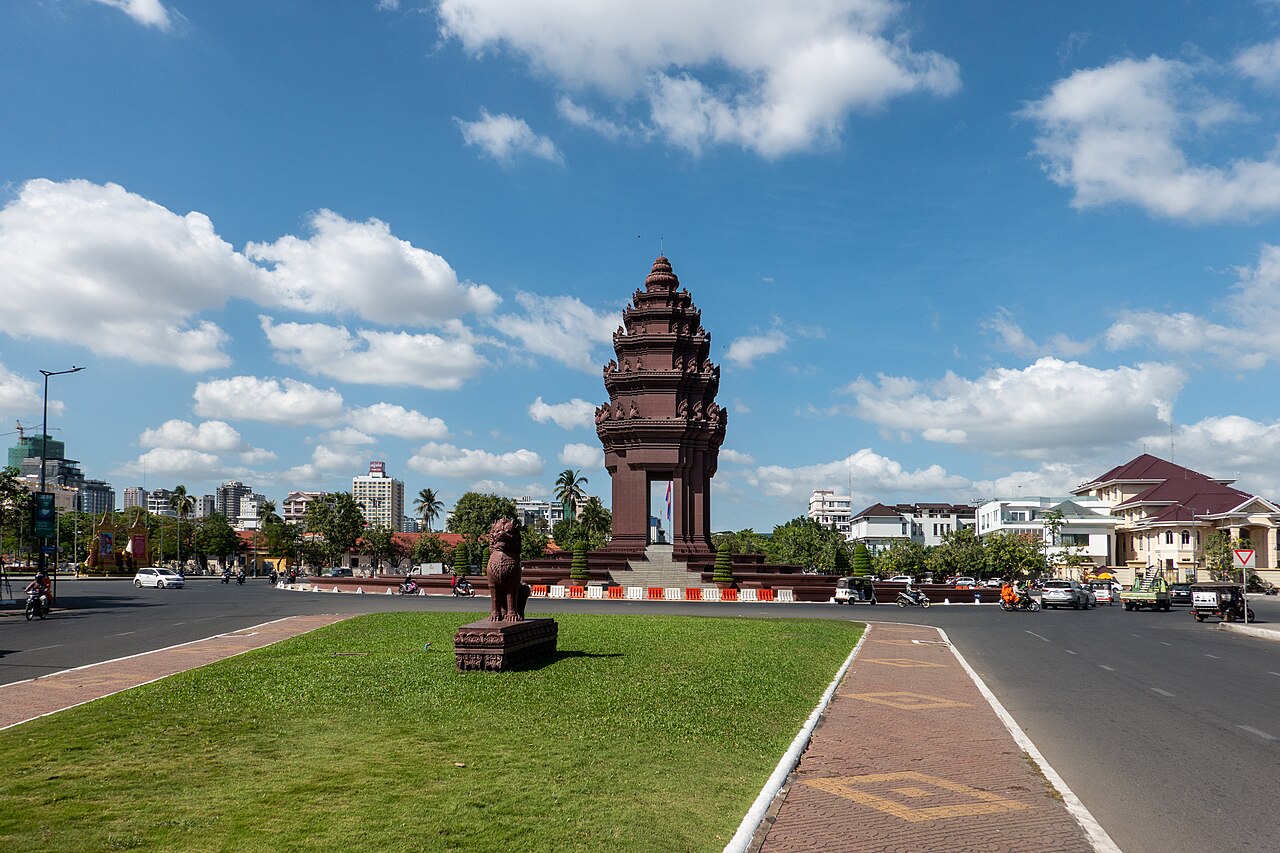
Held in Cambodia for the first time, the summit's theme was “Reinvesting in peace for shared prosperity and lasting stability”. Beyond the succession quarrel, delegations discussed the crises affecting the French-speaking world, particularly in Africa.
Guinea was represented by the Minister of Foreign Affairs, African Integration and Guineans Abroad, Morissanda Kouyaté, who led the delegation on behalf of President Mamadi Doumbouya. Addressing his peers, Guinea's top diplomat argued that stability depends first and foremost on economic progress: “The best way to guarantee peace is to bring about development,” he said, adding that several delegations had shown interest in the reforms under way in Conakry.

A decisive year for the OIF
The transition period now beginning will be closely watched. Member states will have to agree on clearer rules for choosing between candidates, between the tradition of consensus and recourse to a vote. The question of the weight of African countries, which form the demographic heart of the Francophonie, in the organisation's governance is also likely to return to the table.
For now, the other candidacies remain in the running and new bids could be submitted before the deadline. The stakes are high for an institution that claims hundreds of millions of French speakers, the large majority of whom live on the African continent.

Comments
Loading comments…