

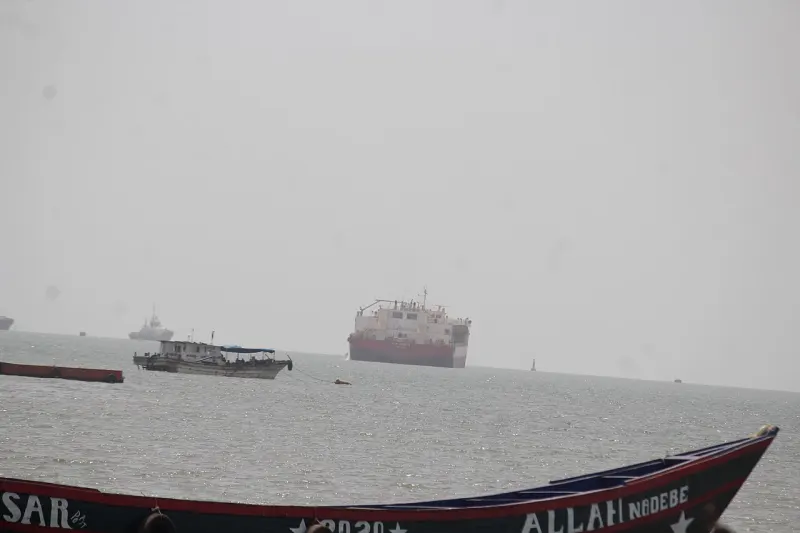
The Simandou project has reached a new milestone on its maritime side. SimFer, the joint venture bringing together the Guinean state, Rio Tinto and the Chinese consortium led by Chinalco, has celebrated the arrival at the port of Morebaya (also spelt Moribaya), in Forécariah Prefecture, of its first transhipment vessel, named the 'Wontanara' – 'we are together' in Susu.
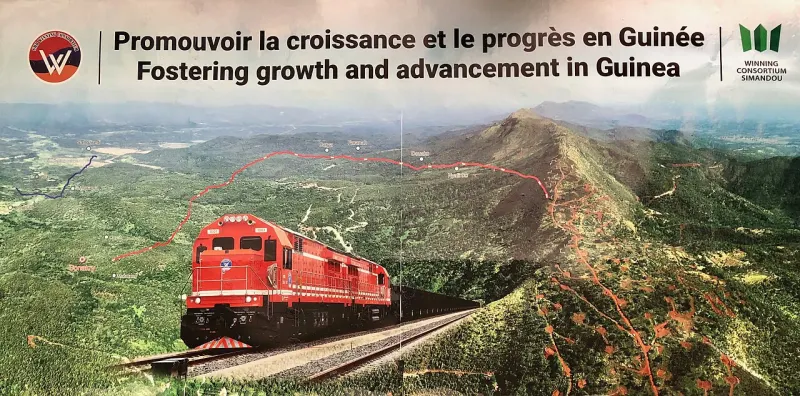
The welcoming ceremony was attended by representatives of the government, Rio Tinto, Chinalco and the Compagnie du TransGuinéen, the company responsible for the corridor's rail and port infrastructure. Elias Scafidas, managing director of international operations at Rio Tinto's iron ore division, hailed 'an important milestone' in the commissioning of SimFer's maritime infrastructure and thanked the Guinean authorities for their support.
A giant designed for shallow waters
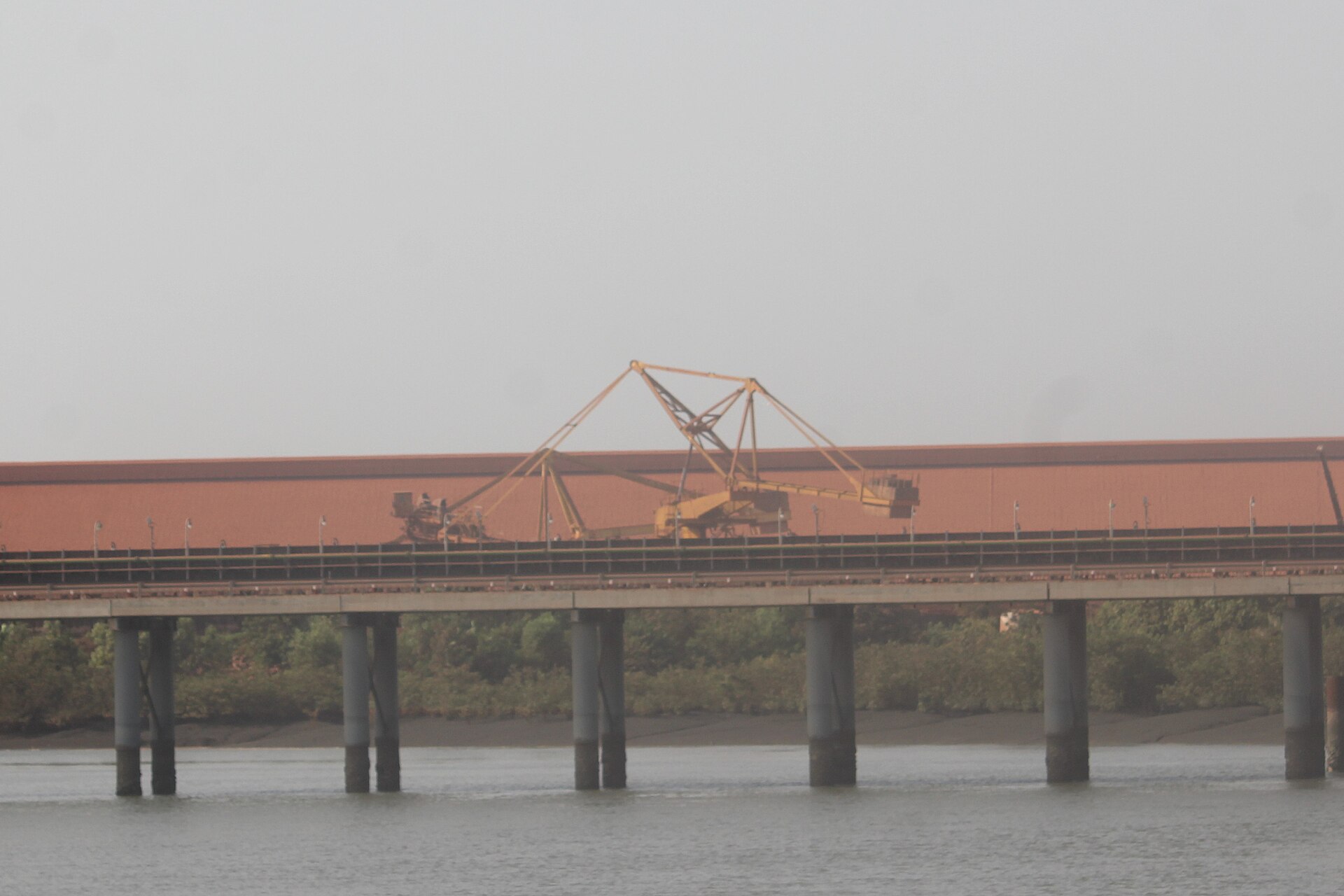
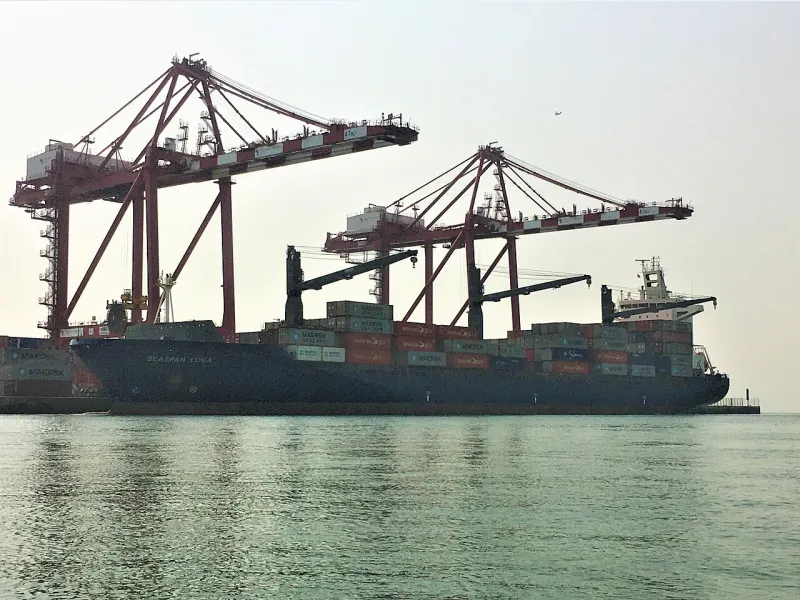
Built in China by the CSSC Chengxi shipyard and designed by Canada's CSL group, the Wontanara is 215 metres long and 42 metres wide, with a draught limited to 7.5 metres. It can carry more than 40,000 tonnes of iron ore per rotation and unload it at a rate of up to 12,000 tonnes per hour, a pace its backers describe as one of the fastest in the world.
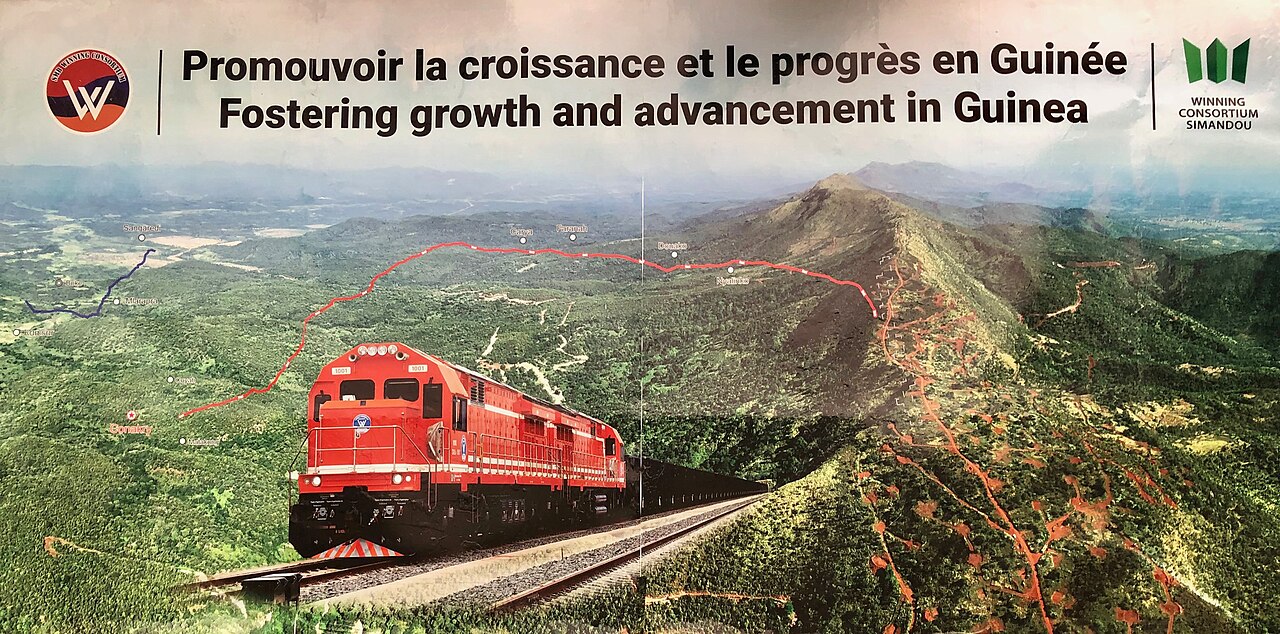
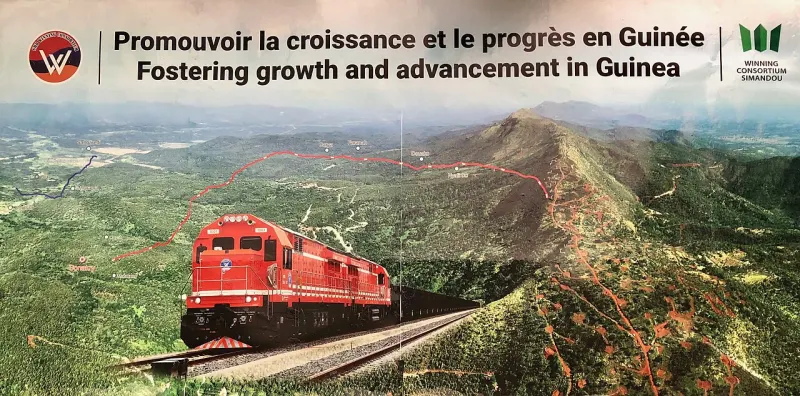
Fitted with five azimuth thrusters, it manoeuvres without the help of tugs. Its role is to shuttle between the Morebaya quay, where ore arrives by rail from the Simandou mountains, and the large bulk carriers anchored offshore, which the shallow coastal waters prevent from berthing. It is the first of a fleet of five vessels of this type, the other four of which are due to enter service in the coming months.
The vessel was christened in July in Yangzhou, China. Its godmother, Nènè Hawa Baldé, is a member of SimFer's port team in Morebaya. Part of its crew comes from the first cohort of Guinean seafarers trained in China, a programme the company presents as an investment in local skills.
Deep-water port still in limbo
The Wontanara's arrival has, however, reopened a long-standing debate. In 2023, SimFer's management announced that the deep-water port project at Morebaya had been shelved in favour of this offshore transhipment solution. Several industry specialists believe a port able to receive bulk carriers directly would have been more advantageous for Guinea: it would cut operating costs, eliminate transhipment fees and leave the country with lasting infrastructure that could be used beyond iron ore exports alone.
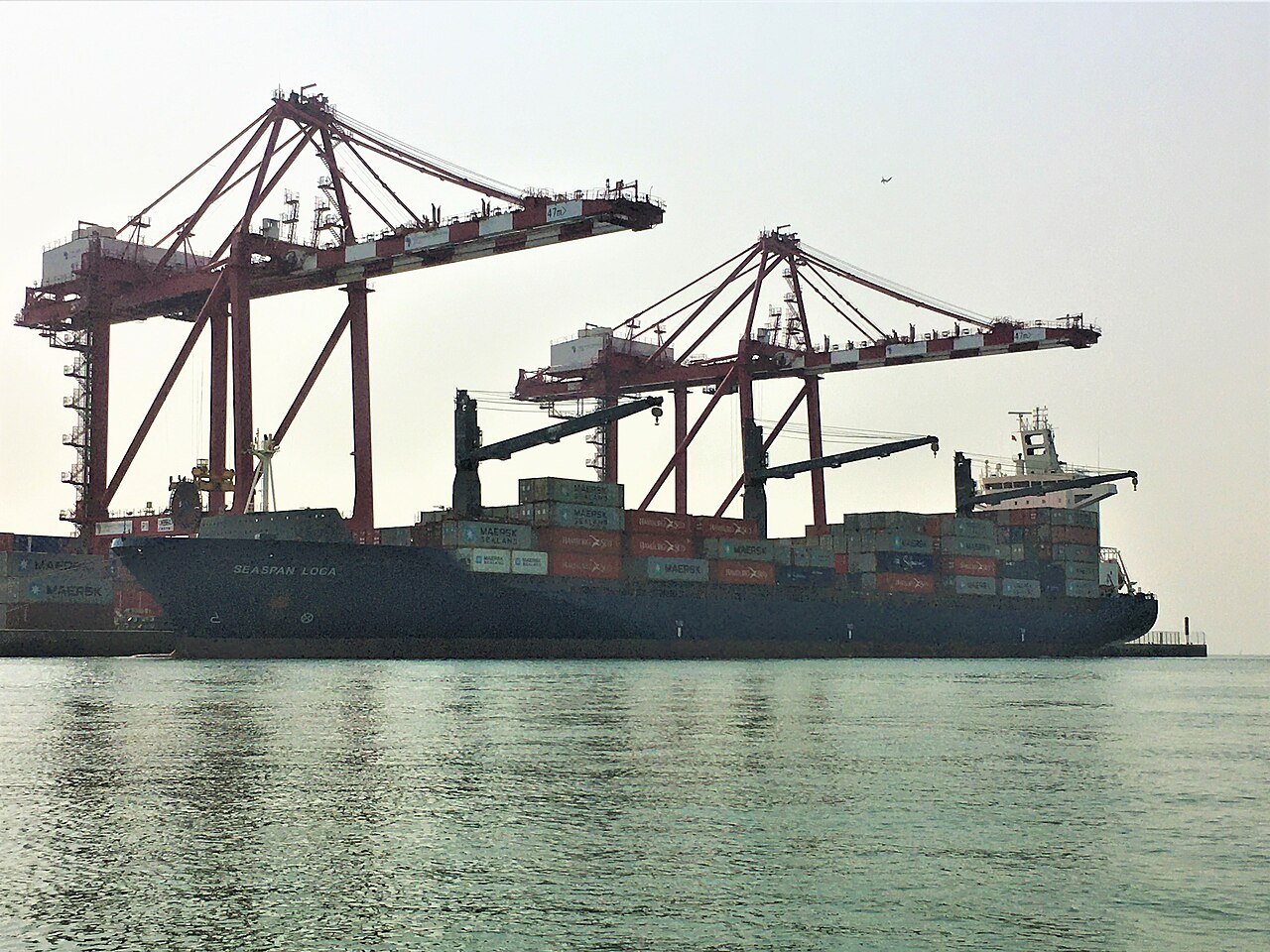
Supporters of transhipment, for their part, point to the speed of implementation and a lower initial investment cost, in a project where the export timetable is decisive. The initial targets mentioned for Simandou range from 40 to 100 million tonnes of ore a year, depending on the ramp-up.
For the Guinean state, which has placed Simandou at the heart of its 'Simandou 2040' development programme, the question of local benefits remains central: jobs, training, local content and shared infrastructure. The vessel has arrived; it remains to be seen whether the major port called for by some experts will ever see the light of day on the Guinean coast.
Comments
Loading comments…