

The International Monetary Fund (IMF) has given the green light. Its executive board, meeting in Washington on Monday 23 November 2026, approved a three-year economic and financial programme for Guinea worth around $425 million, or 310.59 million special drawing rights (SDRs). The announcement was made by the Guinean government in a statement from the Ministry of the Economy, Finance and Budget, headed by Mariama Ciré Sylla.
According to the ministry, the package represents 145% of Guinea's IMF quota. The programme covers the 2026-2029 period and relies on two Fund instruments: the Extended Credit Facility (ECF), intended for low-income countries and offered on concessional terms, and the Extended Fund Facility (EFF). The disbursement schedule and the amount of the first tranche have not been made public.
Negotiations described as “tough”
Prime Minister Amadou Oury Bah made no secret of the fact that talks with the Fund's teams had been difficult. He nevertheless stressed the significance of the agreement, saying that the IMF's backing carries great weight for any open country seeking to grow its economy. For the head of government, Guinea does not only need additional financing: it needs the institution's oversight and technical expertise, a mark of credibility meant to help investors and donors come in and secure better borrowing terms.
On the IMF side, the talks were led by a mission headed by Izabela Karpowicz, which reached a staff-level agreement before the programme was reviewed by the institution's management and executive board.
Four priority areas
The programme is built around several commitments. The first is mobilising public revenue, particularly from the mining sector, without jeopardising debt sustainability. The second concerns the management of the state's cash flow and its capacity to absorb economic and financial shocks. The third aims to rebuild international reserves, notably through greater exchange-rate flexibility. The fourth covers governance and transparency: governance of the Central Bank, oversight of gold transactions, and control, integrity and anti-corruption mechanisms.
Public financial management in the broad sense is also targeted: budget preparation and execution, debt management and the quality of spending. In its statement, the ministry says the programme will support Guinea in turning its abundant natural resources into sustainable and inclusive growth, and should help contain inflationary pressures. It stresses that the Guinean economy has shown resilience and that growth is expected to accelerate as extractive output rises.
Simandou in the background
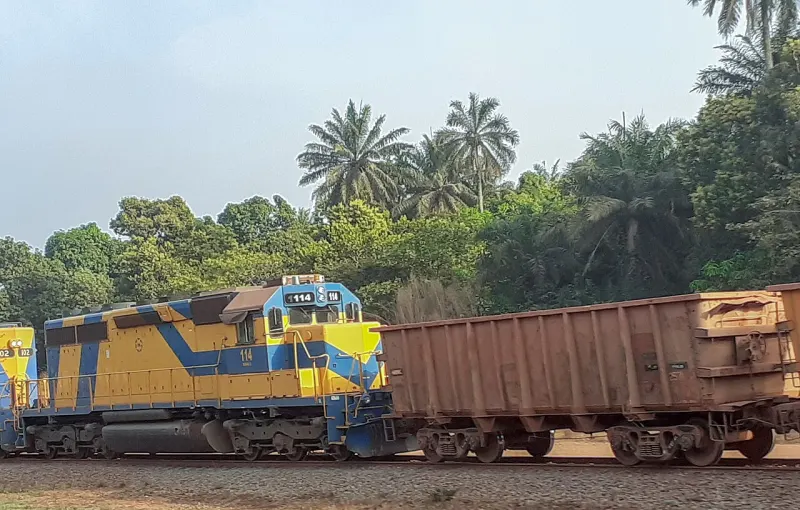
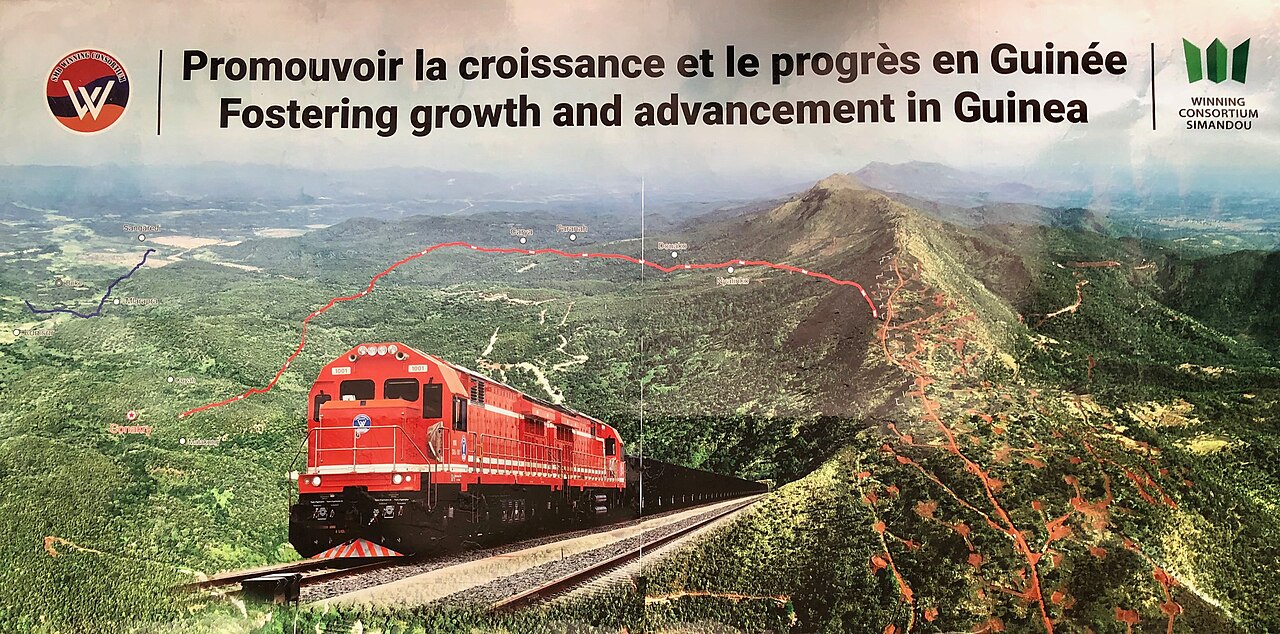
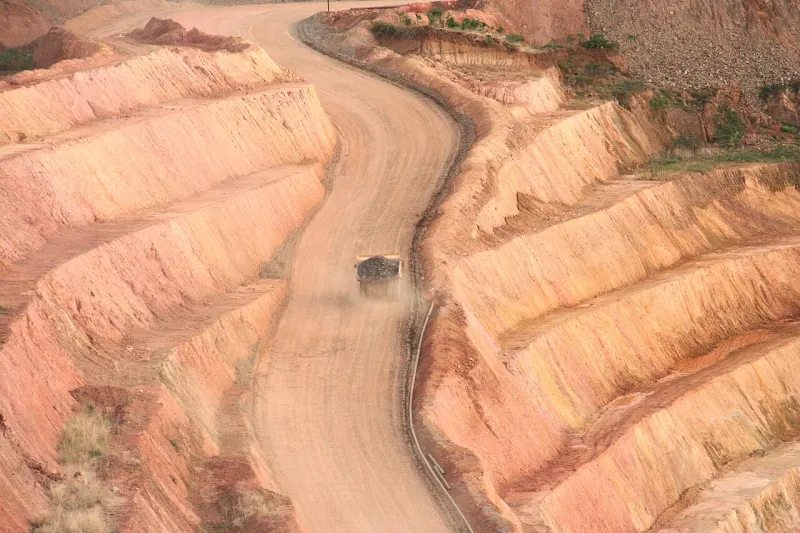
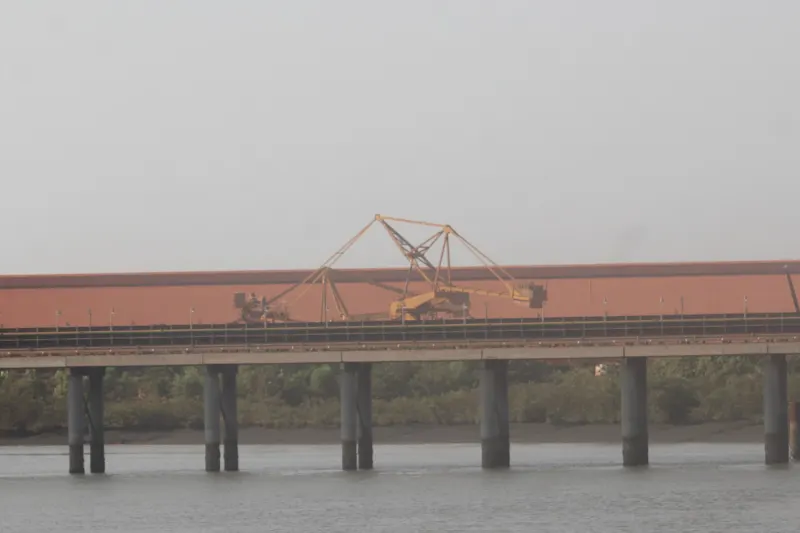
The agreement comes as the Simandou iron ore deposit, in the south-east of the country, enters production. The government explicitly presents the programme as support for its Simandou 2040 plan, its roadmap for turning mining revenue into development. The discussions with the IMF also covered a rules-based fiscal framework for managing natural resource revenue, at a time when the authorities are working to set up a sovereign wealth fund.
Implementation remains the challenge. IMF programmes are monitored through regular reviews, which determine the release of subsequent tranches. The social impact of the reforms, an issue often raised by civil society regarding IMF programmes, is likely to enter the public debate. The next three years will show whether the state can reconcile fiscal discipline with the social expectations of a population hoping to see the benefits of Simandou in their daily lives.
Comments
Loading comments…