

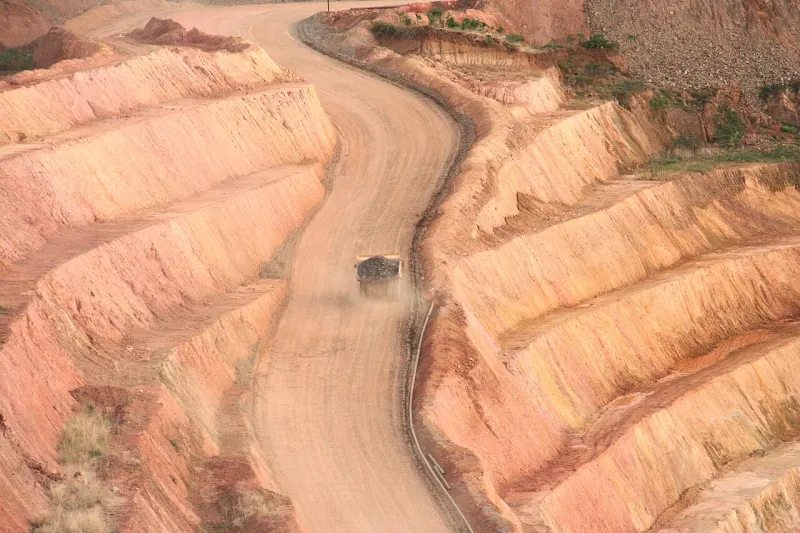
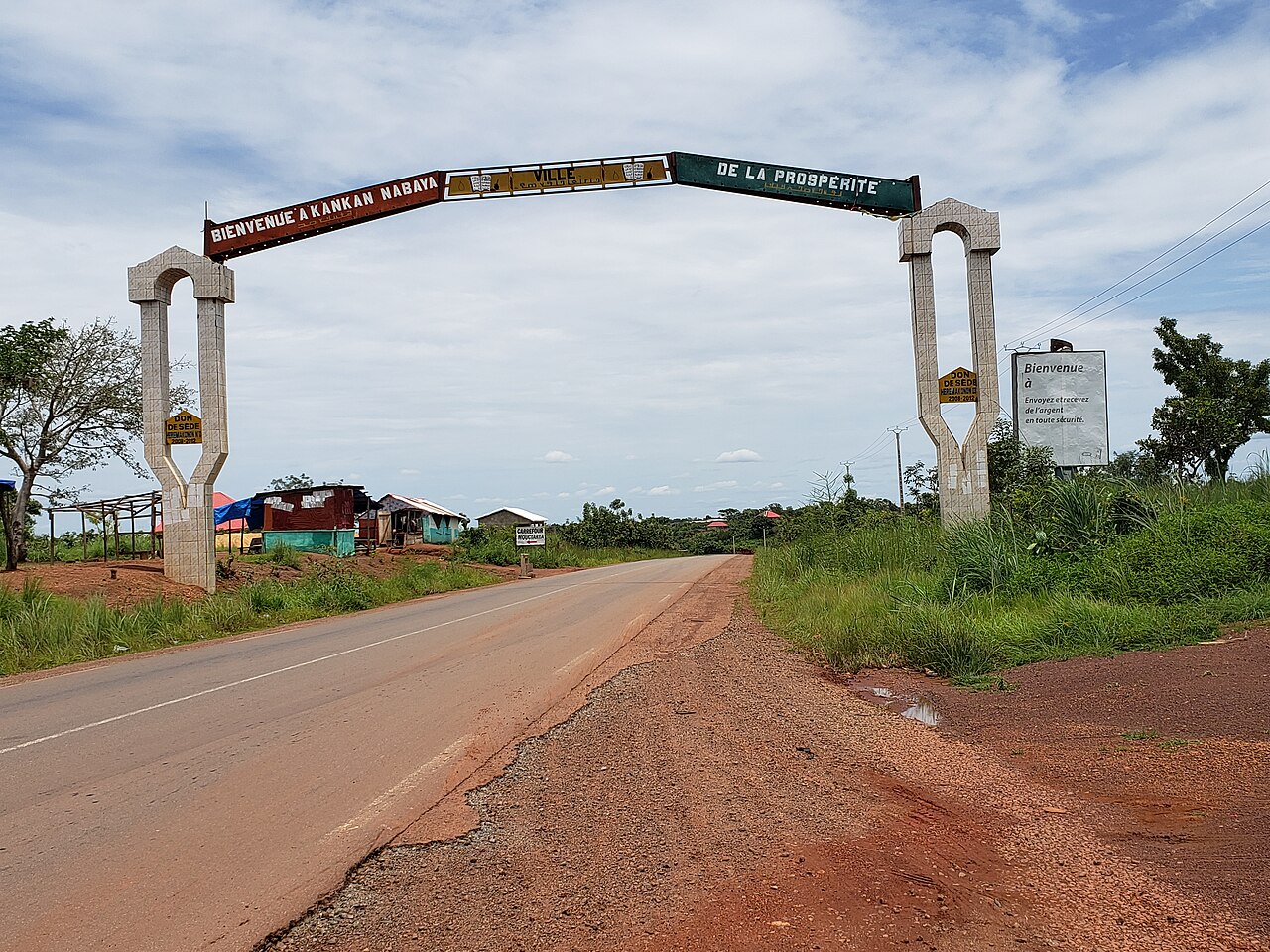
Guinea has taken a further step in developing its industrial gold sector. By decrees dated Monday 16 November 2026, the authorities granted PDI Gold operating permits for two projects in Upper Guinea, in the Kankan region: Bankan, a new deposit set to become a major mine, and Mansounia, a deposit next to the Kiniéro mine, already operated by the group. The company announced it had obtained the permits on Tuesday 17 November.
An initial investment of $463 million
The Bankan project represents an estimated initial investment of 463 million US dollars. The future mine is expected to produce an average of some 250,000 ounces of gold a year over a mine life of around twelve years. For the company, the permits are the last regulatory approvals required to begin construction, which it intends to start as soon as possible. First gold pour is targeted for mid-2028, according to the timetable presented by the company.
The Mansounia permit, awarded to the subsidiary Sycamore Mine Guinée, is meant to extend the life of Kiniéro by feeding the existing plant with ore from a satellite deposit. Mining at the site is due to begin shortly, the company said. Once Bankan reaches full capacity, the group aims to exceed 400,000 ounces of gold a year across its Guinean mines, which would place it among the country's leading industrial producers.
15% for the Guinean state
In accordance with the Mining Code, the Guinean state will hold a 15% stake in the companies holding the new permits. The operating permits are granted for an initial period of fifteen years. The expected benefits also concern employment: around 2,000 jobs have been announced during Bankan's construction phase, followed by nearly 1,000 permanent jobs once the mine is in production.
PDI Gold's chief executive, Matthew Wilcox, hailed a decisive milestone for what he considers one of the most promising gold districts in West Africa. The company says it intends to develop its projects responsibly, prioritising local skills, procurement from Guinean businesses and initiatives benefiting neighbouring communities, whose compensation is to be accelerated.
A gold sector undergoing major reorganisation
The awards come as the transitional authorities tighten their grip on the mining sector. In recent months the government has withdrawn several hundred permits deemed inactive or non-compliant, and illegal artisanal gold mining is strictly banned, notably in the Siguiri area, next to the new projects. On 15 November in Conakry, the Minister of Mines and Geology, Bouna Sylla, said the granting of new permits was not frozen, but that the state would henceforth require stronger technical and financial guarantees before each award.
For Upper Guinea, the arrival of a new industrial mine raises high expectations, in terms of jobs as well as roads, electricity and public services. It also raises recurring questions about coexistence with traditional artisanal mining, water management and the protection of farmland. Monitoring the company's social and environmental commitments as construction progresses will be crucial if the populations of the villages concerned are to truly benefit from this investment.
Comments
Loading comments…