

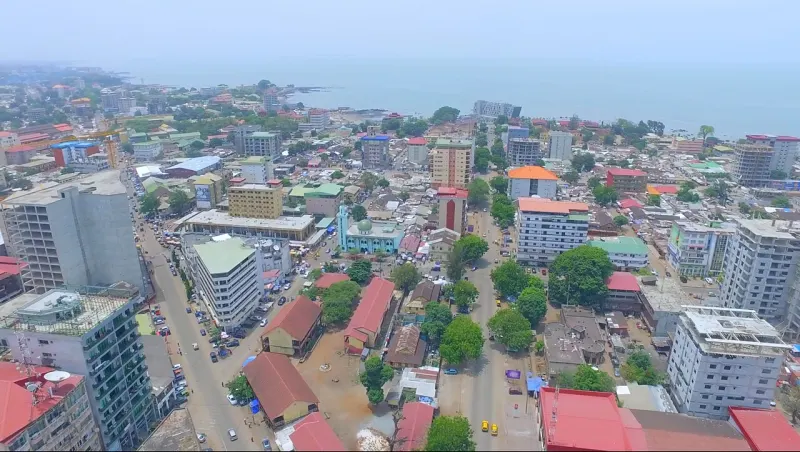
Guinea has taken a further step in its thinking on a future administrative capital. On Thursday 19 November 2026, Prime Minister Amadou Oury Bah received a delegation from the ATEPA group, an architecture and engineering firm founded by Senegalese architect Pierre Goudiaby Atepa, which came to present a new-city project named “Nimba”.
The meeting was introduced by the Minister of Urban Planning, Housing and Land Development, Mohamed Lamine Sy Savané. According to the Prime Minister's Office, the initiative stems from instructions from the head of state, General Mamadi Doumbouya, who has called for the sites of tomorrow's major public infrastructure to be secured in advance, chief among them a new administrative capital and cities to be built along the Simandou corridor.
A 30,000-hectare city organised into seven hubs
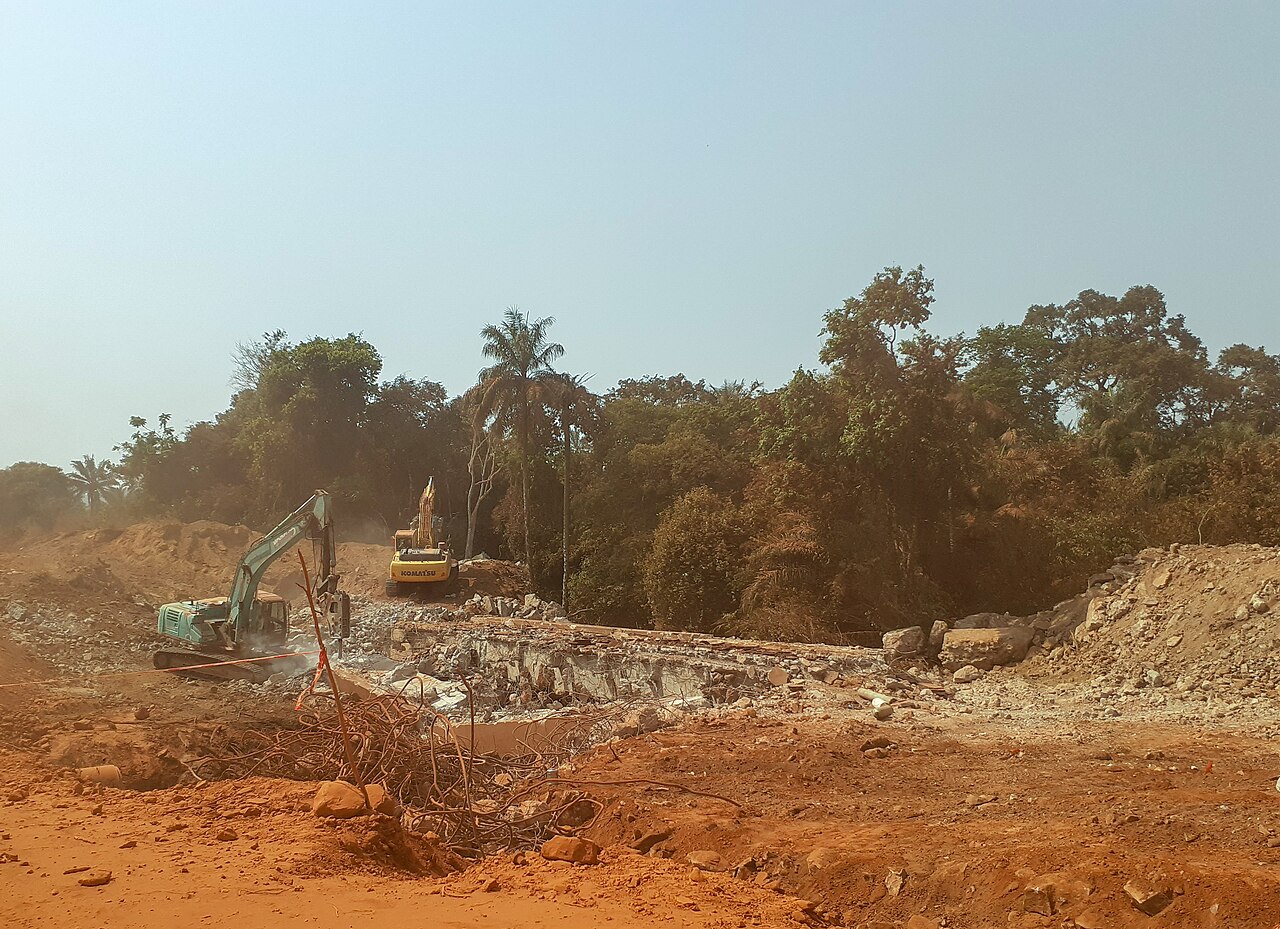
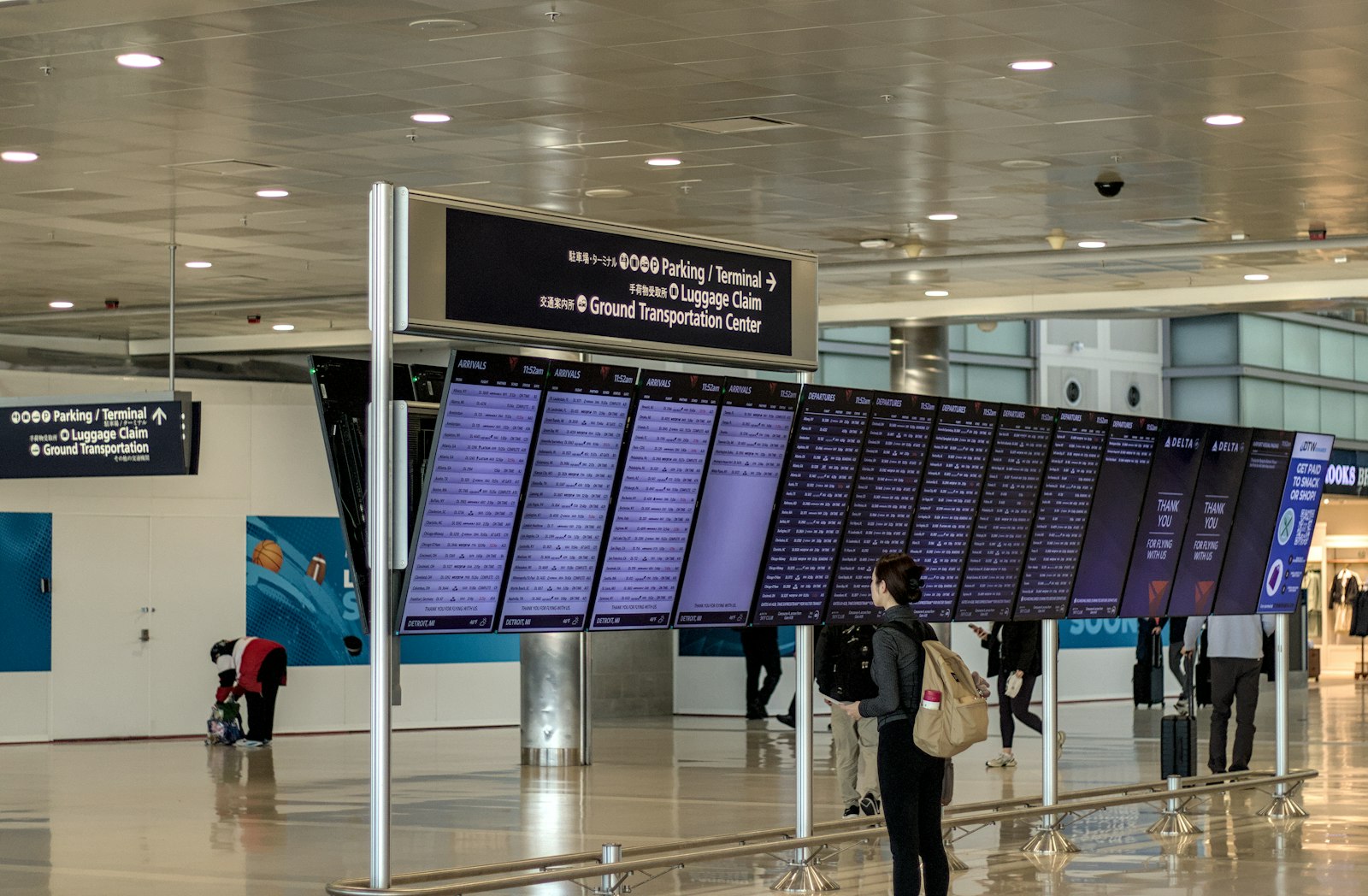
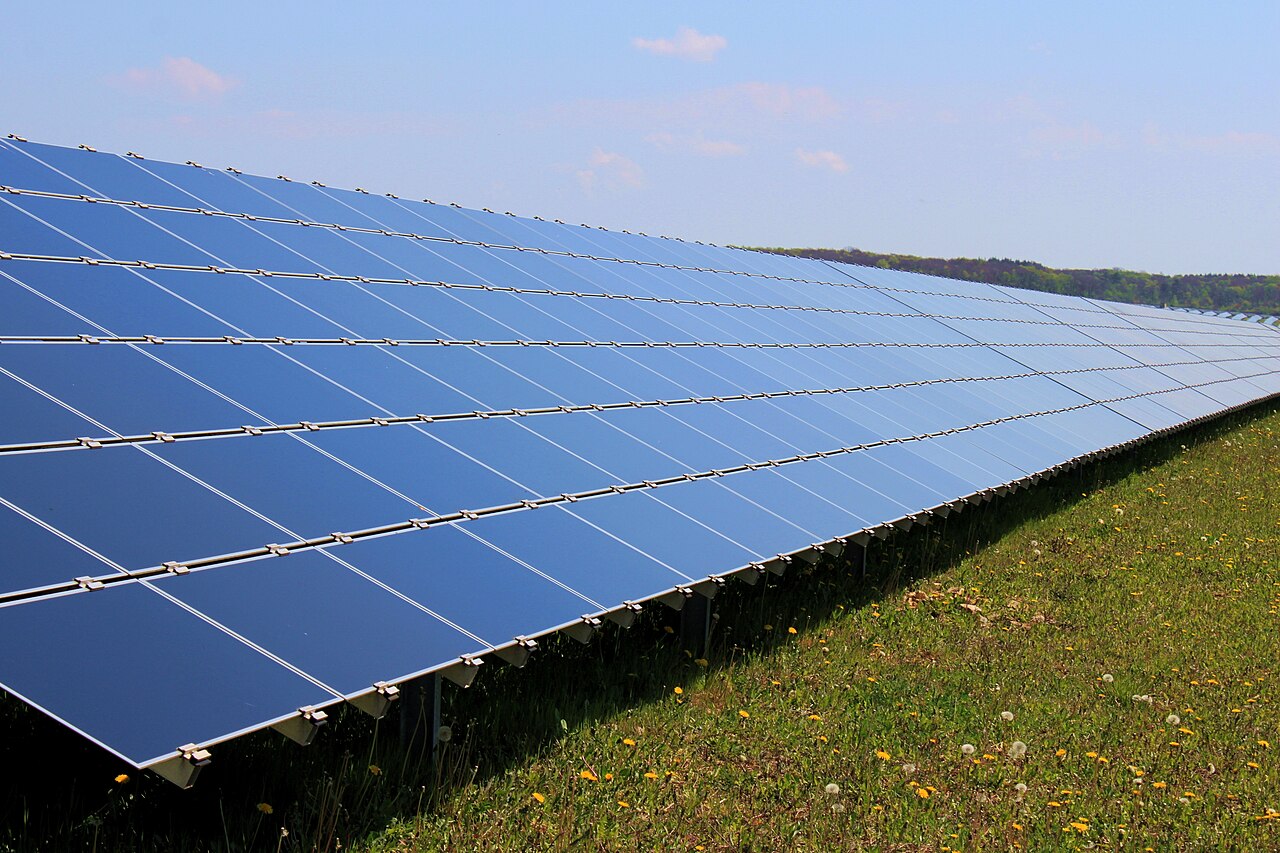
According to the developer's presentation, made public by the Ministry of Urban Planning, “Nimba” would cover some 30,000 hectares. The plan provides for seven hubs: a 4,000-hectare international airport zone with a 4,000-metre runway, an administrative city, a residential zone, an agri-food hub, a 5,000-hectare industrial zone linked to the future port of Moribaya, a presidential palace and more than 1,000 hectares of solar farms.
The ATEPA group says it has been developing the idea for more than four years. To justify it, the firm points to the rapid growth of African capitals, whose populations could double within twenty years or so. It says it is carrying out similar studies in Ivory Coast, Gabon and Sierra Leone.
A projected cost of €20 billion to €30 billion
On the financial side, the developer puts the investment at between €20 billion and €30 billion spread over twenty years. The model would rely mainly on land value capture, with the rising value of developed plots expected to fund part of the infrastructure, along with a financing package involving partner banks described as “already identified”. These figures remain the developer's estimates: the government has set no overall cost and has announced neither an official figure nor a timetable.
The developer also sets out several conditions: a location ideally 50 to 60 kilometres from the economic capital, secured land tenure and close consultation with the communities concerned, without forced evictions. The support of the land's current occupants is presented as essential to the project's success.
Government calls for in-depth studies
Minister Mohamed Lamine Sy Savané said he was pleased with the presentation, which he considers consistent with the Simandou 2040 programme. He nevertheless insisted on further studies in order to reach a compromise with the partner and an economically viable master plan (master plan). The Prime Minister, for his part, welcomed an initiative that meets the need to improve living conditions and rethink urban organisation, stressing the importance of anticipating future needs for housing, infrastructure and public services. He asked that the project's coherence and viability guide the next stages of the work.
The project comes in a busy week for the economic strand of the 2040 vision. At the Council of Ministers on the same Thursday, 19 November, President Mamadi Doumbouya asked the Simandou Strategic Committee to step up its monitoring so that the creation of Guinea's Sovereign Fund is finalised before the end of 2026, with the General Secretariat of the Government tasked with speeding up the corresponding legislative procedure.
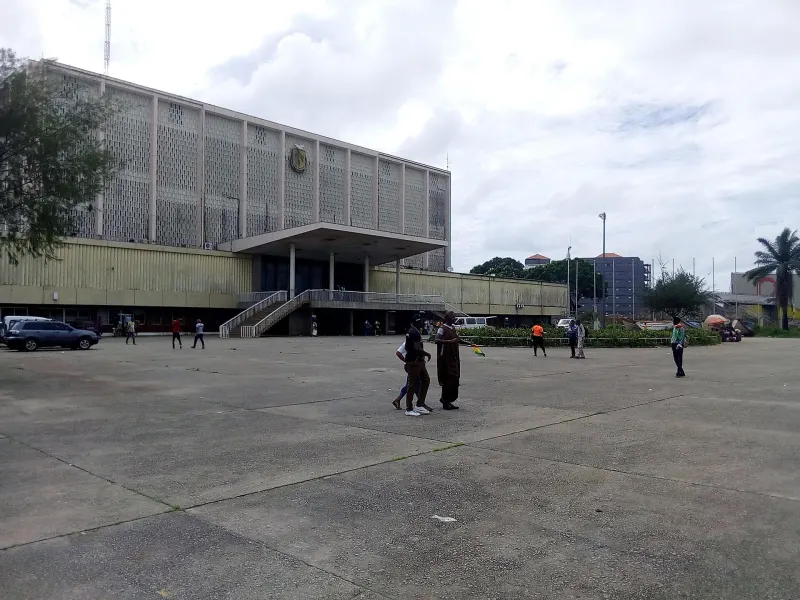
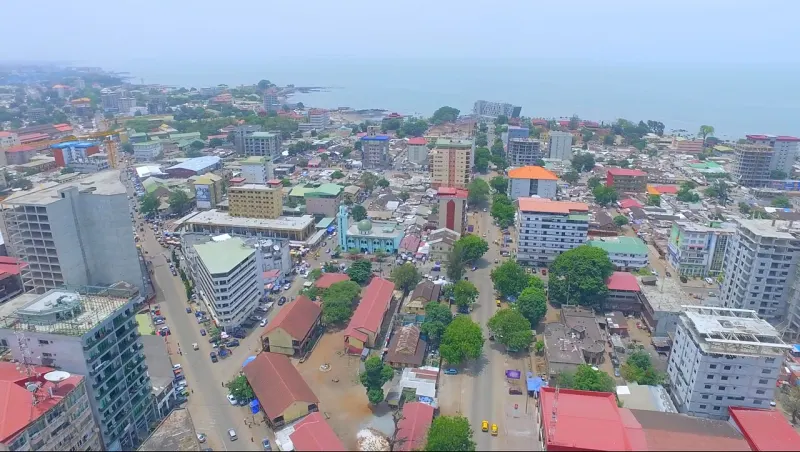
At this stage, many questions remain open: the exact location of the future city, the construction timetable, the state's share of the financing and the fate of the land concerned. For Conakry, a congested peninsula where most government offices are concentrated, the prospect of a new centre of decision-making is likely to raise as many hopes as questions.
Comments
Loading comments…