

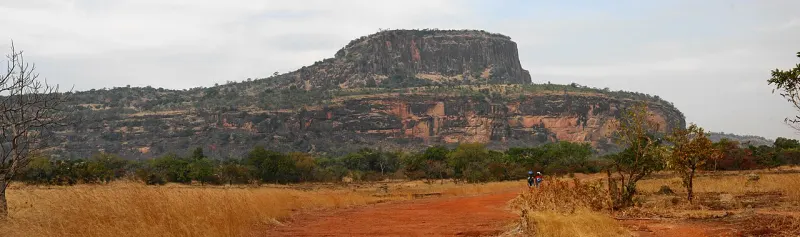
The Guinean government is stepping up its fight against illegal gold mining. In a joint statement dated Monday 23 November 2026 and made public the same day, six ministries announced that the eviction and security operations launched against illegal gold mining are continuing and being extended to the entire national territory. Until now, action by the defence and security forces had mainly targeted areas deemed sensitive, above all the gold-mining sites of Upper Guinea.
The text bears the signatures of six members of the government: the Minister of Justice and Human Rights, Ibrahima Sory 2 Tounkara; the Minister Delegate to the President of the Republic in charge of National Defence, Ibrahima Khalil Condé; the Minister of Territorial Administration and Decentralisation, Djénabou Touré; the Minister of Security and Civil Protection, General Ahmed Mohamed Oury Diallo; the Minister of Mines and Geology, Bouna Sylla; and the Minister of the Environment and Sustainable Development, Fassou Théa. It was read out on national television by a Defence Ministry spokesman.
Arrest and prosecution for all offenders
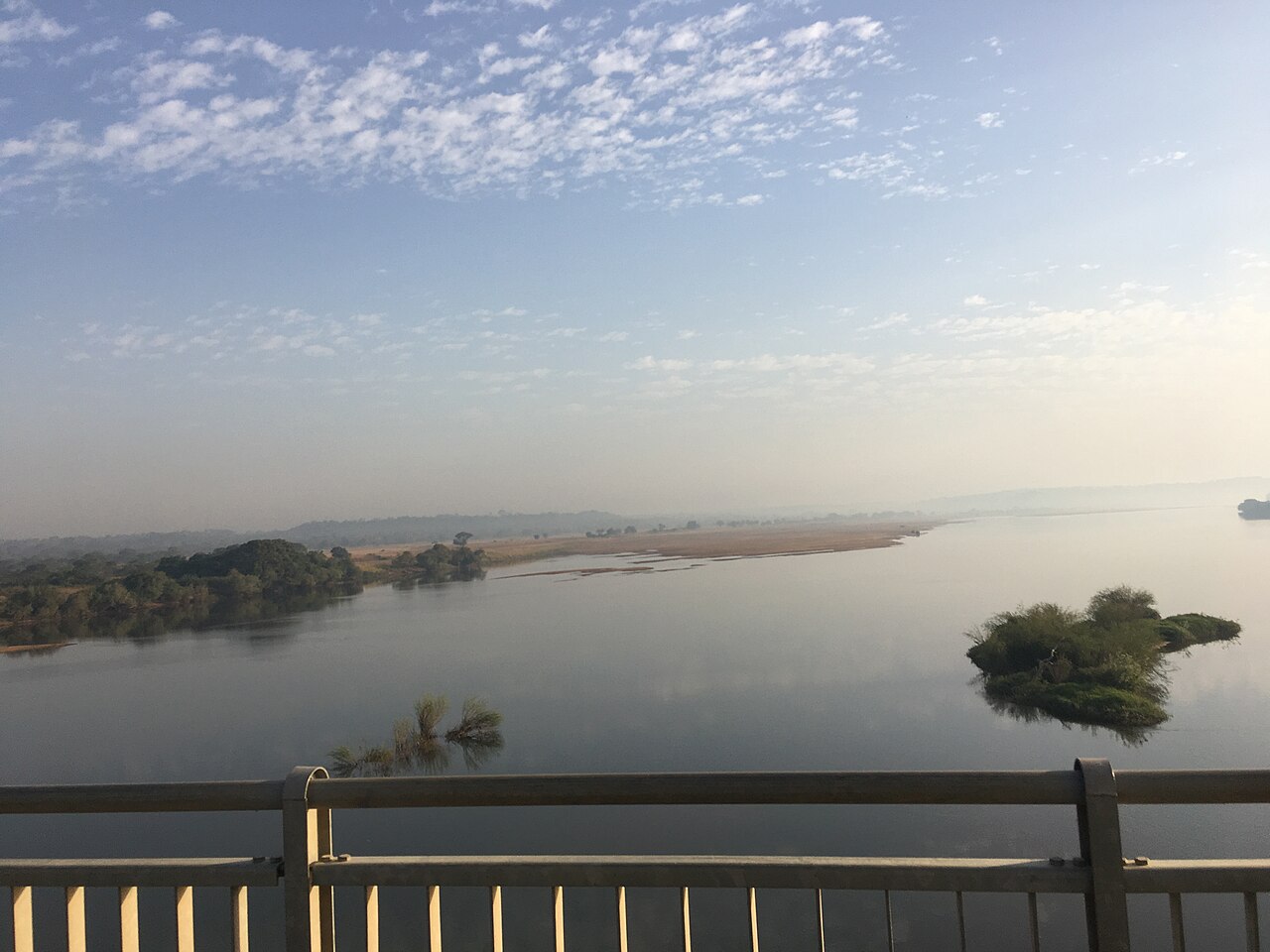
The authorities' message is unambiguous: anyone caught engaging in illegal gold mining, whether Guinean or foreign, will be immediately arrested and brought to justice. The statement asks the forces deployed on the ground to act in strict compliance with the law, to guarantee the free movement of people and goods and to ensure the protection of both the environment and human rights.
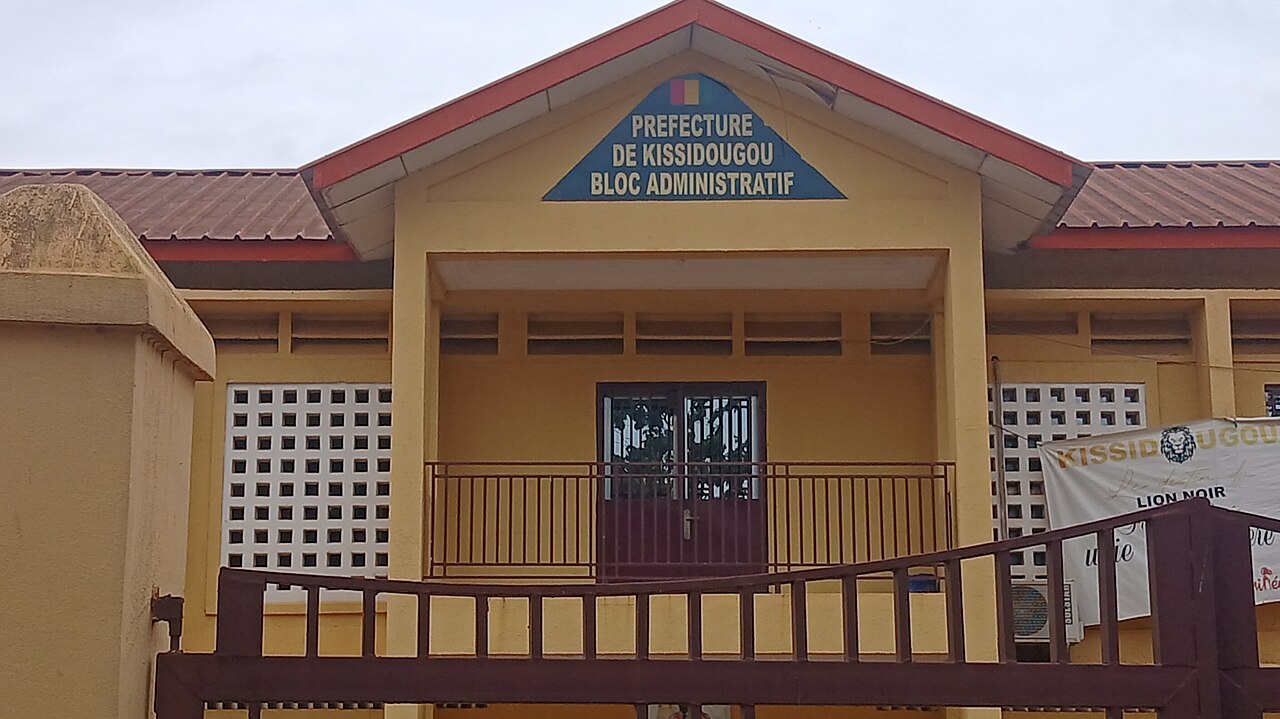
Administrative and local authorities are being called upon. Regional governors, prefects, sub-prefects, mayors, district chiefs and neighbourhood chiefs are asked to support the defence and security forces in carrying out the measure. The text specifies that it must be read and circulated “wherever necessary”, suggesting a broad information campaign in the prefectures and sub-prefectures.
Courts already involved
The nationwide extension comes as legal proceedings multiply. In recent weeks, hundreds of people arrested at sites in the Siguiri region have been brought before the courts, and several groups of defendants have been given suspended prison sentences and fines for illegal gold mining and environmental damage. On Tuesday 24 November, the Court for the Repression of Economic and Financial Offences (CRIEF) also opened in Conakry the trial of four residents of the Ourékaba area, accused of illegal gold mining on farmland and serious harm to the environment, charges they deny.
Forest Guinea faces the return of gold miners
The halt to activity in the gold-mining areas of Siguiri, Mandiana and Kouroussa has already triggered large population movements. For several days, lorries, minibuses and covered vehicles loaded with mattresses, beds and personal belongings have been heading towards Faranah and Kissidougou. Some of these travellers continue on to Guéckédou, Macenta, N'Zérékoré or the region's sub-prefectures, and some go as far as Sierra Leone.
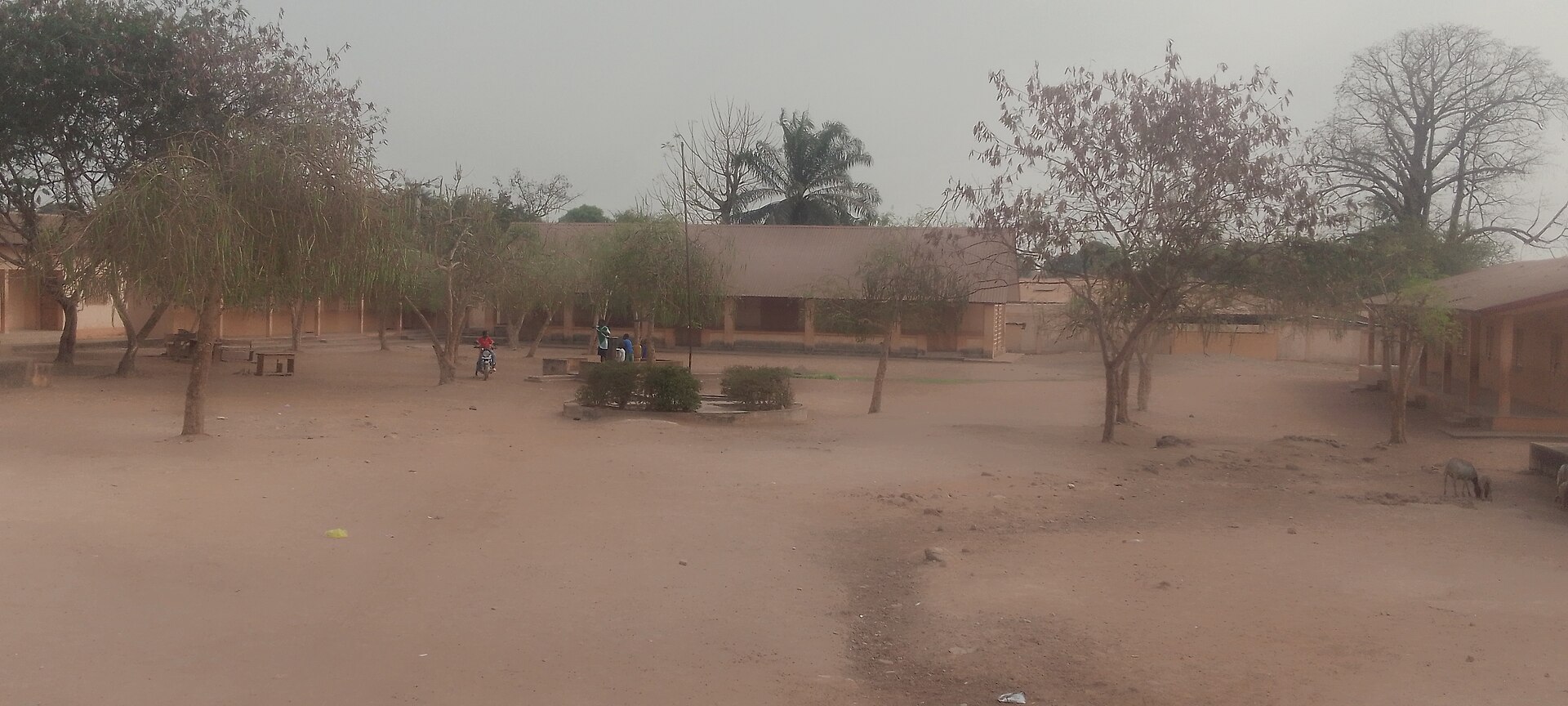
In their home localities, the reception has been mixed. Some residents welcome the return of a young workforce that the fields had been missing for years. Others worry about these young people's ability to reintegrate, and traders, particularly rice sellers, are seeing their sales fall with the closure of sites that supported part of the local economy.
An economic and environmental challenge
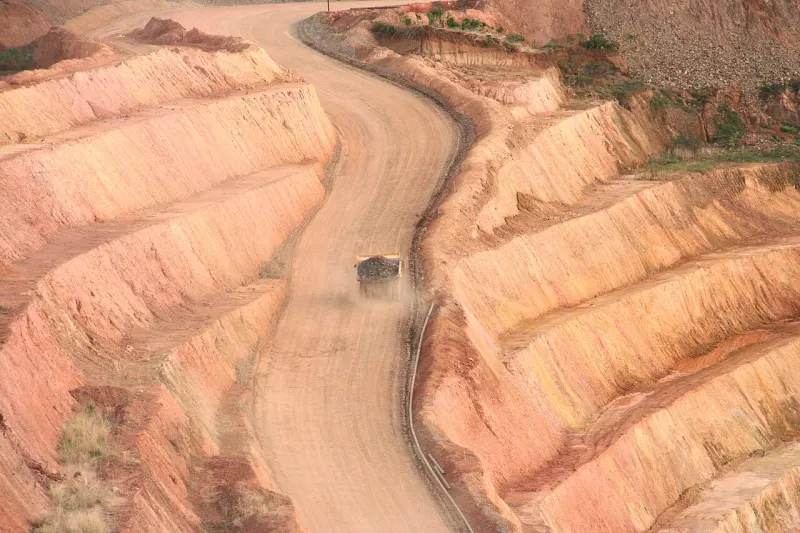
For the state, the stated aim is to end an activity accused of destroying soils, polluting rivers, notably with mercury, and evading tax controls. Extending the measure to the whole country now raises the question of how it will be enforced in more remote areas, and of support for the thousands of people who made a living from gold mining. No retraining measures are detailed in the joint statement.
Comments
Loading comments…