

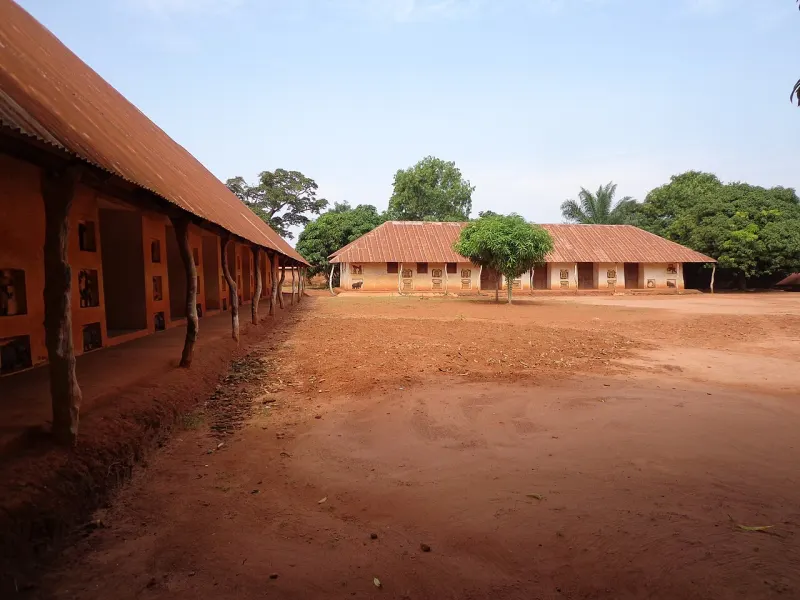
Benin is renewing its fight for its heritage. The Beninese authorities have asked France to return 35 cultural objects held in French public collections, chiefly at the Musée du quai Branly-Jacques Chirac in Paris. The French Ministry of Culture confirmed on Thursday 19 November that it had received the request, which concerns objects suspected of having been taken during the colonial period.
The request was first made in 2025 and returned to the diplomatic agenda on 5 October, when Beninese President Romuald Wadagni met his French counterpart Emmanuel Macron at the Élysée Palace. Cotonou then formally renewed its request, which also covers archive collections.
The god Gou, centrepiece of the list
The most emblematic object is the statue of the god Gou, deity of iron, the forge and war in the Vodun pantheon. The metal sculpture, made around the middle of the 19th century by the blacksmith Akati Ekplékendo at the start of King Glèlè's reign, is regarded as a symbol of the power of the kingdom of Danxomè. Brought to France at the end of the 19th century, it is today one of the most admired pieces in Paris's African collections and is displayed in the Pavillon des Sessions at the Louvre.
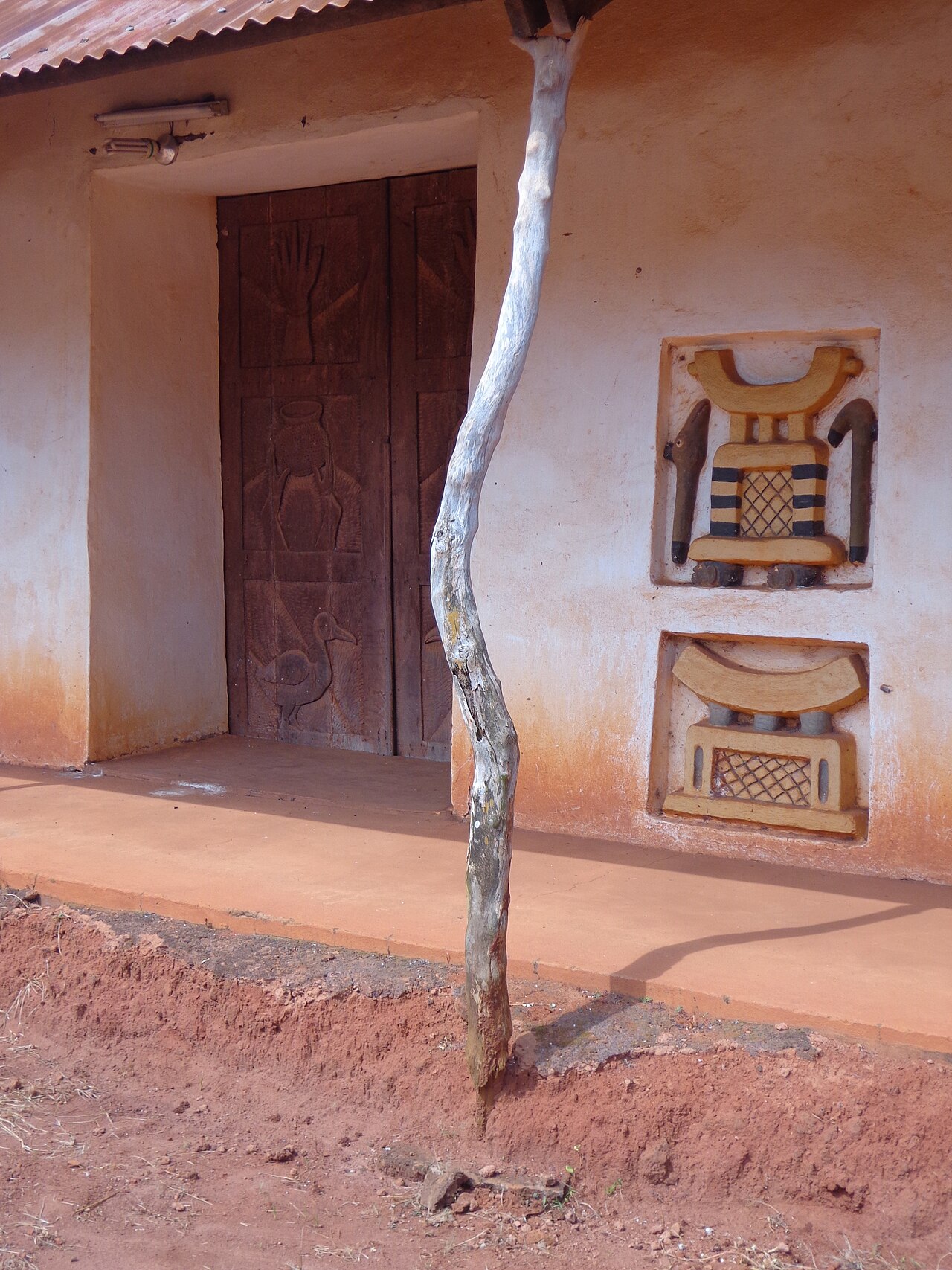
The list also includes a carved wooden divination tray, the throne of King Toffa of Porto-Novo (Xogbonou) and antique weapons. For Benin, these objects are not mere museum pieces: they carry the history of the kingdoms of Abomey and Porto-Novo, as well as religious practices that remain very much alive.
A new French law that changes the game
The request comes amid a new legal framework. In May 2026, France adopted a framework law on the restitution of cultural property illicitly acquired during the colonial period. Until now, each return required a specific law to be passed, because of the principle of inalienability of public collections. The new law creates a general exception: requests are examined by a committee of experts, and removal from the collections is then decided by decree.
In practice, the 35 objects claimed by Cotonou will have to be assessed against the law's criteria, notably the conditions under which they were acquired. A Franco-Beninese scientific committee is tasked with establishing their provenance and history; on the Beninese side, a national scientific committee was set up in July to prepare the files. No official timetable has been set, although the new procedure is expected to move faster than in the past.

Following in the footsteps of the Abomey treasures
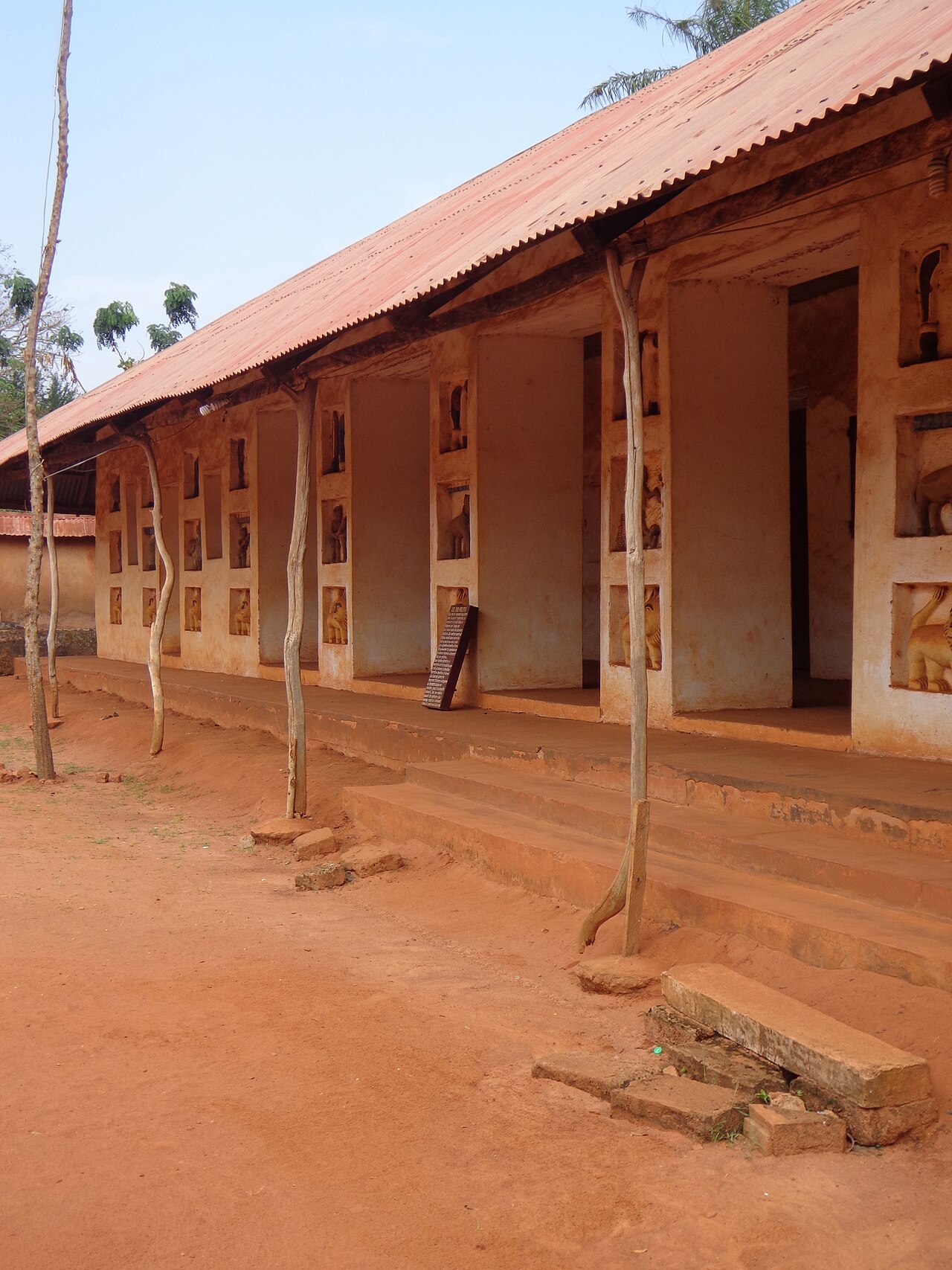
Benin has already succeeded once: in November 2021, France returned 26 royal treasures of Abomey, taken in 1892 by General Dodds's colonial troops. The royal statues, thrones and carved doors were welcomed in Cotonou by large crowds, and their exhibition drew a great many visitors.
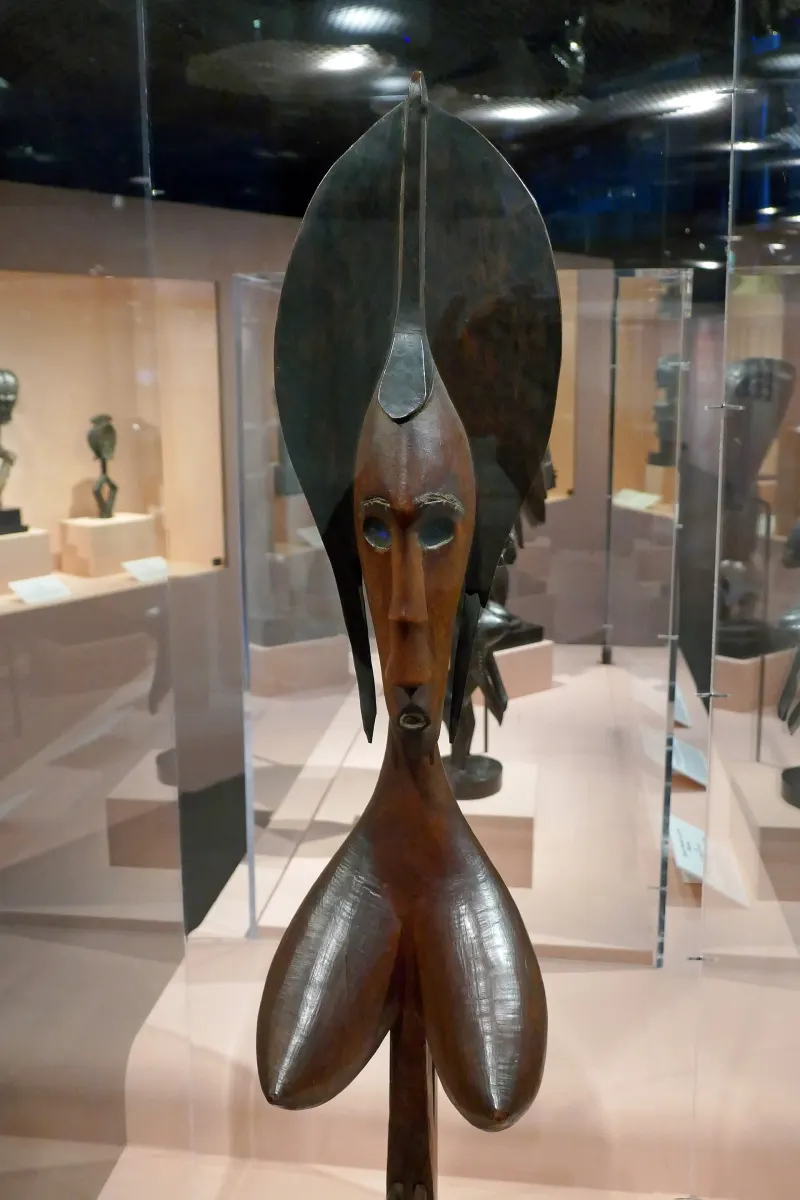
Benin's case is being closely followed across West Africa, including in Guinea, part of whose heritage, notably masks and statuettes from Forest Guinea, is also held in European museums. The Quai Branly museum alone holds several tens of thousands of objects from sub-Saharan Africa, whose origins are the subject of growing research.


Comments
Loading comments…