

South Africa has lost one of the most prominent political figures of the post-apartheid era. Phumzile Mlambo-Ngcuka, the first woman to serve as the country's deputy president and later executive director of UN Women for eight years, died on Friday 20 November 2026, aged 71. According to a statement from her family, she succumbed to complications following a medical procedure she had undergone about two weeks earlier.
Tributes poured in as soon as her death was announced on Saturday. President Cyril Ramaphosa expressed his deep sadness and praised a leader whose commitment reached far beyond South Africa's borders. In New York, United Nations Secretary-General António Guterres paid tribute to a passionate champion of the rights and empowerment of women and girls, recalling her conviction that gender equality is a right to be claimed, not a favour to be awaited.
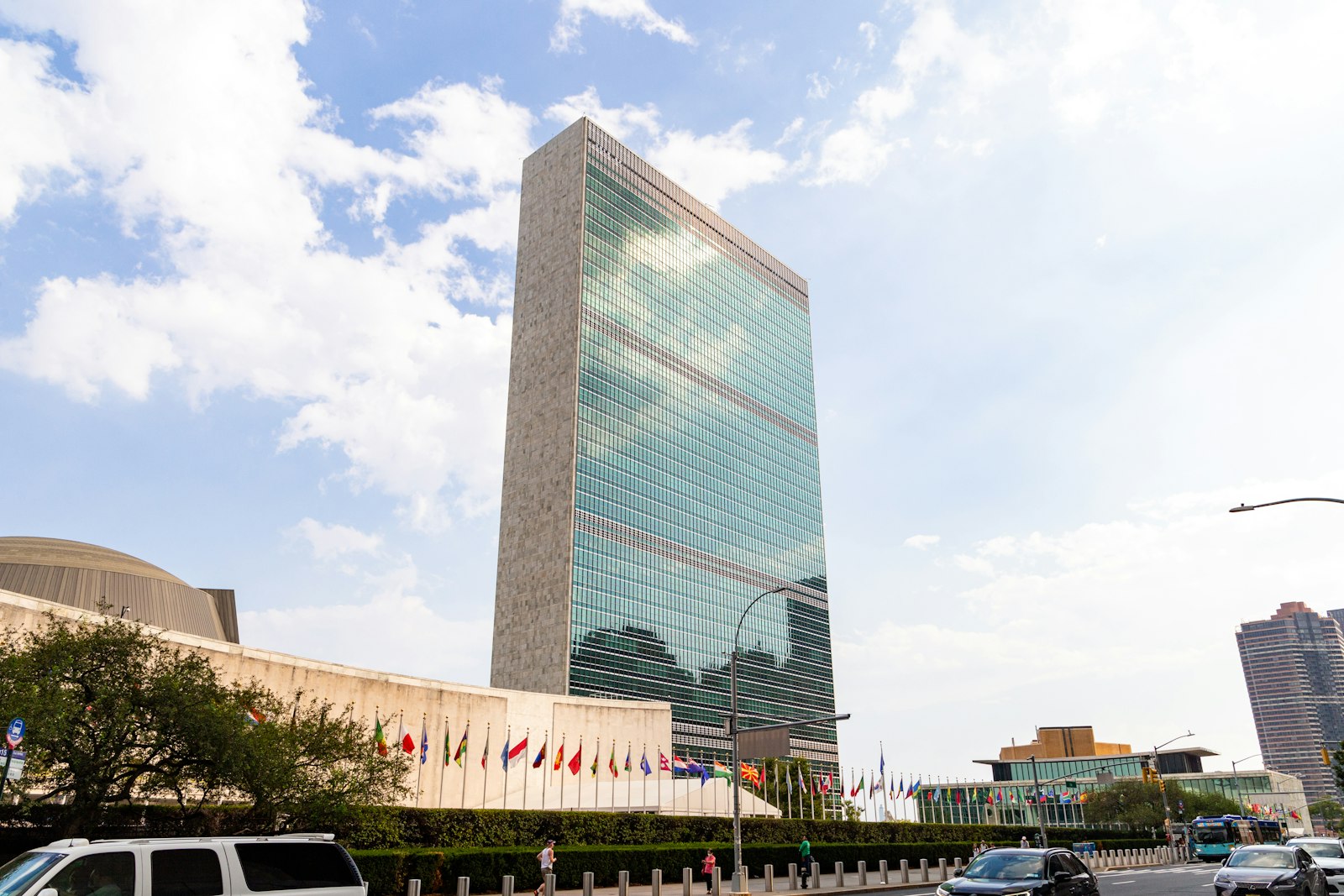
UN Deputy Secretary-General Amina Mohammed highlighted her work in Afghanistan, the Democratic Republic of the Congo and Nigeria, as well as her advocacy for a woman to lead the United Nations at the end of António Guterres's term, which expires on 31 December 2026.
From the classroom to the highest offices of state
Born on 3 November 1955 in KwaZulu-Natal, Phumzile Mlambo-Ngcuka began her career as a teacher in the early 1980s before turning to civil society work. She worked notably in Geneva for the World Young Women's Christian Association (YWCA), where she was responsible for programmes for young women, and later for non-governmental organisations in South Africa.

With the end of apartheid, she entered Parliament in 1994 for the African National Congress (ANC). Deputy minister of trade and industry from 1996 to 1999, she then became minister of minerals and energy from 1999 to 2005, a strategic portfolio in a country whose economy relies heavily on mining. In June 2005, President Thabo Mbeki appointed her deputy president of the Republic, a post she held until September 2008. She was the first woman to hold the office.
Eight years at the helm of UN Women
In 2013, then UN Secretary-General Ban Ki-moon chose her to lead UN Women, the United Nations entity created three years earlier to promote gender equality. Succeeding Chile's Michelle Bachelet, she served as under-secretary-general for two terms, until August 2021. Her name remains associated with the HeForShe campaign, which called on men to commit publicly to equality.

After leaving New York, she remained an influential figure on the African stage. In 2022, she was part of the African Union mediation team in the talks between the Ethiopian government and the Tigray People's Liberation Front (TPLF), which led to the cessation of hostilities agreement signed in Pretoria on 2 November 2022. She was also chancellor of the University of Johannesburg.
Holder of a doctorate on the use of mobile technology in teacher training, she often championed girls' education as a driver of development. Her death deprives the continent of a respected voice on gender issues. No details had been released on Sunday about the date and place of the funeral.


Comments
Loading comments…