

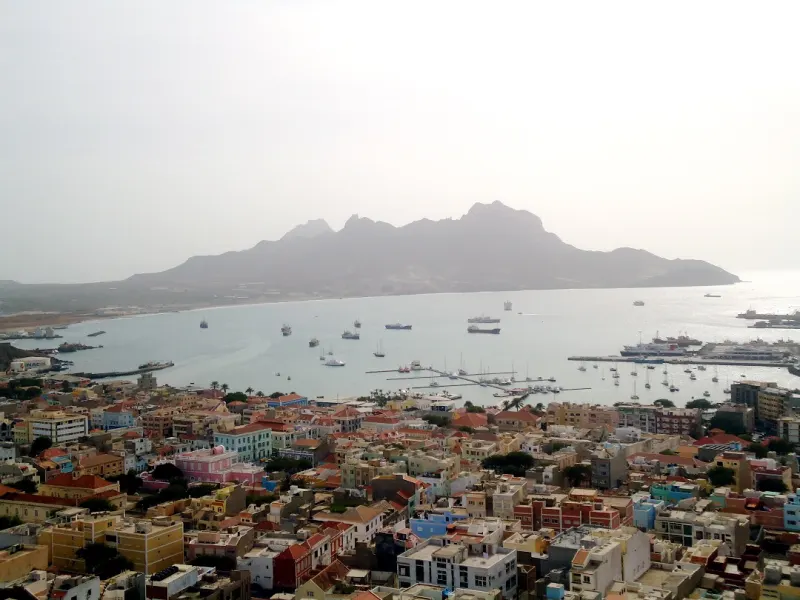
Cape Verde has once again confirmed its reputation as a peaceful democracy in West Africa. The incumbent president, José Maria Neves, was re-elected in the first round of the presidential election held on Sunday 15 November 2026, with 63.8% of the vote, according to provisional results. The final results are due to be announced by the National Elections Commission in the coming days.
Backed by the African Party for the Independence of Cape Verde (PAICV, left), which won the May 2026 legislative elections, the head of state finished well ahead of his main opponent, Joana Rosa Amado, a lawyer and former justice minister, who was credited with 31.4% of the vote. She was the candidate of the Movement for Democracy (MpD, centre-right), the main opposition party.
Defeat conceded without delay
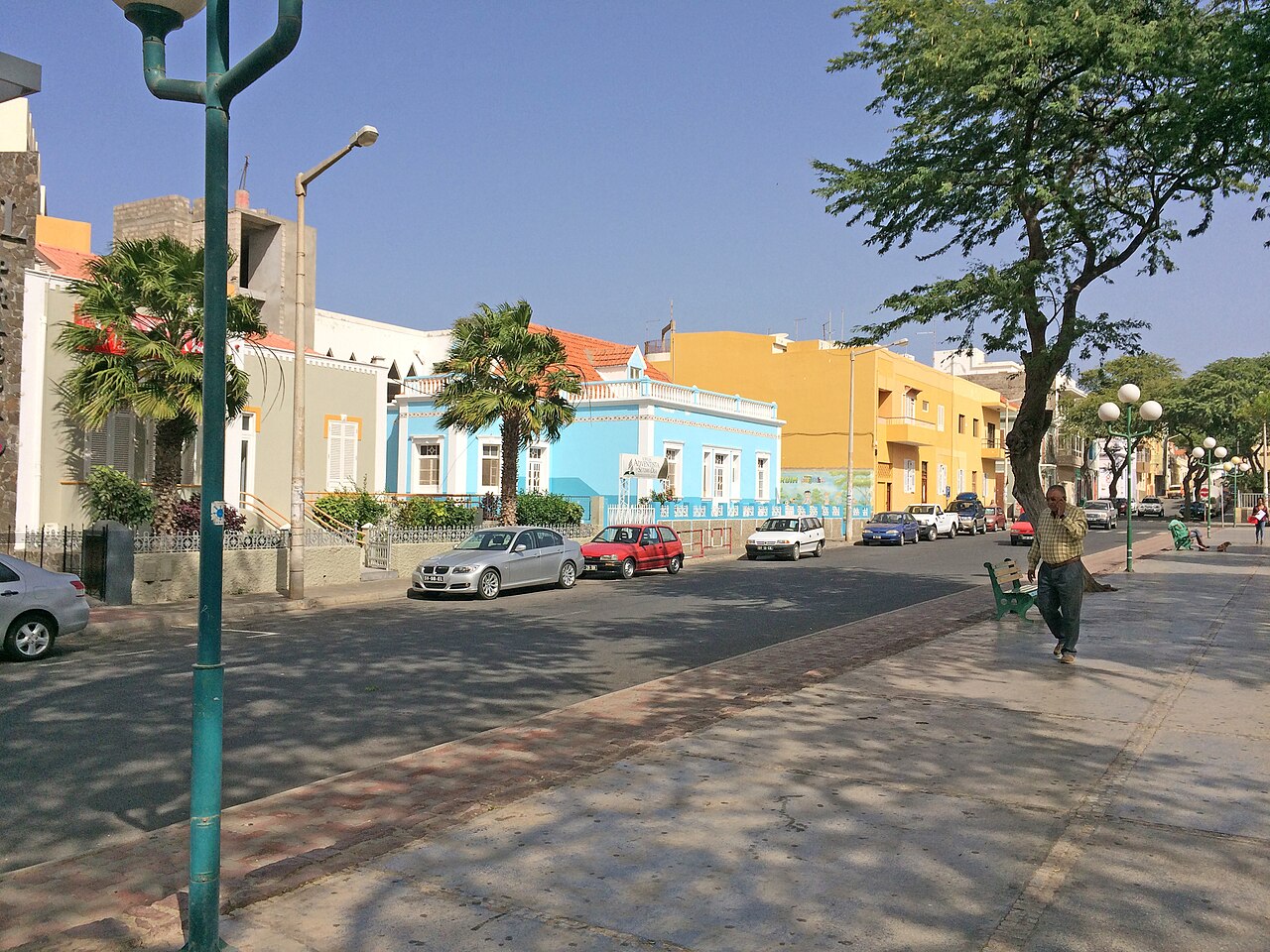
In a sign of the maturity of Cape Verde's political system, Joana Rosa Amado conceded defeat on Sunday evening, without waiting for the final results to be announced. No significant incidents were reported during polling or the count. None of the other candidates contested the outcome.
In his first statement after his victory, José Maria Neves pledged to continue defending “freedom, democracy and the rule of law”. He also called for more inclusive growth capable of raising wages and reducing poverty, and urged his country to remain a voice for peace, multilateralism and international law.
Abstention, the election's weak spot
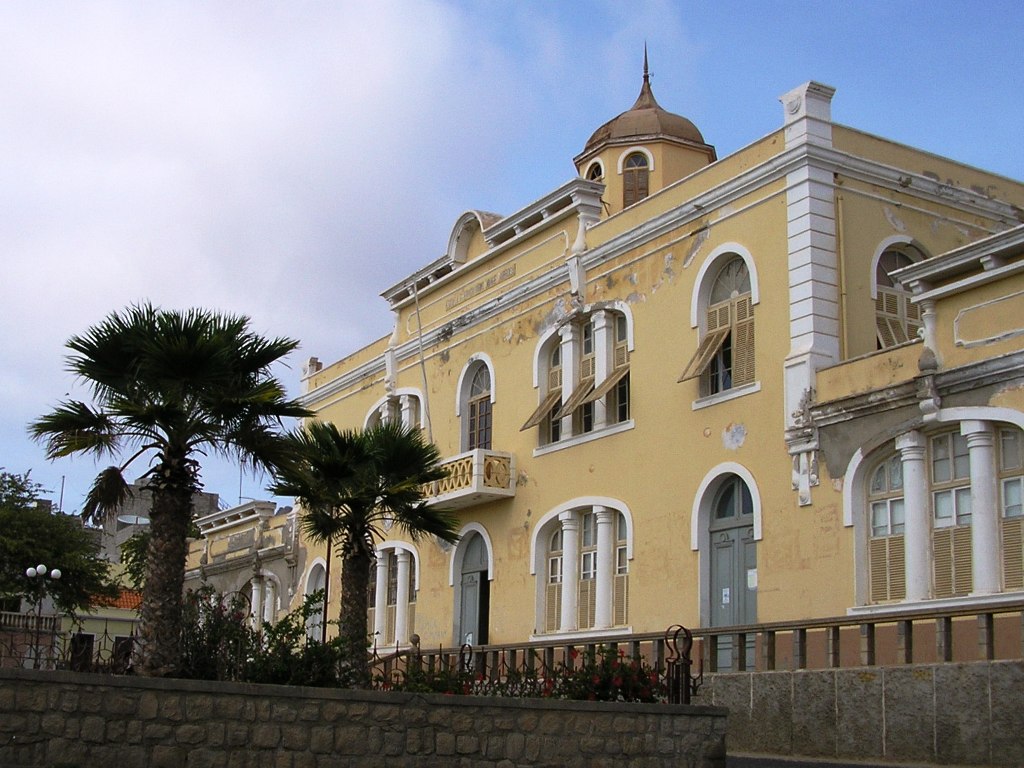
The main lesson of this election, however, remains low voter mobilisation. Of around 419,000 registered voters, abstention is estimated at 68%, meaning barely a third of the electorate turned out. The re-elected president himself acknowledged the problem, attributing it partly to the high mobility of the population, and proposed modernising the electoral system, notably by introducing electronic voting. He called on all political actors to tackle this lack of interest.
The issue is all the more sensitive given that the Cape Verdean diaspora, mainly based in the United States and Portugal, is roughly three times larger than the archipelago's population, estimated at some 550,000. These citizens abroad were also called to the polls.
A president as arbiter in a semi-presidential system
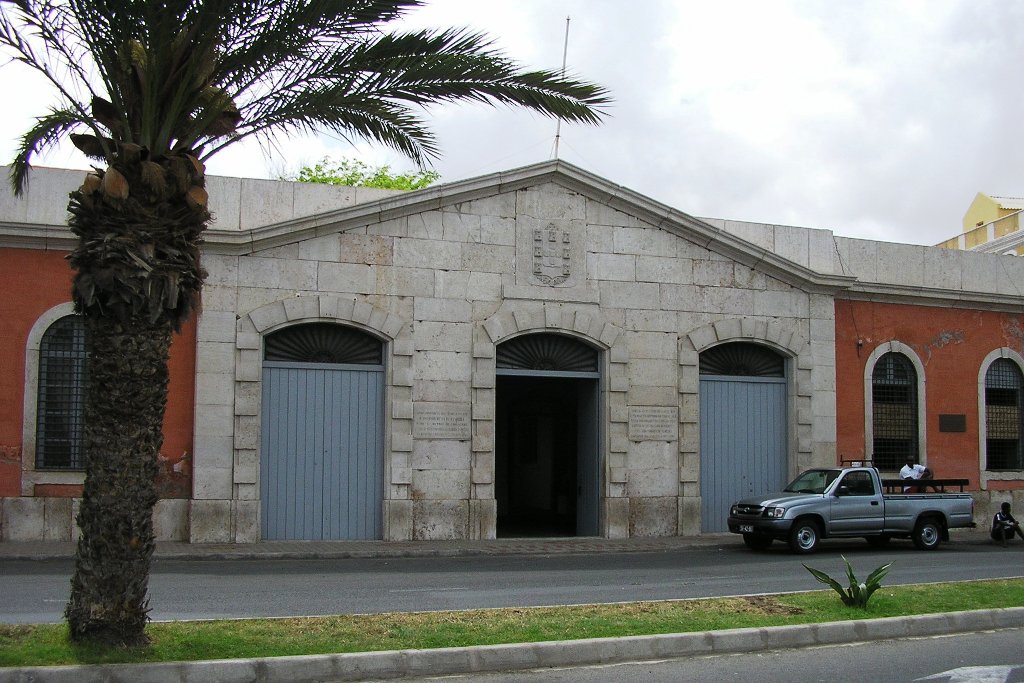
In Cape Verde, most executive power lies with the prime minister, drawn from the parliamentary majority. The president acts as an arbiter and guarantor of the constitution and national unity; he appoints the head of government based on the results of the legislative elections and represents the country abroad. A former mayor, member of parliament and PAICV leader, José Maria Neves himself headed the government from 2001 to 2016 before being elected president in 2021.
Made up of ten volcanic islands some 600 kilometres off the coast of Senegal, the archipelago is classed as an upper-middle-income country. It nevertheless faces major challenges: youth unemployment, social inequality, the high cost of links between the islands and rising fuel prices, which are weighing on the cost of living.
In a sub-region where several recent elections have been marred by disputes, postponements or tensions, Cape Verde's vote stands out as an exception: a poll without violence, results quickly accepted and alternation of majorities that has become routine. The re-elected president's next challenge will be to reconcile part of the population, particularly young people, with the ballot box.


Comments
Loading comments…