

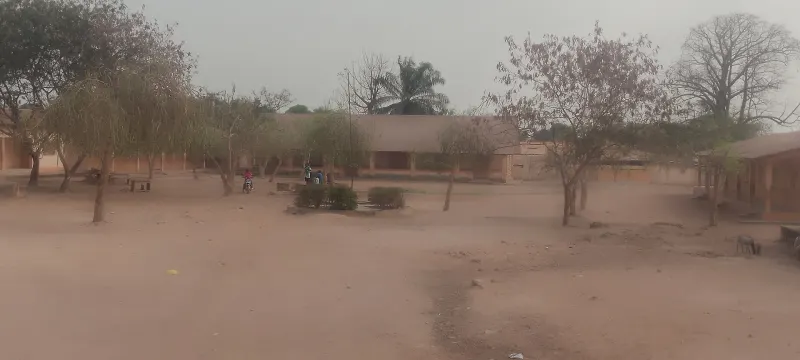
The halt to illegal gold panning in the Siguiri area, ordered in early November 2026 by the Guinean authorities in the name of environmental protection, is now having an impact far beyond Upper Guinea. In Forest Guinea, several localities have for days been receiving a stream of men, women and entire families who had left the region to try their luck in the artisanal gold mines.
In Kissidougou, an overwhelmed bus station
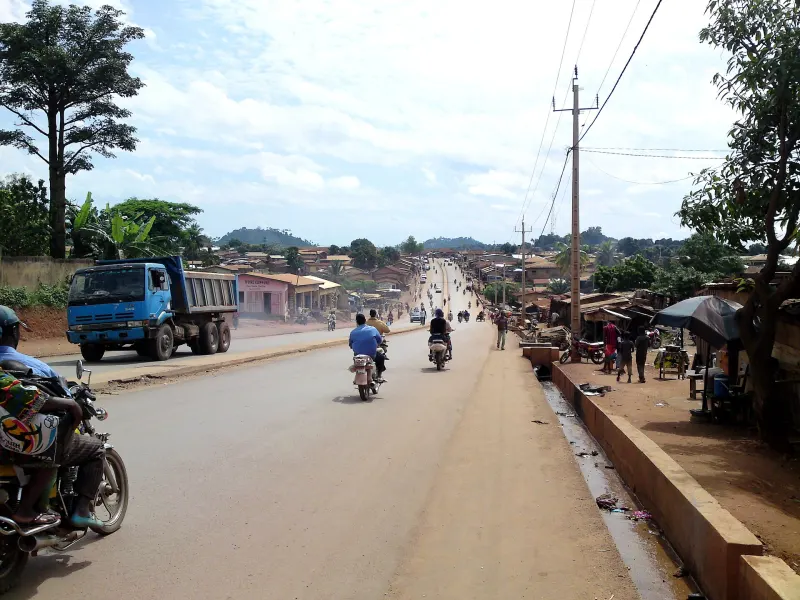
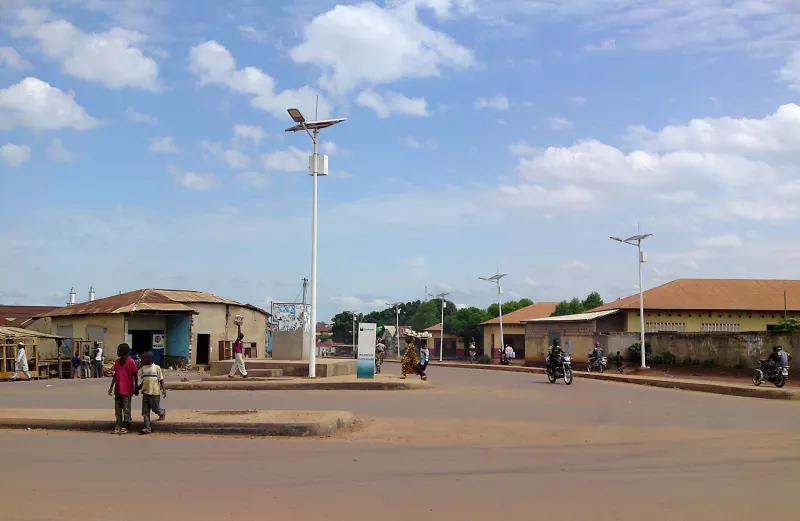
At the Kissidougou bus station, the gateway to the Forest region for travellers coming from the north-east, the coming and going has been constant since the middle of the month. More than thirty vehicles a day drop off passengers from Siguiri and its surroundings: tipper trucks, tarpaulin-covered vehicles, minibuses and private cars. Many arrive with mattresses, beds, chairs and bags piled up, in vehicles that are often overloaded. Some of the travellers stay in Kissidougou; others continue on to Guéckédou, N'Zérékoré and other localities in the region.
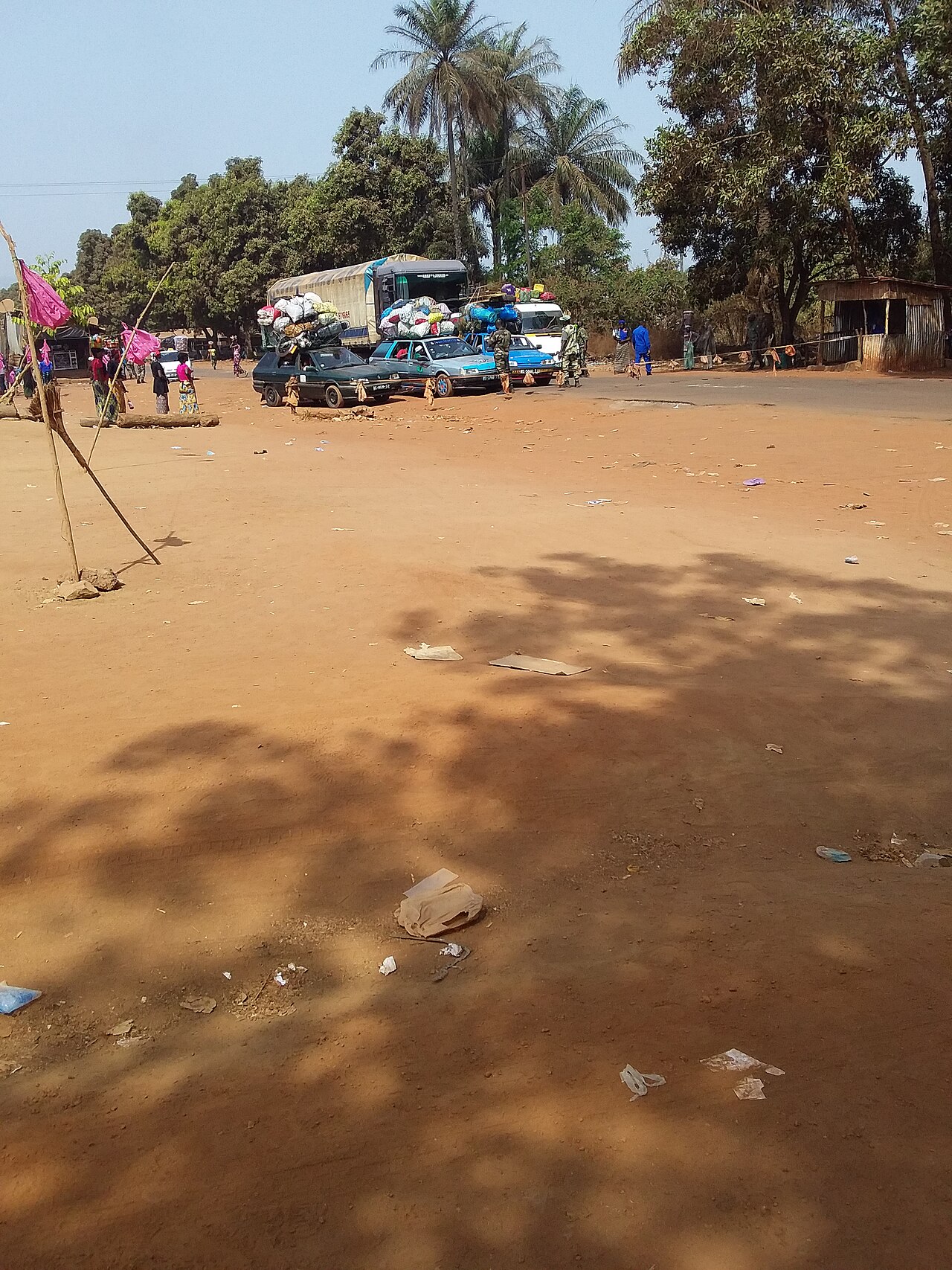
On the ground, feelings are mixed. Some parents approve of the ban on illegal gold mining, while asking the authorities to facilitate everyone's return, including relatives who are said to be in detention. Other residents fear that young people who have come back penniless will struggle to reintegrate, and are urging families to be vigilant. Several returnees say they have lost everything, some having left their savings behind, including contributions to tontines.
The local economy is also feeling the shock. Women traders who supplied mine workers, notably with rice, say they lost their main customers overnight. For these small businesses, the abrupt closure of the sites has meant an immediate drop in turnover.
In Beyla, the Red Cross warns of displaced people's precarious situation
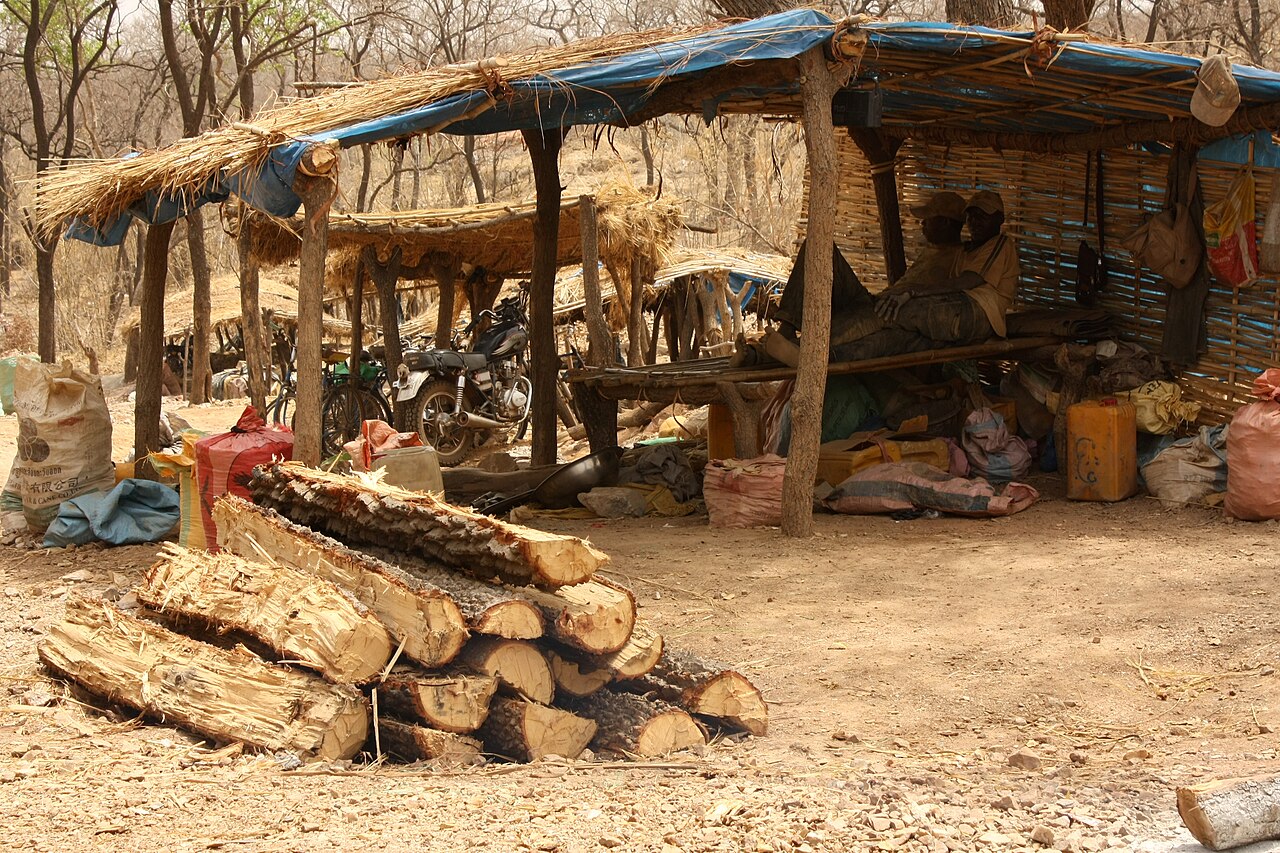
Further east, in Beyla Prefecture, humanitarian workers consider the situation worrying. On 19 November, the prefectural branch of the Guinean Red Cross carried out a census and needs assessment in Koulakomoussadou and Kökouna, two villages hosting hundreds of people from various mining sites. According to its prefectural president, Abraham Doua Camara, many of the new arrivals have neither shelter nor food: some are sleeping in the open, others in mosques, and water points are insufficient. He appealed to the authorities and partners for help.
Host communities, meanwhile, are seeing their burden grow. An elder in one of the localities visited called for state support, while a representative of the displaced explained that these men and women had left to find the means to help their families and now intended to return to farming, provided they receive support. The priority needs identified are food, shelter and drinking water.
A reintegration challenge for the region
These returns come amid tension around the Siguiri gold-bearing area, where the halt to activities was followed by violence in Kintinian and the Bouré, then a gradual return to calm. Thousands of foreign gold panners have also left the country, mainly for Mali, and legal proceedings have been brought against former territorial administrators in the area.
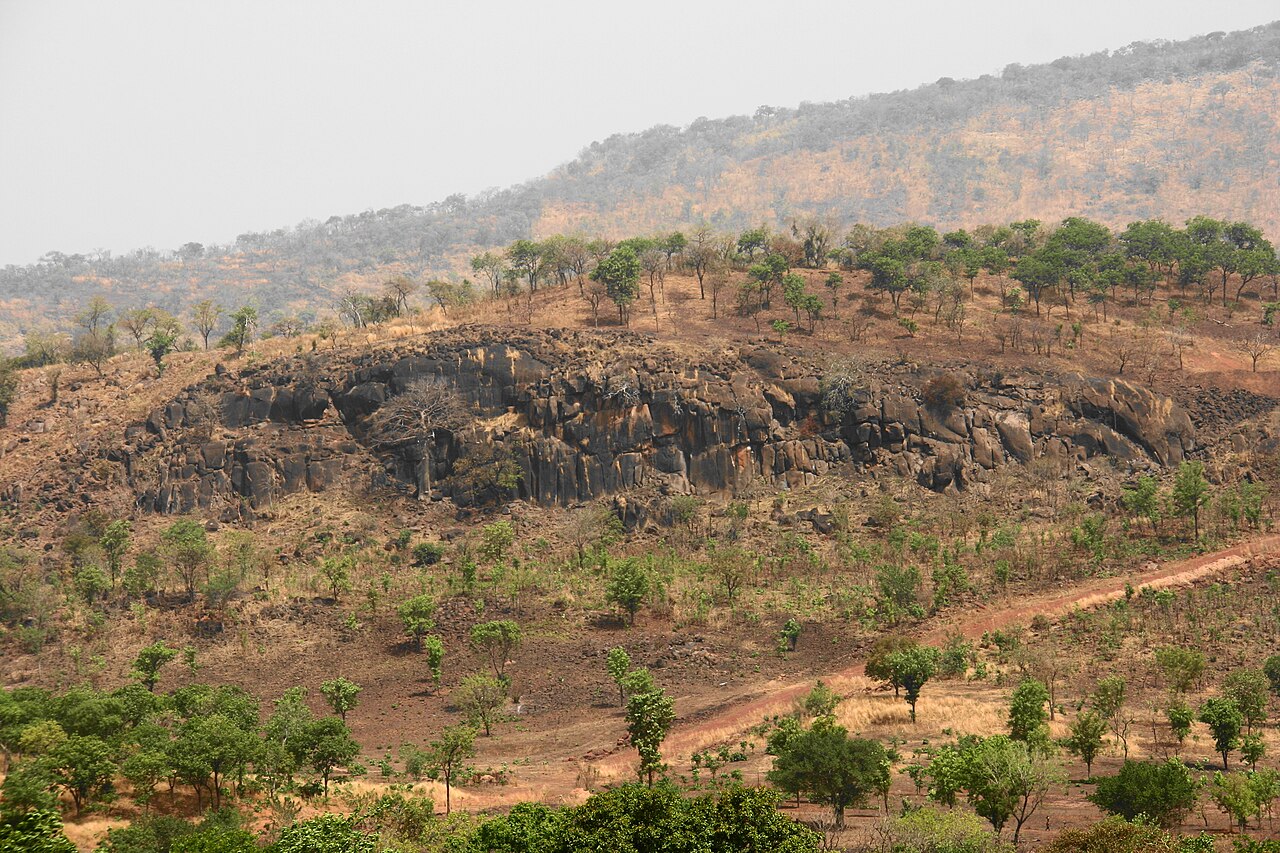
For Forest Guinea, the challenge now is to absorb this influx of returnees, often young and destitute, into a local economy based on agriculture — rice, coffee, cocoa, oil palm — and small-scale trade. The return to the land mentioned by some of the displaced could offer a way forward, provided that seeds, tools and access to land follow. No specific support measures for the region had been announced by the authorities to date.
Comments
Loading comments…