

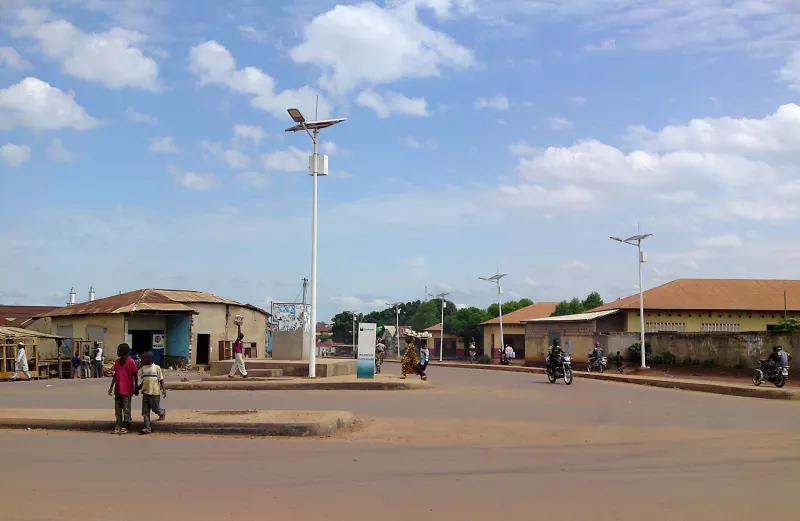
Forest Guinea has been experiencing a heat episode that is unusual for the season since Saturday. The National Meteorological Agency (ANM) issued an alert bulletin late on the afternoon of Friday 20 November, forecasting 'moderate to locally severe' heat from Saturday 21 to Wednesday 25 November at 11pm. Two regions are affected: Forest Guinea and Lower Guinea, including Greater Conakry.
The bulletin rates the episode at a moderate severity level, with a degree of certainty judged probable. It does not set a temperature threshold for each locality, but stresses one point: the heat is expected to persist both day and night, limiting the night-time cooling on which residents of the forest prefectures usually rely.
Warmer nights, greater risk for the most vulnerable
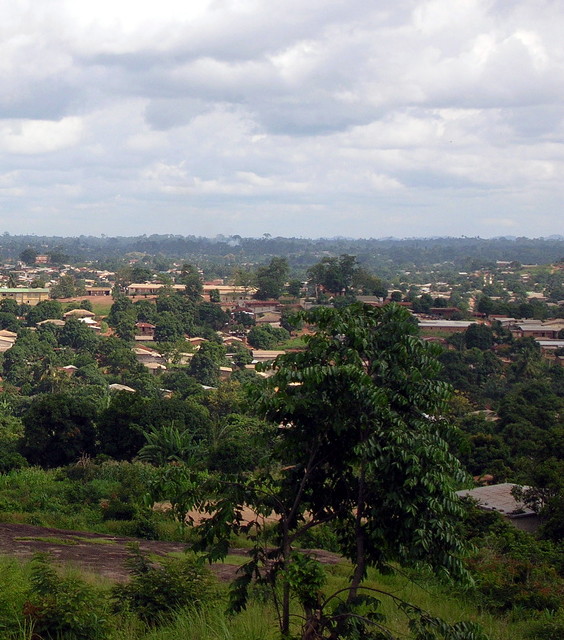
In N'Zérékoré, Macenta, Guéckédou, Kissidougou, Lola, Yomou and Beyla, the relative coolness of the nights usually brings respite after humid days. When temperatures remain high after sunset, the body struggles to recover, and the risk of heatstroke and dehydration increases. Meteorological and civil protection services consider this health risk very high for the elderly, infants, young children and people with chronic illnesses.
The recommendations issued with the alert are simple: drink water regularly without waiting until you are thirsty, avoid strenuous physical exertion during the hottest hours of the day, wear light, loose clothing and check on vulnerable people around you, particularly those who live alone.
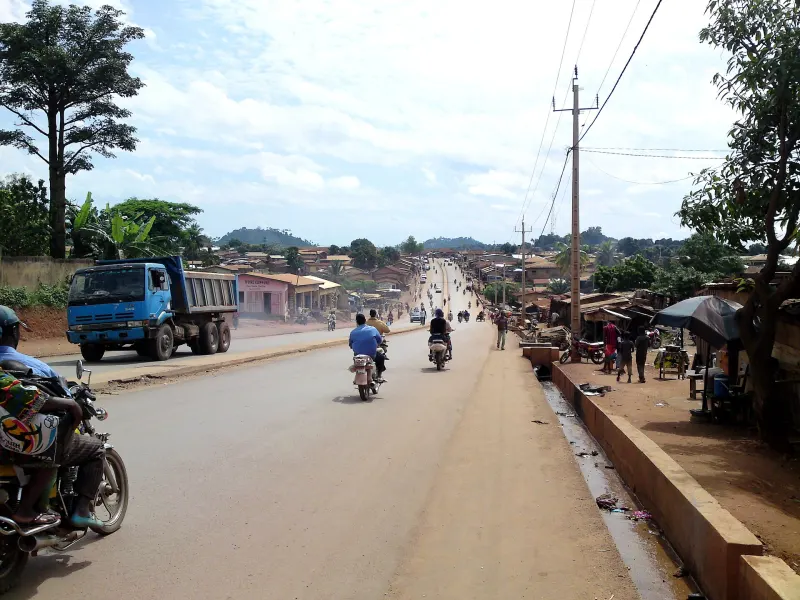
This advice directly concerns the many workers exposed to the sun in the region: farmers on coffee and cocoa plantations and in rice fields, motorcycle taxi drivers, market traders and labourers on road construction sites. For them, moving the most arduous tasks to early morning or late afternoon and taking more breaks in the shade can make all the difference.

Electricity demand expected to rise
The ANM also warns that the thermal discomfort is likely to translate into strong demand for electricity in households, with peak consumption expected over the period. Fans, air conditioners and refrigerators will run more, at a time when several neighbourhoods in the forest towns already have an irregular supply. Limiting unnecessary use can help reduce pressure on the grid.
The alert comes just a few days after a previous heat episode reported by the ANM, which ran until 18 November. The end of the year marks the transition to the dry season in Guinea, a period during which temperature variations and dry air become more pronounced, before the arrival of the harmattan.
Certain signs should raise the alarm: extreme fatigue, headaches, dizziness, nausea, hot and dry skin or confusion. If such symptoms appear, the person should be moved to a cool place, given water if conscious and taken to see a doctor without delay.
Unless the ANM announces an extension, the alert will end on Wednesday 25 November at 11pm.
Comments
Loading comments…