

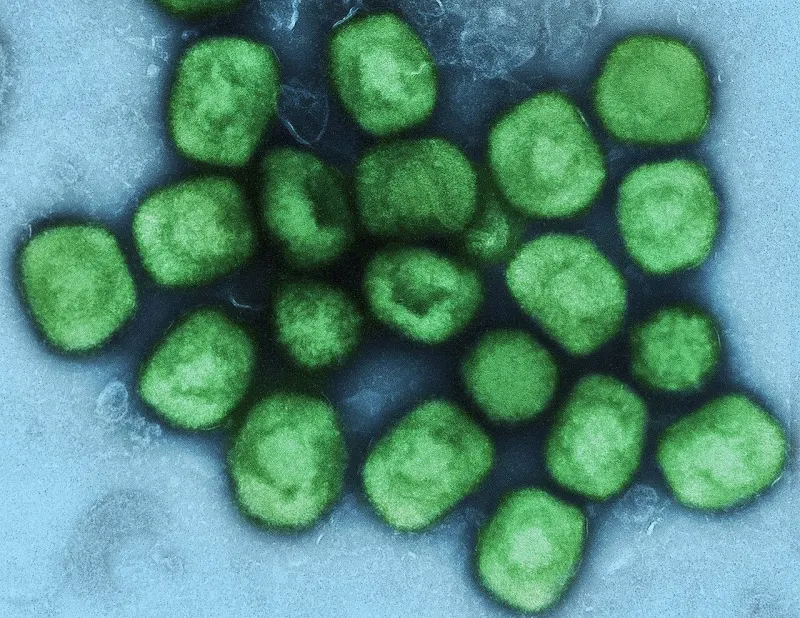
Guinea is turning a page on a health crisis. The government has officially declared the end of the mpox outbreak across the entire national territory. The announcement was made on Thursday 19 November 2026 by the Ministry of Health and Public Hygiene, in a statement read by Minister Khaïté Sall and broadcast on national television. The declaration takes effect from 17 November 2026.
The decision follows a 42-day surveillance period, equivalent to two full incubation periods of the disease, during which no new cases or new chains of transmission were recorded. This is the criterion used by the World Health Organization (WHO) to consider an mpox outbreak over in a country.
An outbreak that began in Forest Guinea

The story of this outbreak began in Forest Guinea. It was in the Macenta prefecture that a first case was confirmed in September 2024, prompting the authorities to declare an outbreak. In the following months, the virus spread to other parts of the country, particularly the capital, where population density fuelled transmission.
2025 was the most difficult year. In a report published in December 2025, the WHO counted 1,736 confirmed cases in Guinea as of 23 November 2025, including six deaths. The communes of Ratoma and Matoto, in Conakry, were then among the hardest hit. The disease, long confined to a few hotspots in Central Africa, had by then taken hold in several West African countries, including neighbouring Sierra Leone.
A long-running response
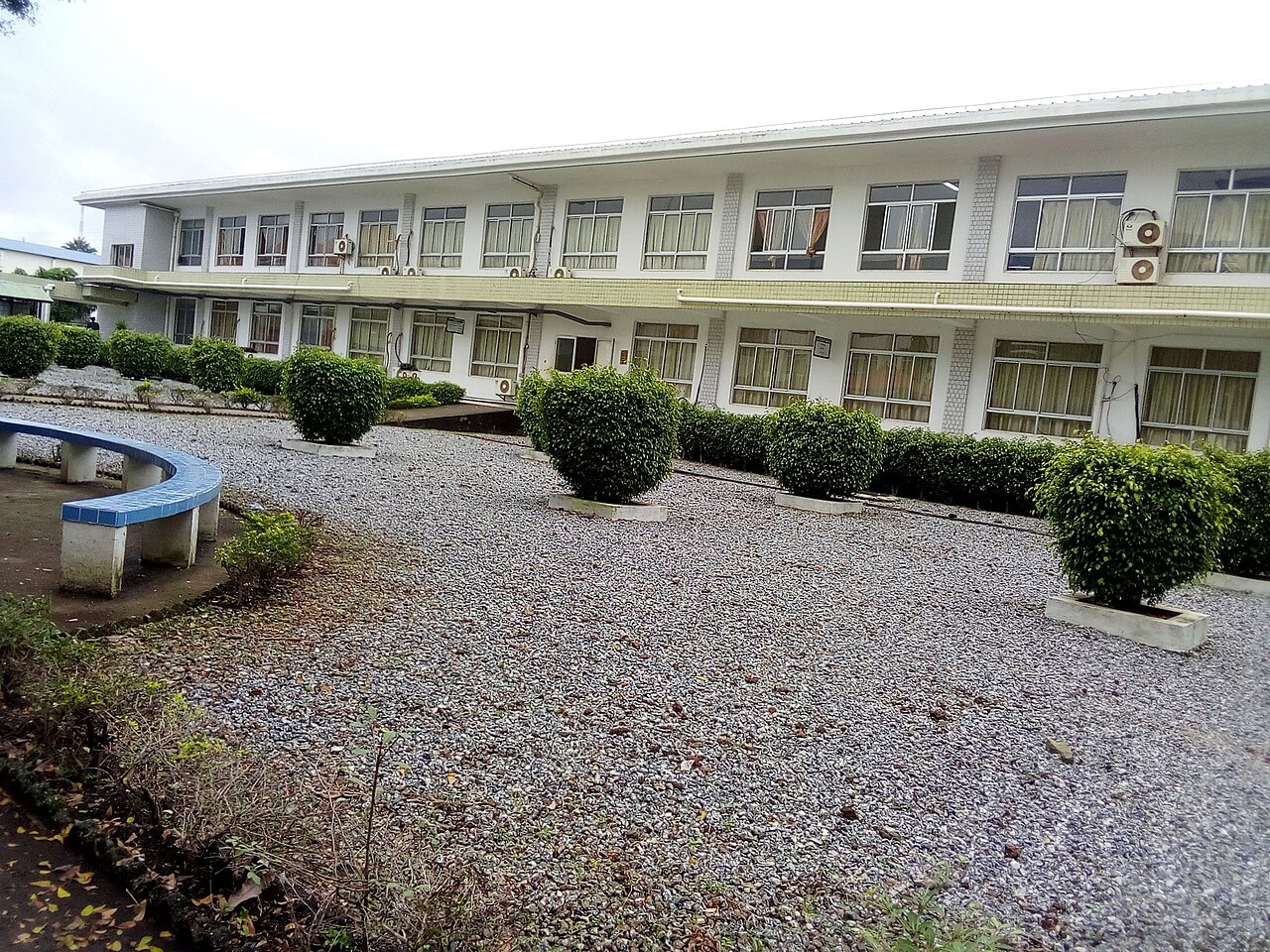
To contain the spread, the Ministry of Health, the National Agency for Health Security (ANSS) and their partners, including the WHO, mounted a response on several fronts: tracing and monitoring the contacts of infected people, isolating and treating patients, awareness campaigns in neighbourhoods and vaccinating exposed people. The disease's fatality rate remained low in Guinea, with the vast majority of patients recovering.
Mpox is a viral disease transmitted mainly through direct and prolonged contact with an infected person, particularly with their skin lesions, or with contaminated objects. Symptoms include fever, muscle aches, swollen lymph nodes and a characteristic skin rash. Most patients recover within two to four weeks, but severe forms remain possible in vulnerable people.
Vigilance remains essential
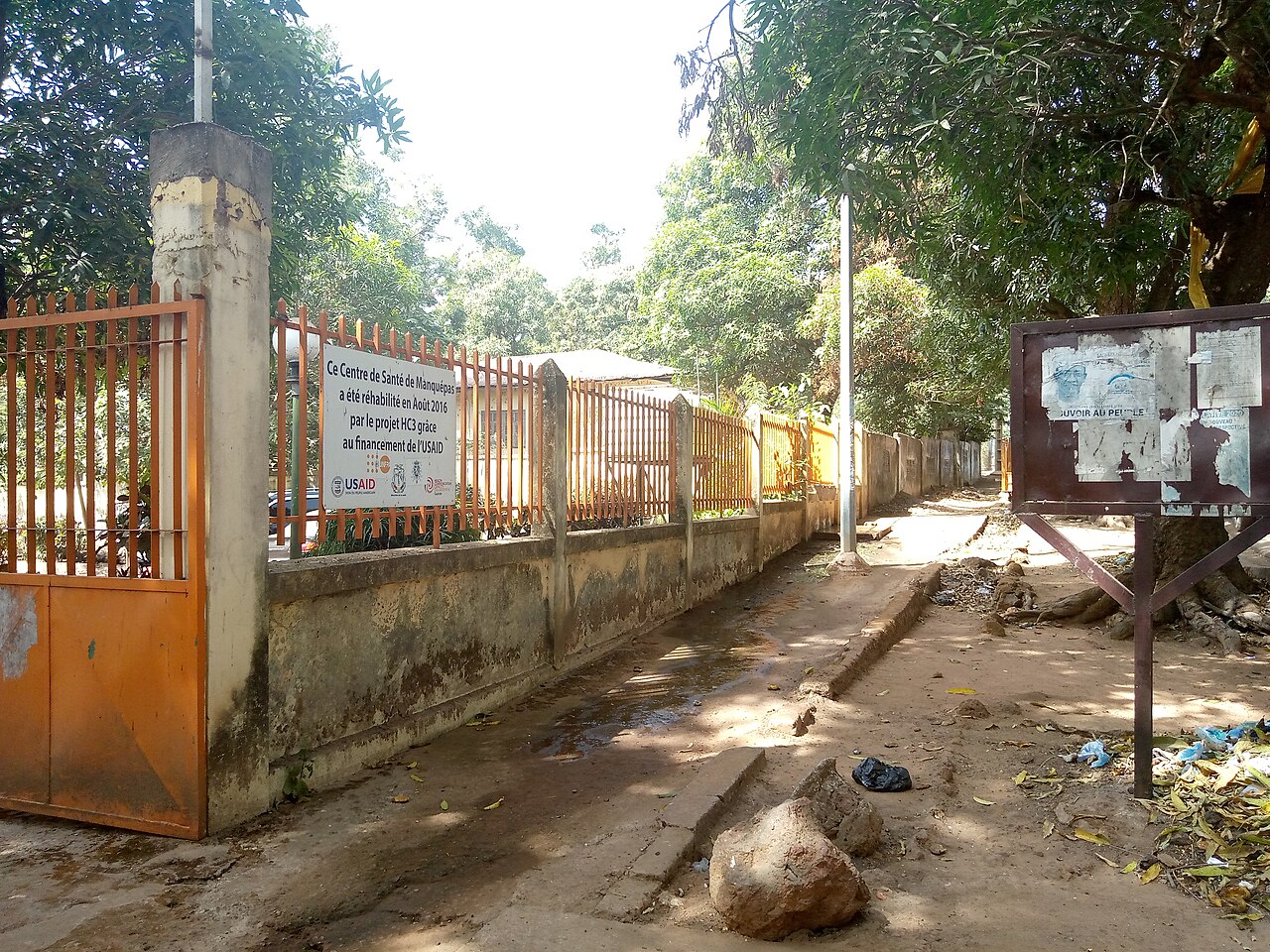
For the authorities, the end of the outbreak does not mean the end of surveillance. The health minister stressed that it is the outbreak response that is ending, not vigilance. Health centres and district teams must continue to report any suspected case in order to quickly detect any reintroduction of the virus, as the disease is still circulating in several countries in the sub-region.
The public is urged to keep up preventive measures, in particular regular handwashing and avoiding close contact with anyone showing skin lesions. Anyone with suggestive symptoms is asked to go to the nearest health facility or call the toll-free number 115.
The announcement adds to Guinea's efforts to strengthen its health alert system, tested in recent years by several epidemics, particularly in Forest Guinea, a region bordering Liberia and Sierra Leone that is regularly exposed to diseases with epidemic potential.




Comments
Loading comments…