


The court of first instance (TPI) in Coyah delivered its verdict on Friday 20 November 2026 in the case against Guinean artist Jack Woumpack, whose real name is Jacques Gbignamou. He was sentenced to 24 months' imprisonment, 18 of them suspended, meaning six months to be served behind bars.
The artist faced several charges: racial or ethnic insult, spreading unsubstantiated or false news by means of a computer system, and disseminating, by the same means, data liable to harm others. The prosecution had sought a heavier sentence of three years without suspension.
Videos that went viral
The prosecution follows videos posted on social media, notably Facebook, and widely shared in recent weeks. In one of them, the artist attacked a community, denouncing what he portrayed as a system in which community membership granted access to privileges. Another clip targeted the Minister of Foreign Affairs, whom he accused of refusing him a diplomatic passport he said he had been promised.
Known for presenting himself as close to those in power, Jack Woumpack had already drawn attention with controversial outbursts on social media. This is not his first conviction: in June 2023, the same Coyah court handed him a twelve-month suspended sentence for remarks deemed offensive to a community, after he pleaded guilty.
The courts confront online communal rhetoric
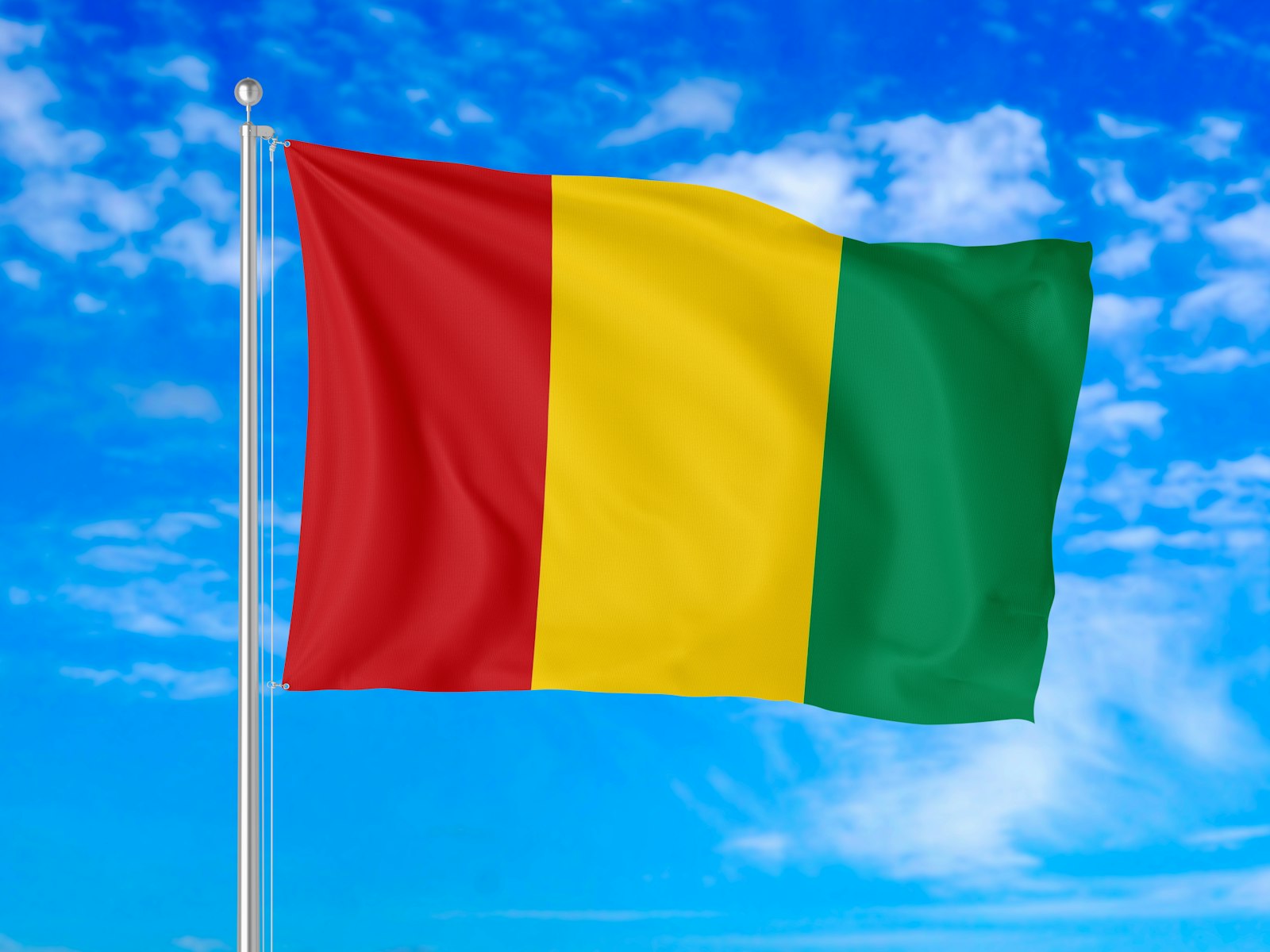
The ruling is part of a series of proceedings brought in recent months in Guinea against people who posted ethnically charged remarks online. The judicial authorities have repeatedly warned against content likely to stoke tensions between communities, in a country where social cohesion remains a sensitive issue, particularly at election time.
The timing gives the case added significance: Guinea is preparing for regional elections on 29 November, ahead of senatorial elections scheduled for 20 December. Campaign periods often see messages with communal overtones circulating on social media, which the courts now intend to punish more firmly.

A message to content creators
Beyond the artist's case, the judgment is a reminder that the penal code and cybersecurity legislation apply fully to posts on Facebook, TikTok or WhatsApp. The issue in cases of this kind is not to restrict artists' freedom of expression, but to draw a clear line between criticism, however virulent, and remarks that stigmatise a group because of its origin.
The defence has a statutory period in which to lodge an appeal. At the time of publication, no statement from the artist or his lawyers about a possible appeal had been made public.





Comments
Loading comments…