

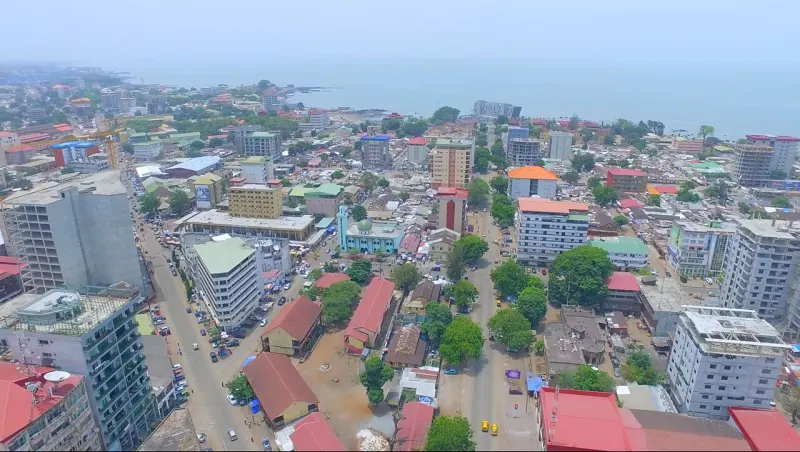
How can health insurance or a pension be offered to a market trader, an artisan or a farmer who has neither a payslip nor an employer? That is the question at the heart of the international seminar opened on Monday 16 November 2026 in Conakry by Prime Minister Amadou Oury Bah. Organised with the Inter-African Conference on Social Security (CIPRES), the meeting brings together representatives of 18 member states until 19 November.
Over four days, delegations are to share national experiences, compare social protection policies, financing mechanisms and inclusion strategies, and then draw up concrete recommendations for extending coverage to workers in the informal economy and in rural areas.
Coverage still very low
Figures presented at the opening illustrate the scale of the challenge. According to the International Labour Organization (ILO), only one person in five in Africa receives at least one social protection benefit, and the coverage rate barely exceeds 10% in the CIPRES zone. Self-employed workers account for more than 80% of the employed working population there, and most work in the informal sector, said Sani Mahaman, chairman of the CIPRES social security supervisory commission.
Samira Daoud, representing the ILO Regional Office for Africa, championed social protection as a fundamental right and an investment in human capital. She called for a two-pronged approach: a national social protection floor for all, followed by a gradual expansion of benefits, stressing the importance of political will, sustainable financing and social dialogue.
Guinea bets on "pick-and-choose" membership
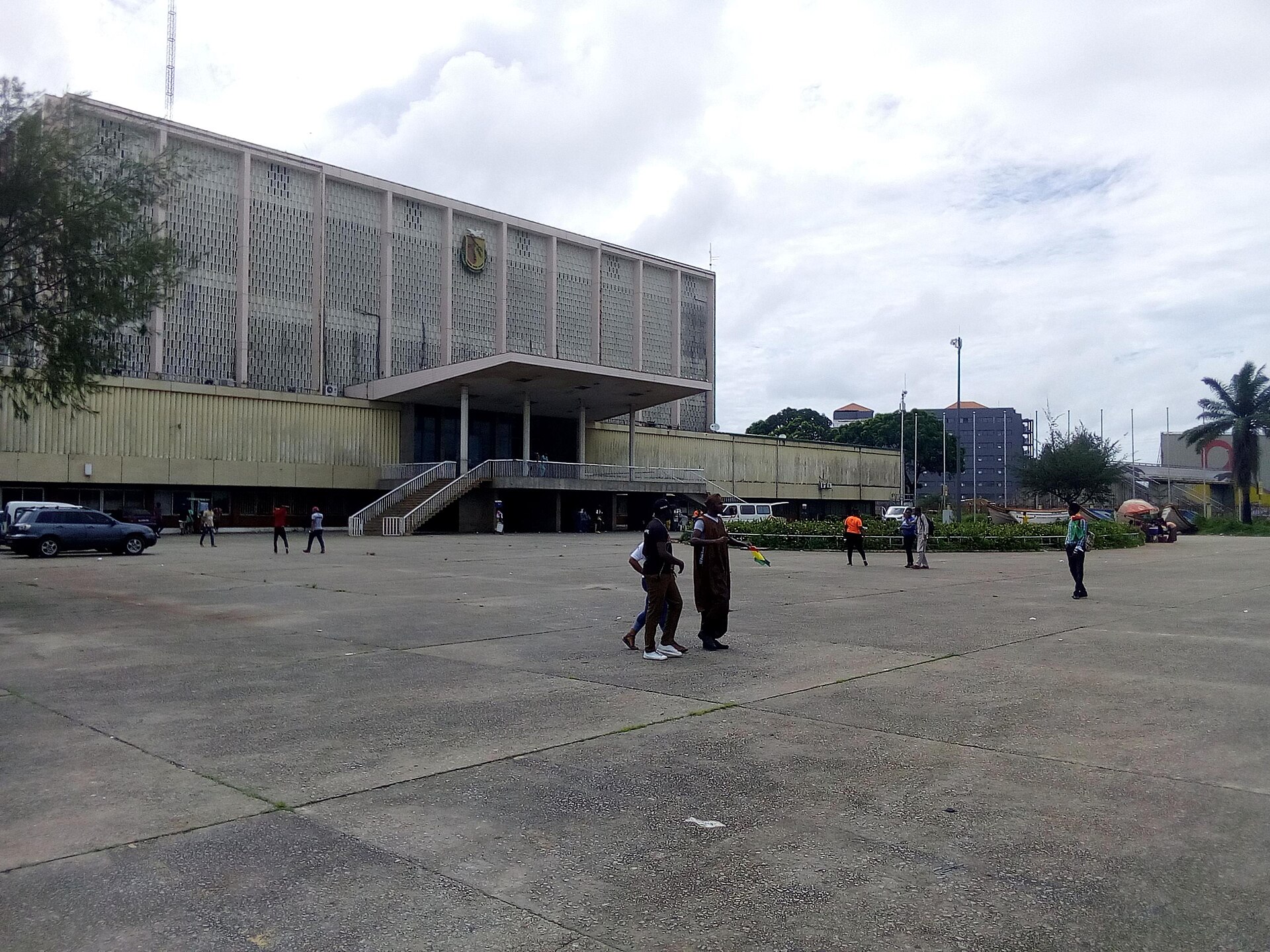
The director general of the National Social Security Fund (CNSS), Bakary Sylla, presented Guinea's approach. An actuarial study launched in 2023 with the ILO identified the priority risks — sickness, old age and occupational hazards — and defined a contribution model suited to the different categories of workers. Field surveys carried out with the National Institute of Statistics show, he said, strong public interest in health and old-age coverage. The future scheme is designed to be flexible: each member will be able to choose the risks against which they wish to be covered.
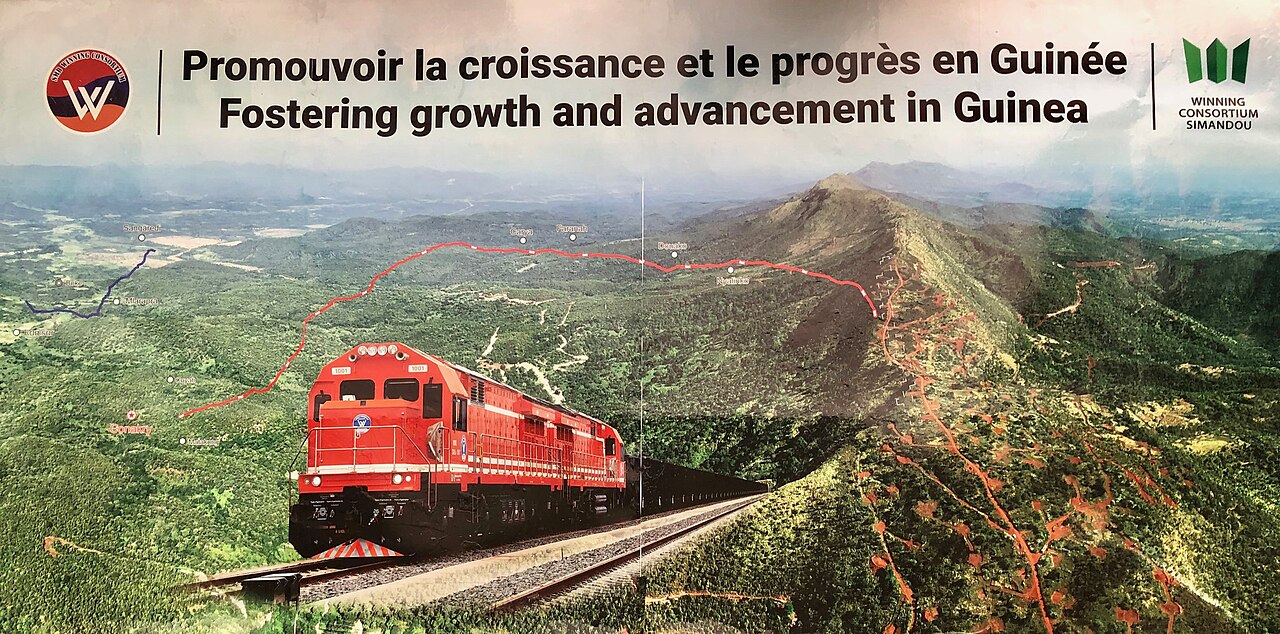
The Minister of Employment, Labour and Social Protection, Ramatoulaye Camara, outlined three priorities: overhauling the legal and institutional framework, with a revision of the Social Security Code and the drafting of a Social Welfare Code; extending coverage to the self-employed and informal workers through simplified registration; and protecting the thousands of employees on major projects, particularly the Simandou project, with an emphasis on preventing occupational hazards.
Contributions tailored to income
Opening the proceedings, the Prime Minister stressed the need to adapt mechanisms to the economic realities of workers in markets, the countryside and workshops. He noted that a single illness or accident can wipe out a whole family's savings, and called for contribution formulas that take irregular incomes into account. He expects the experts to come up with pragmatic, directly applicable proposals based on financial rigour, transparency and digital tools.
The seminar's conclusions, expected on 19 November, are to feed into the reforms under way in member states. For Guinea, the stakes are high: bringing into the social security system a large majority of the working population who are currently excluded from it.



Comments
Loading comments…