

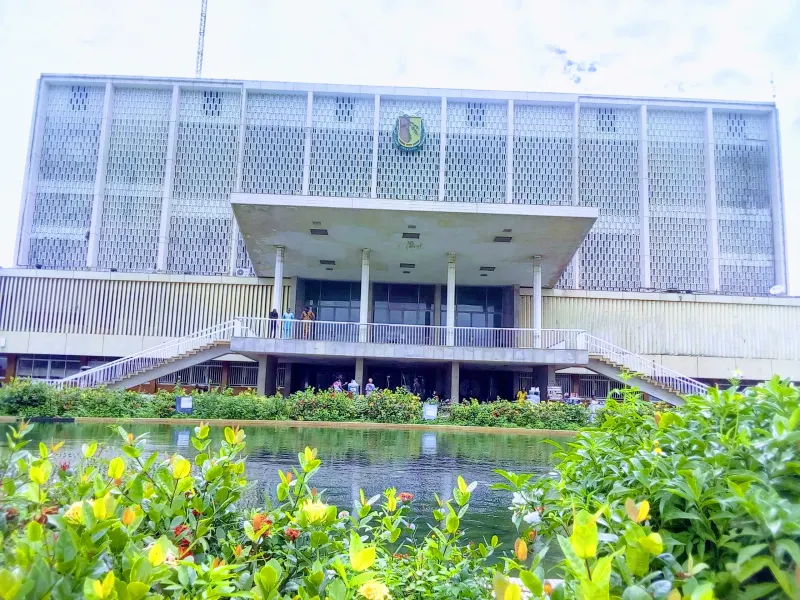
Members of the Guinean government will have to account for their actions before the public, live on state television. That is one of the main directives issued by the President of the Republic, Mamadi Doumbouya, at the Council of Ministers he chaired on Thursday 19 November 2026 in Conakry.
According to the readout presented by government spokesman Faya François Bourouno, from the beginning of 2027 each minister will have to appear on Radiodiffusion Télévision Guinéenne (RTG) to present the state of implementation of their department's projects and reforms. The head of state framed the exercise as a matter of accountability to the people of Guinea.
Precise figures required
The appearances must go beyond statements of intent. For each project in their sector that falls under the Simandou 2040 programme, the minister concerned will have to report three indicators: the physical implementation rate, the financial implementation rate and the expected completion date of ongoing works.
The President of the Republic stressed the quality of the information expected. The data presented must be precise, verifiable and set out in good faith, he demanded, according to the Council's readout. The aim is to allow Guineans to compare the commitments made with the results achieved on the ground.
Prime Minister to set the schedule
The practical organisation of these broadcasts falls to the Prime Minister, head of government. He will have to draw up the schedule under which members of the government will take turns on RTG from the beginning of next year. The exact format of the programmes and their frequency have not yet been specified.
The measure does not come as a complete surprise. The head of state had already announced the principle of ministers publicly accounting for their record in his New Year address to the nation. The Council of Ministers of 19 November now sets out its framework and timetable.
Simandou 2040 at the heart of the assessment
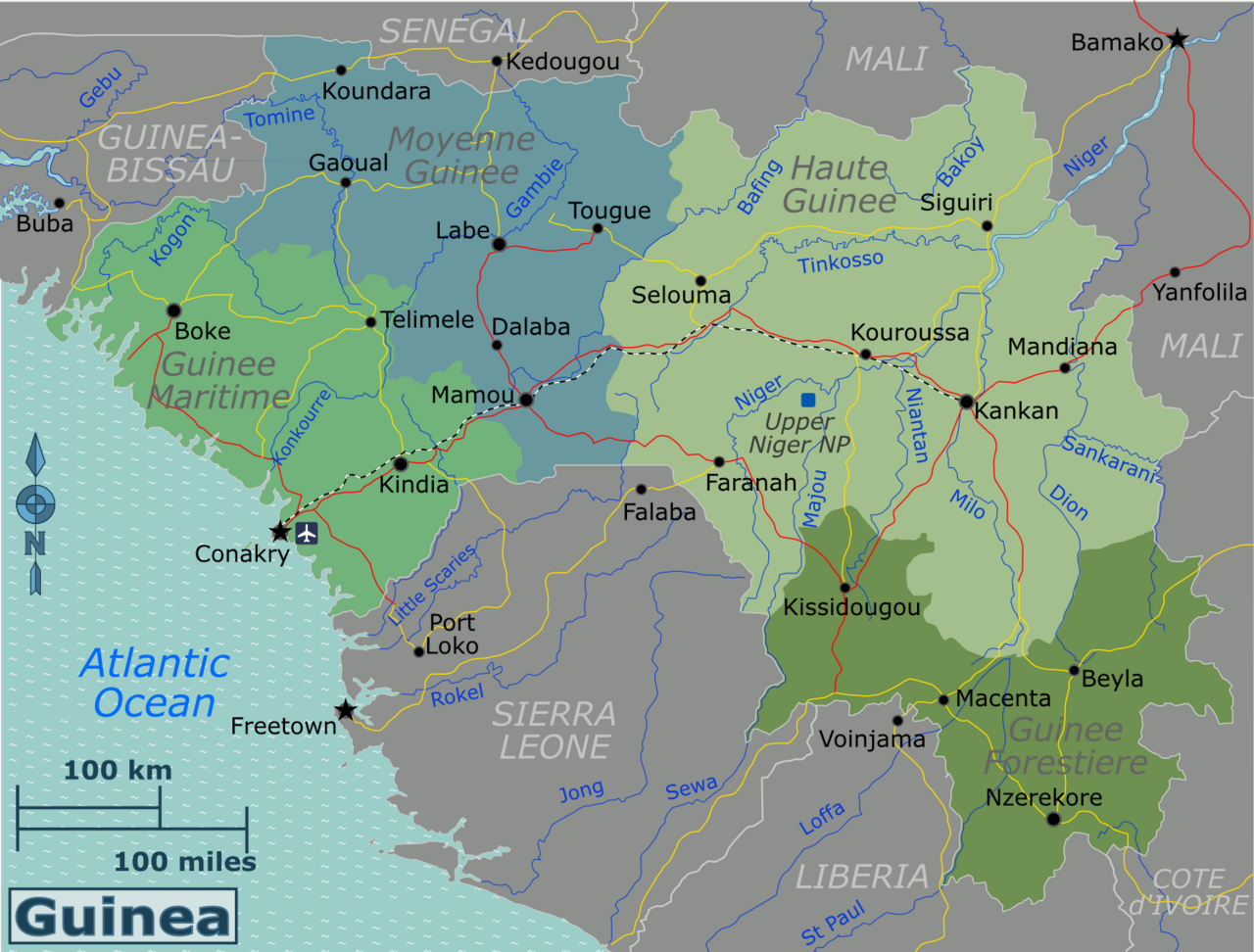
The decision to centre the exercise on Simandou 2040 is no accident. The development programme, built on the exploitation of the Simandou iron ore deposit in Forest Guinea, provides the framework for the state's major projects: infrastructure, energy, agriculture, education, health and local processing of resources. The authorities have made it the roadmap for public action over the next fifteen years.
For several months, President Doumbouya has been sending repeated signals to his government team, calling for closer monitoring of projects and respect for deadlines. The obligation to publicly present implementation rates in figures marks a further step: it exposes each department to the direct judgement of public opinion.
It remains to be seen how these reports will be presented and whether citizens, civil society or journalists will be able to question ministers on their figures. The credibility of the exercise will depend largely on the ability to verify on the ground the actual progress of the announced projects, from Conakry to the prefectures of the interior.
Comments
Loading comments…