

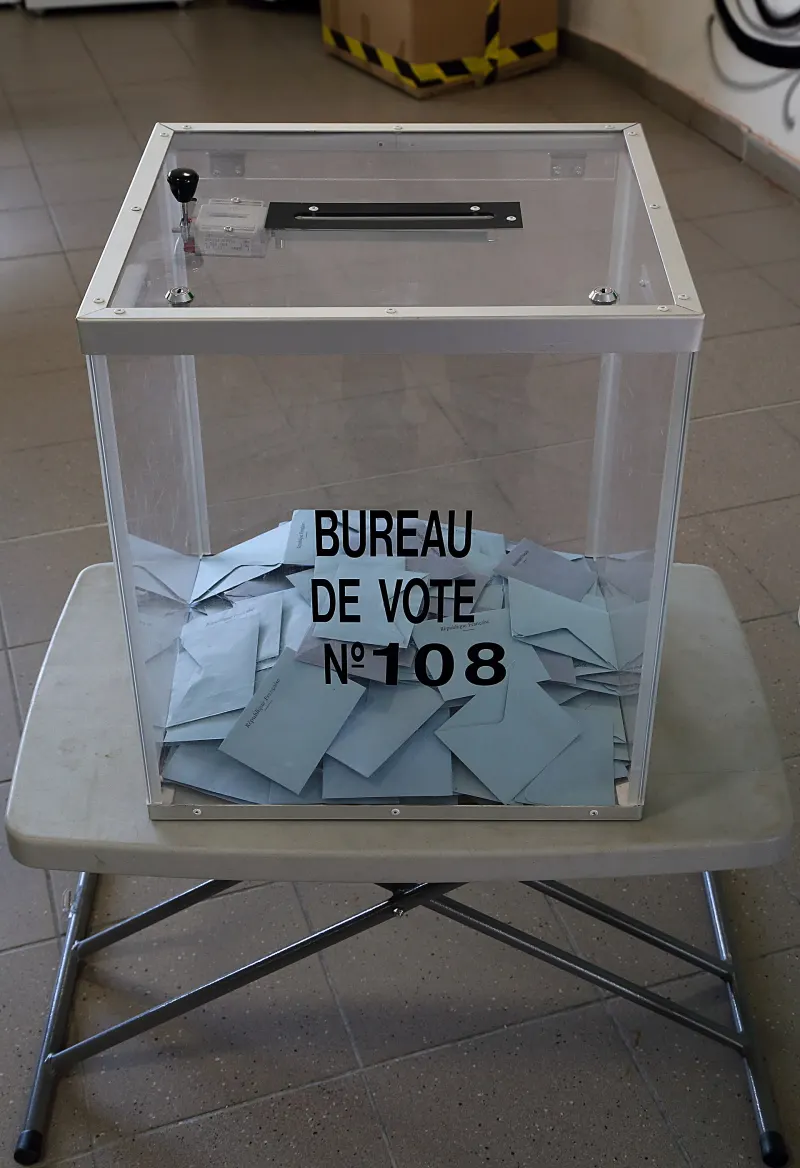
Guinea is entering an unprecedented electoral sequence. After the municipal elections, two further polls are scheduled before the end of the year: regional elections on Sunday 29 November and Senate elections on Sunday 20 December 2026. Their campaign timetables were set by two decrees issued by President Mamadi Doumbouya and made public on 9 November.
Two overlapping campaigns
The regional election campaign opened on Monday 9 November at 11.59pm and will close on Thursday 26 November at the same time, nationwide. The Senate campaign will begin on Friday 20 November at 11.59pm and end on Thursday 17 December. For almost a week, the two campaigns will therefore run in parallel, a situation that will place heavy demands on the electoral administration.
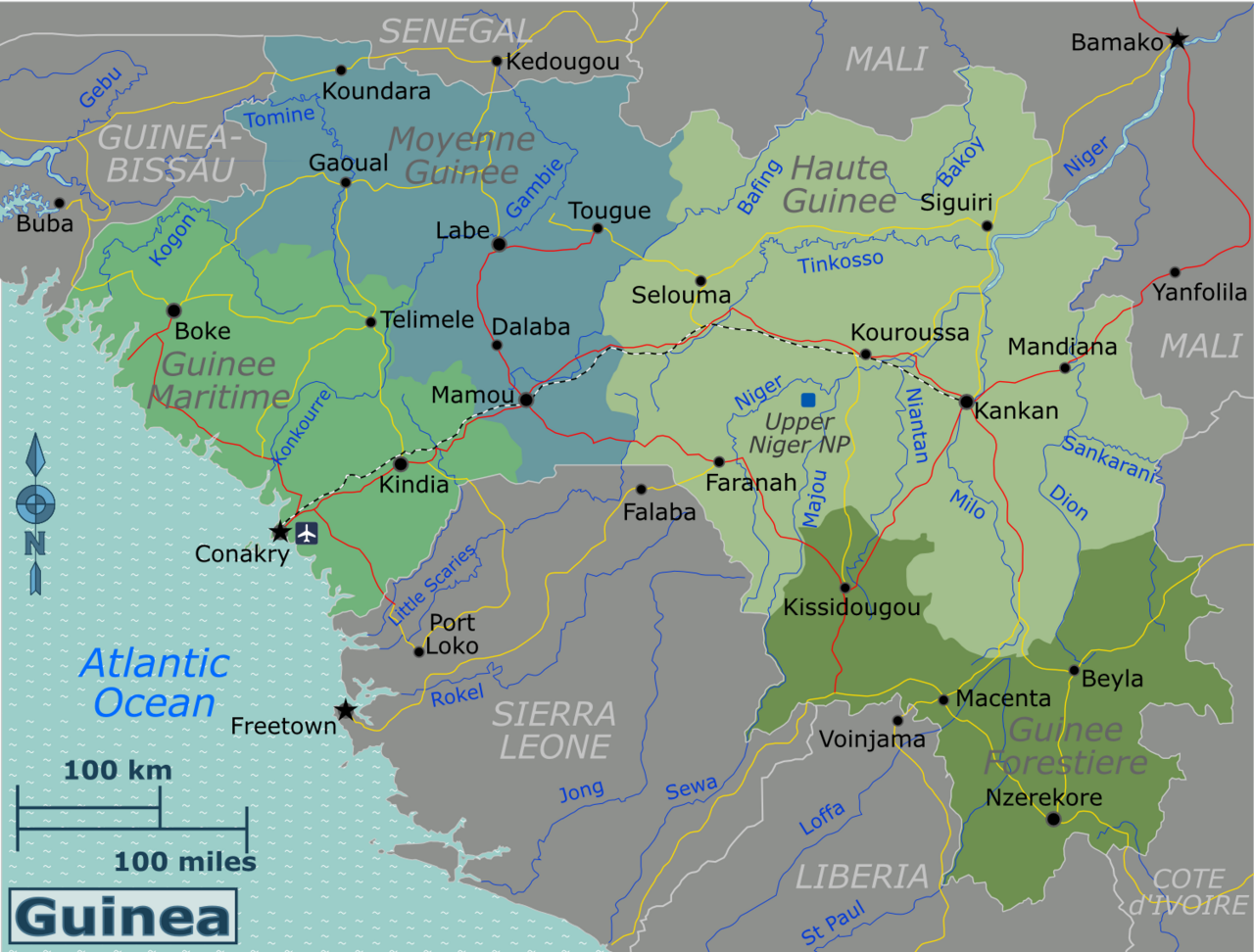
The decree on the Senate elections entrusts its implementation to several government departments, notably the ministries of Territorial Administration and Decentralisation, of Justice and Human Rights, of Security and Civil Protection, and the ministry delegate for National Defence. The campaign must be conducted in accordance with the rules governing political and electoral activities.
A vote reserved for local elected officials
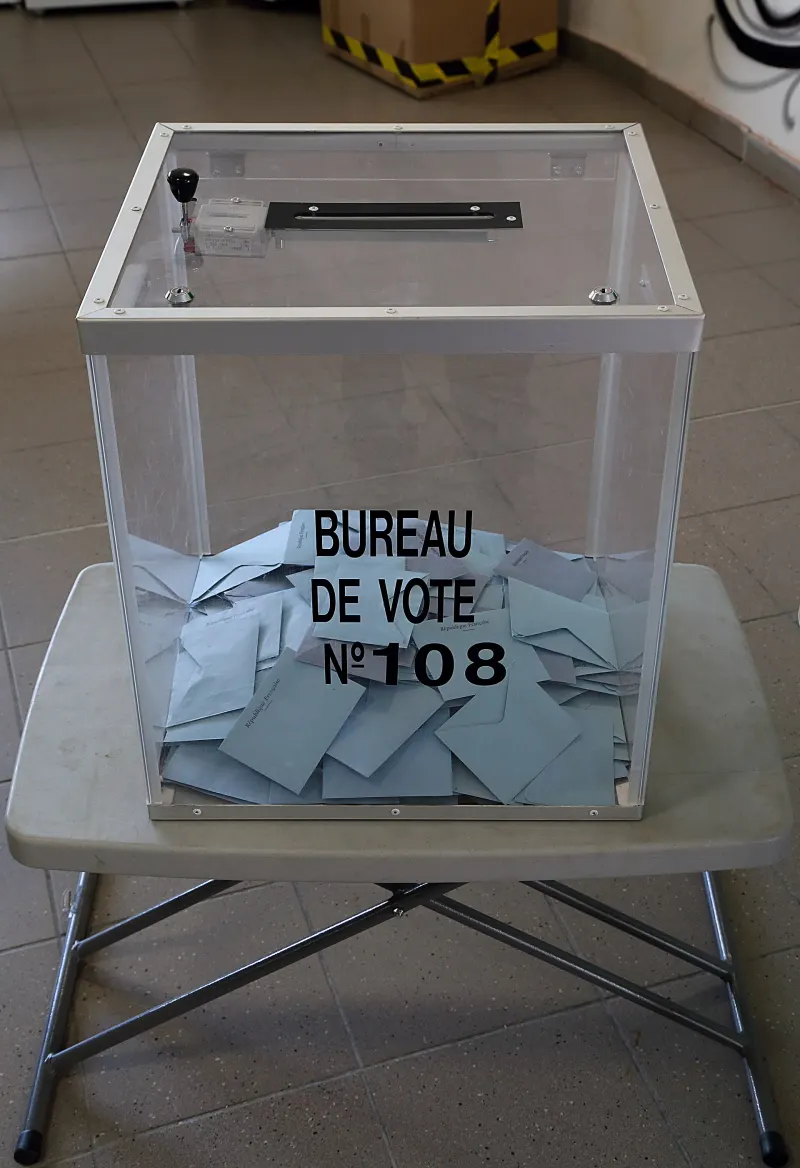
A distinctive feature of both elections is that citizens will not go to the polls. These are indirect elections. For the regional polls, the municipal councillors elected in the municipal elections choose from among themselves their representatives on the regional council, with one or two delegates per commune depending on the size of the municipal council. Senators will in turn be elected by municipal and regional councillors.
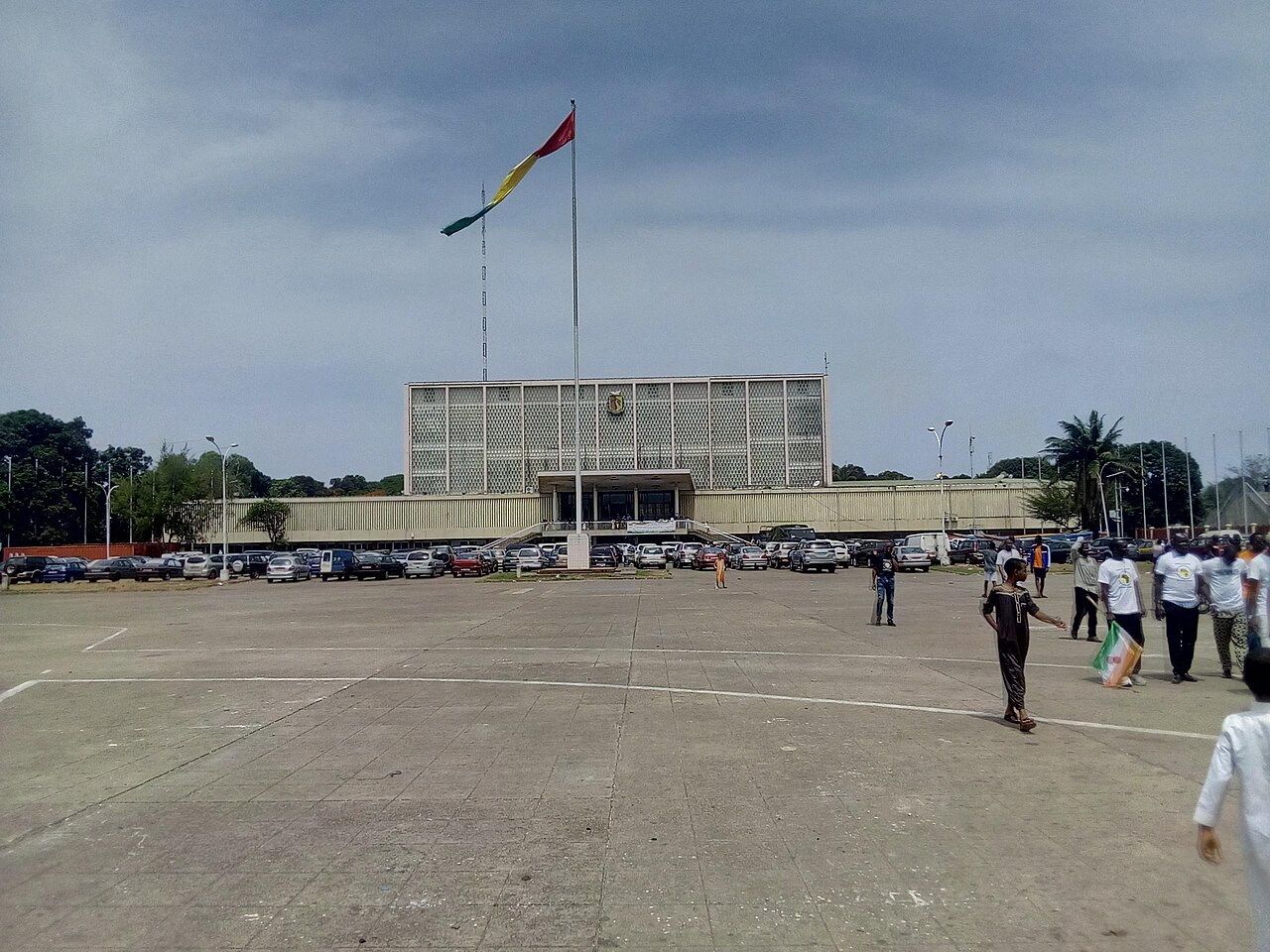
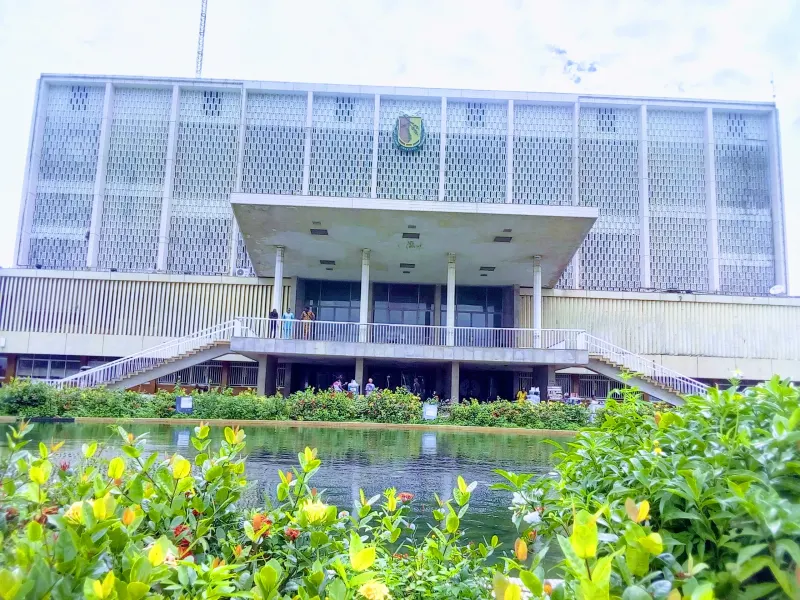
The Senate is a new institution, created by the Constitution adopted by referendum in September 2025. Some of its members are elected, while the others are appointed by the head of state. The 20 December poll concerns only the elected seats. With the installation of this second chamber, the Guinean Parliament will become bicameral, alongside the National Assembly.
A new elections directorate at the helm
The organisation of the polls falls to the Directorate General of Elections (DGE), now headed by Mohamed Ali Condé, who took office this month, replacing Djénabou Touré, who has been appointed to the Ministry of Territorial Administration and Decentralisation.
For its part, the High Authority for Communication (HAC) has announced measures to regulate media coverage of the electoral period. In a decision published on 17 November, it appointed coordinators and supervisors to monitor the Senate campaign in the media. For the regional elections, candidates were summoned as early as 11 November for the drawing of lots to determine their order of appearance in campaign broadcasts.
These two polls are an important step in setting up the institutions provided for by the new Constitution. Their smooth running will be closely watched, as the DGE has already announced that by-elections will be held in 2027 in certain constituencies.
Comments
Loading comments…