

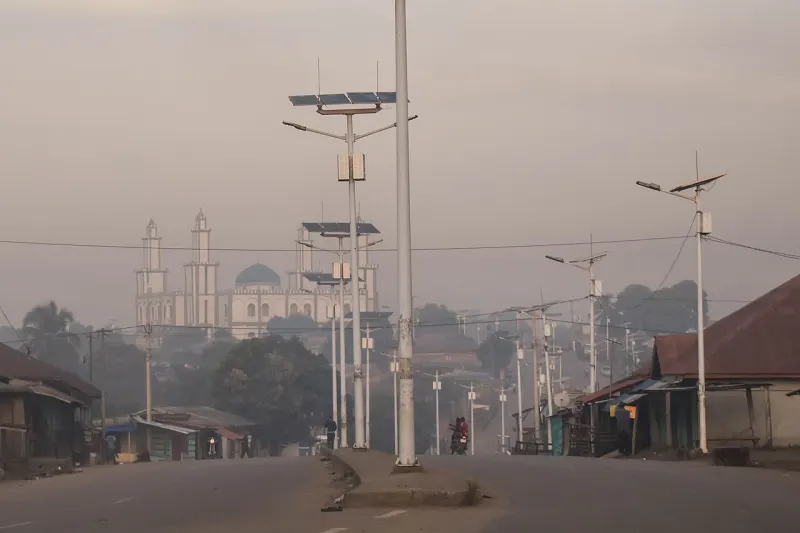
Seventeen people suspected of belonging to a network claiming links to QNet have been arrested in N'Zérékoré, in south-eastern Guinea. They were presented on Thursday 19 November 2026 to the region’s administrative and military authorities at the premises of the city’s mobile gendarmerie intervention squadron (EGMI). At this stage of the investigation, the alleged offences are fraud and human trafficking.
An operation prepared over four days
According to Lieutenant Mamadou Alpha Bah, deputy commander of the N'Zérékoré EGMI, the first information about the group was received four days before the raid. A surveillance operation was then set up to gather evidence on the suspicious activities. The intervention was launched at around 6.05am, simultaneously, at three different sites in the city.
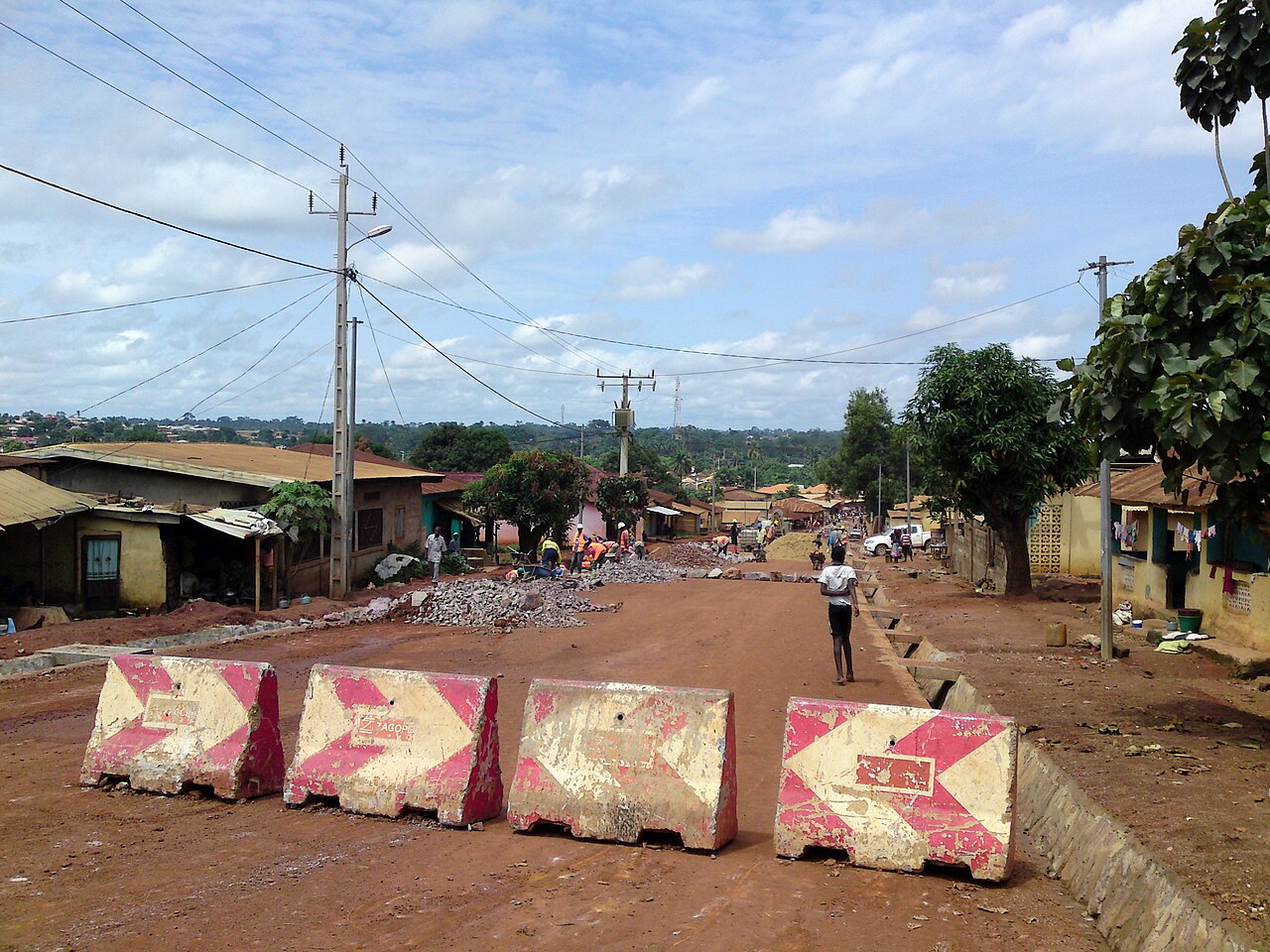
The officer described the lifestyle of those arrested: they lived in small groups in private homes, in rented houses, taking care never to have more than about ten people in the same place so as not to attract attention. According to him, this is the sixth group arrested as part of the fight against this phenomenon in N'Zérékoré. After each arrest, those concerned are questioned before the case is referred to the prosecutor’s office.
Lieutenant Bah urged homeowners and neighbourhood chiefs to be vigilant when letting out accommodation, by checking the identity and activities of the occupants.
Governor pledges further operations
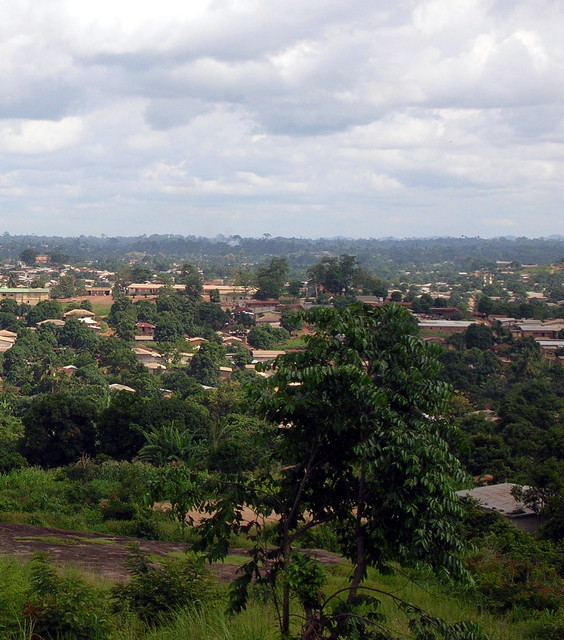
The governor of N'Zérékoré Region, Colonel Moussa Condé, praised the work of the defence and security forces. He noted that the phenomenon was not new in the city, where dozens of people linked to this type of network have been arrested in the past, and said searches were continuing to find other members.
The way these networks are said to operate is well known to the authorities: young people, often from other regions of the country, are lured by the promise of a job or a lucrative business. Once there, they are asked to pay large sums of money, then to recruit other people from their own circle in turn, in a chain-like system. Many end up far from home, with no income and no way of recovering their money.
A “victim” before being arrested
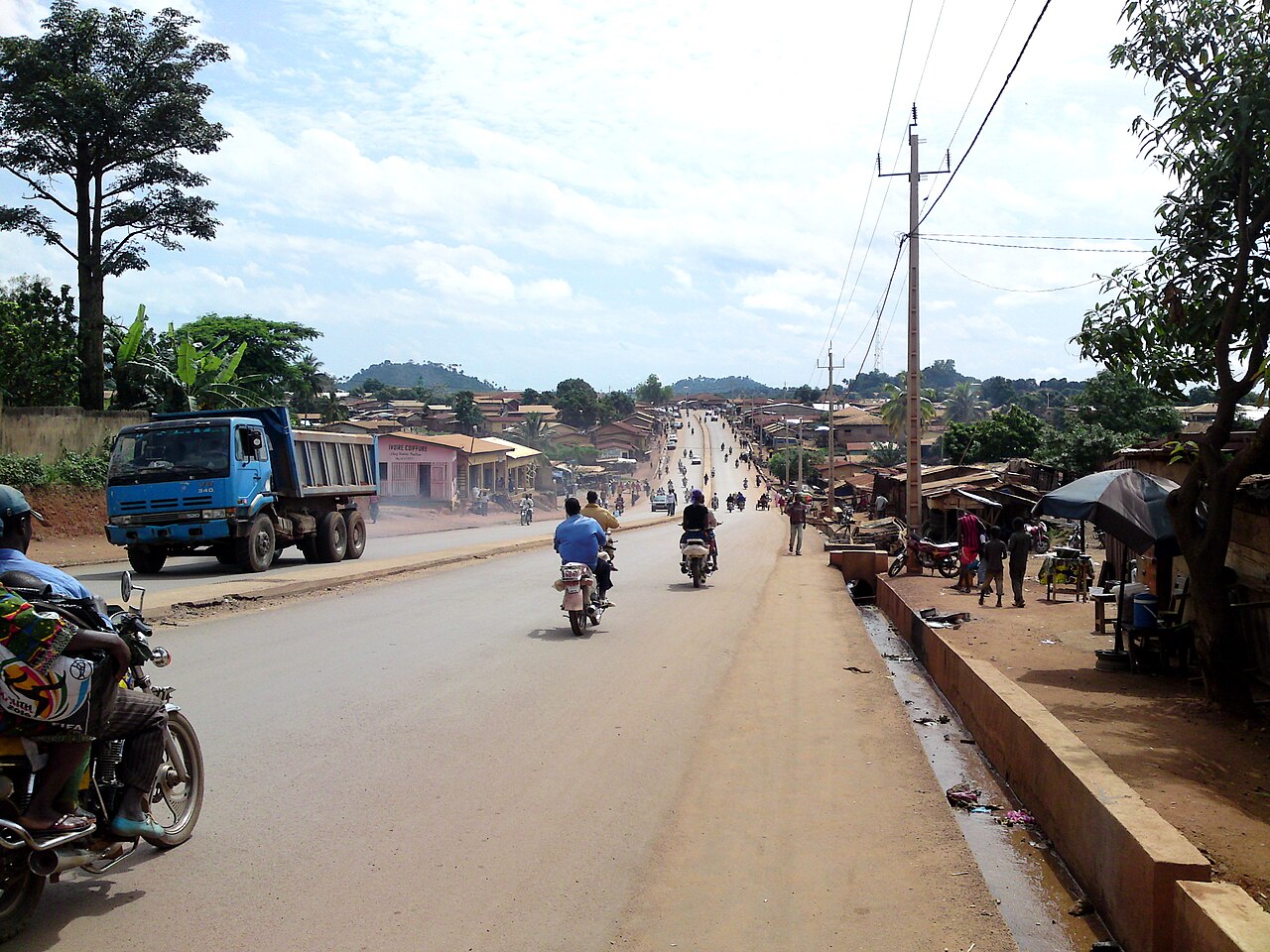
The testimony of one of those arrested illustrates this mechanism. The man says he was brought to N'Zérékoré more than a year ago by a close family friend, on the promise of work, before being left alone in the city. His family reportedly paid 8 million Guinean francs, raised by selling a plot of family land, to secure him the job. He says he has since retrained as a hairdresser in N'Zérékoré, while his relatives are still trying to recover the money paid.
All those arrested remain presumed innocent. According to the gendarmerie, they are due to be brought before the public prosecutor, who will decide what legal action to take in the case.
Regional authorities are urging families to be wary of job offers that seem too good to be true and require payment, and to report any such offer to the security services.


Comments
Loading comments…